7 Everyday Foods That Secretly Attract Pantry Pests
A pantry check can reveal surprises: a tiny beetle in a bag of flour, a moth near the shelves, webbing inside a cereal package, or insects discovered in an older box of rice or pasta.
These moments can happen with everyday dry goods that many households keep on hand. The word “attract” in the headline is a simple way to describe foods that stored-food insects commonly infest.
Pantry pests may arrive in products during storage or transportation before they ever reach your kitchen, so finding them does not mean a pantry was poorly maintained.
Flour and Baking Mixes
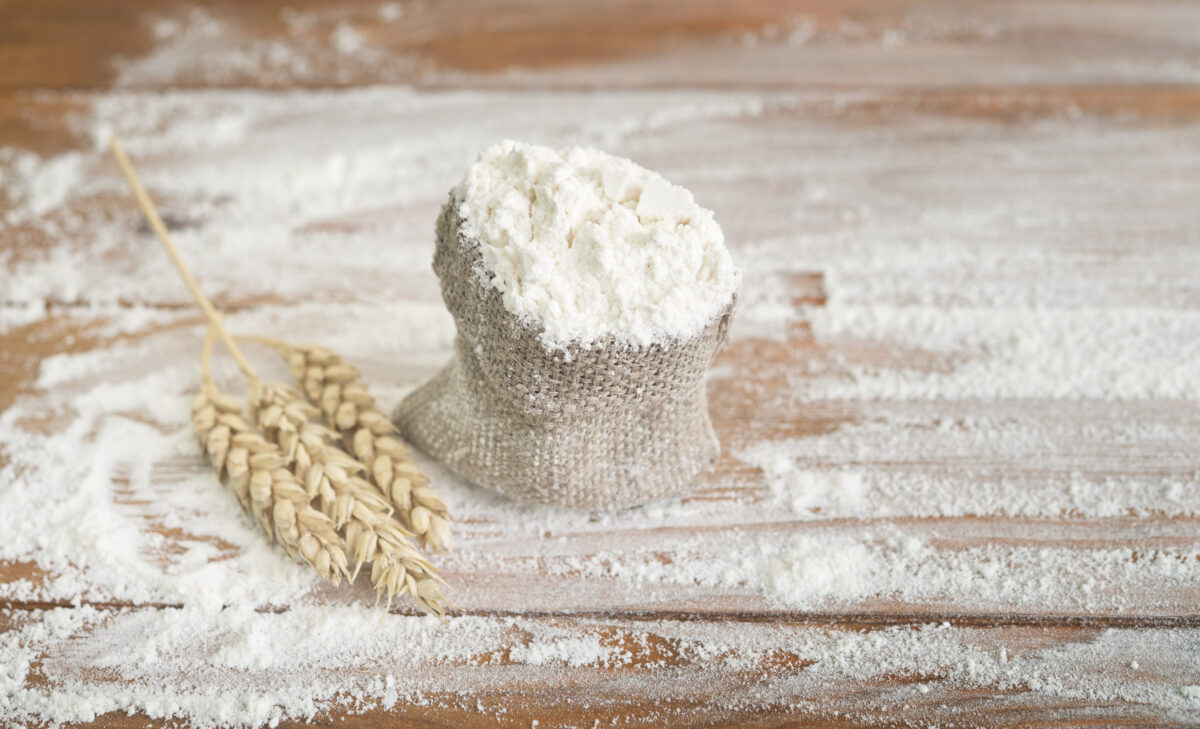
Flour and baking mixes are some of the dry goods worth checking carefully because pantry pests can infest these products during storage. Flour and cake mix are among the cereal products identified as susceptible to pantry pests, and stored-food insects may feed on finely ground or broken starchy materials such as flour and meal.
Because flour often sits in the pantry for long periods, it is a good candidate for regular inspection. Once opened, consider moving flour and baking mixes into tightly closed glass, metal, or heavy-plastic containers. Refrigeration or freezing can also be another storage option for these foods.
Breakfast Cereal
Breakfast cereal is a familiar pantry staple, but its packaging does not always provide permanent protection from stored-food insects. Cereal is among the foods that can become infested, and pantry pests such as Indianmeal moths are commonly associated with cereal and other stored foods.
When checking cereal, look for signs such as insects, larvae, or silk-like webbing. An unexplained moth around the pantry can also be a reason to inspect nearby dry goods. Keeping cereal sealed after opening and checking older boxes can help prevent a forgotten package from becoming a pantry problem.
Rice and Other Dried Grains
Rice is a kitchen essential in many homes, and it is also one of the stored foods that can be susceptible to pantry pests. Rice weevils are associated with stored grains and primarily infest whole grains, including rice. Other dried grains can also belong in the category of foods worth checking.
When bringing home bags of rice or grains, inspect packages before storing them. Rotating older stock forward makes it easier to use items before they sit unnoticed for too long. A tight-fitting container can also help protect these pantry staples once they are stored.
Pasta and Dry Noodles
Pasta may seem like one of the most durable pantry foods, but shelf-stable does not mean impossible for stored-food insects to affect. Spaghetti, macaroni, noodles, and other dry pasta products are among the foods listed in pantry-pest guidance.
Opened packages deserve extra attention, especially if they have been sitting in the cupboard for a while. Transferring pasta into a pest-resistant container can make it easier to check and store. A quick look before cooking can also help catch any signs of infestation early.
Nuts and Seeds
Nuts and seeds are another group of dry goods that belong on a pantry inspection list. Extension guidance identifies nuts and seeds as foods that can be susceptible to pantry pests, including insects that commonly infest stored dry products.
These ingredients are often used occasionally rather than daily, which means older packages can be easy to overlook. Keep nuts and seeds sealed, rotate stock so older items are used first, and take a closer look at packages that have been stored for a long time.
Dried Fruit
Dried fruit has a different storage profile from fresh produce, and this article focuses on shelf-stable foods such as raisins and other dried fruits. These products are among the pantry items that stored-food insects can infest, and larvae may be found in dried fruit as well as other dry goods.
Inspect packages before use, paying attention to folds and seams where signs of infestation may be noticed. If webbing or larvae appear, nearby pantry items should also be checked. Keeping dried fruit properly sealed can help keep it in good condition while stored.
Dried Beans and Peas
Dried beans and peas are pantry favorites that can last a long time, but long storage can also make forgotten packages worth checking. Dried beans, peas, and other stored legumes are included among foods that can be vulnerable to stored-product pests.
Keeping these foods in sealed containers and rotating older packages forward are simple ways to manage pantry storage. If a package is clearly infested, it should be discarded rather than kept in the pantry. Regular checks make it easier to notice problems before they spread to nearby dry goods.
A well-managed pantry is less about avoiding certain foods and more about storing them thoughtfully. Inspect dry goods, use older items first, and keep susceptible foods sealed in proper containers. A few simple habits can make everyday pantry staples easier to monitor and enjoy.