The Adverse Effects of a Vegan Diet and Understanding the Potential Risks
The rise of plant-based diets, including veganism, has garnered much attention in recent years. With growing concerns about environmental sustainability, animal rights, and personal health, many people have shifted toward plant-based eating.
However, while a vegan diet offers numerous health benefits, it is not without its risks. It’s crucial to recognize that going vegan requires careful planning to avoid nutritional deficiencies, unbalanced eating habits, and other health-related issues that can arise from eliminating animal products. In this article, we explore the potential adverse effects of a vegan diet and the importance of mindful dietary choices.
Nutritional Deficiencies

One of the most significant risks of a poorly planned vegan diet is the potential for nutritional deficiencies.
Animal products are rich sources of essential nutrients, including vitamin B12, iron, calcium, omega-3 fatty acids, and protein. Without these vital nutrients, vegans may face several health issues.
Vitamin B12 Deficiency
Vitamin B12, or cobalamin, is crucial for the proper functioning of the brain and nervous system. It is found naturally in animal products, such as meat, dairy, and eggs. Vegans, however, are at risk of not getting enough B12 from plant-based sources.
A deficiency can lead to fatigue, anemia, nerve damage, and even cognitive decline. While fortified foods like plant-based milks and cereals provide some B12, it’s essential for vegans to consider supplementation to meet daily requirements.
Iron Absorption Issues

Iron is another nutrient that vegans may struggle to get in adequate amounts. While plant-based foods like spinach, lentils, and tofu contain iron, the body absorbs non-heme iron from plants less efficiently than heme iron from animal products. Iron deficiency can lead to anemia, which can cause symptoms such as weakness, dizziness, and a weakened immune system.
To optimize iron absorption, vegans should pair iron-rich foods with vitamin C sources, which enhance the absorption of non-heme iron.
Calcium and Bone Health
Calcium is vital for strong bones and teeth, and it’s traditionally obtained from dairy products. For vegans, finding alternative sources of calcium is crucial.
While some plant-based foods, such as fortified plant milks and leafy greens, provide calcium, they may not be enough to support optimal bone health in the long term. Inadequate calcium intake can increase the risk of bone fractures, particularly for older adults. Supplementation with calcium or careful planning of plant-based calcium sources is necessary for vegans to maintain bone density.
Omega-3 Fatty Acids and Heart Health
Omega-3 fatty acids, which are important for heart health, brain function, and reducing inflammation, are predominantly found in fatty fish.
Although plant-based sources of omega-3s, such as flaxseeds, chia seeds, and walnuts, exist, they primarily contain ALA (alpha-linolenic acid), a less effective form of omega-3 than the EPA and DHA found in fish. Vegans may need to consume higher amounts of ALA or consider algae-based omega-3 supplements to ensure they receive adequate amounts of these essential fatty acids.
Protein Deficiency
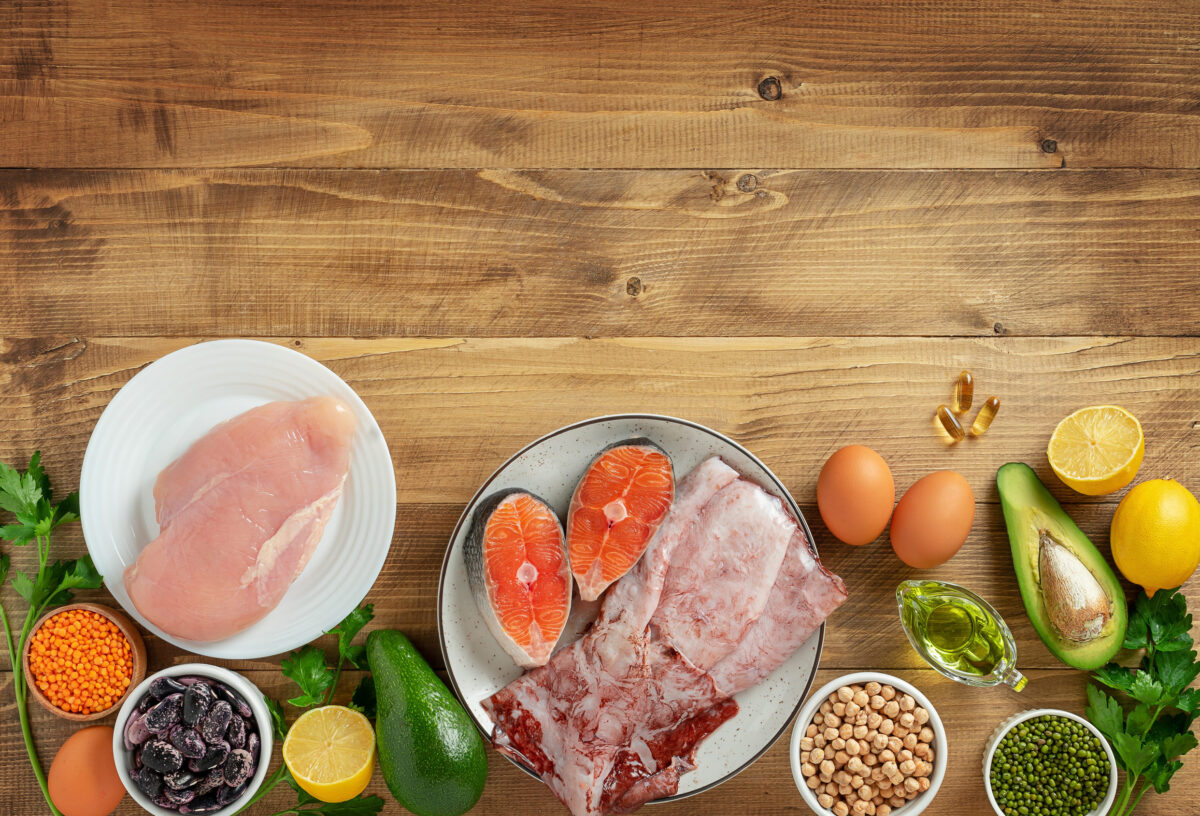
Protein is an essential macronutrient that plays a crucial role in muscle repair, immune function, and enzyme production. Contrary to popular belief, vegans can obtain sufficient protein from plant-based sources such as beans, lentils, quinoa, tofu, tempeh, and seitan. However, the risk of protein deficiency still exists, especially for those who do not consume a diverse range of protein-rich foods.
The challenge with a vegan diet is ensuring that all the essential amino acids,the building blocks of protein, are consumed. Animal products contain complete proteins, meaning they contain all nine essential amino acids. While many plant-based proteins are incomplete (lacking one or more essential amino acids), combining different plant-based protein sources, such as rice and beans, ensures that vegans consume all the necessary amino acids for muscle repair and overall health.
For vegans who struggle to maintain a balanced protein intake, it’s important to focus on variety. A diverse diet that includes legumes, grains, nuts, and seeds can easily meet protein needs when carefully planned.
Mental and Emotional Well-Being
In addition to the physical challenges, a vegan diet can have psychological and social implications. While veganism can be empowering for some individuals, it may create a sense of isolation for others, particularly in social situations or cultures where animal-based foods are the norm. Dining out, attending family gatherings, or socializing with friends can become stressful for those who follow a vegan diet, as they may feel excluded or forced to explain their dietary choices.
Moreover, a restrictive vegan diet can lead to disordered eating habits if individuals become overly fixated on food choices or feel the need to constantly scrutinize what they eat. This can contribute to feelings of guilt or anxiety around food, making it more difficult to maintain a healthy relationship with eating. As with any diet, it’s important for vegans to find balance and not let food choices become all-consuming.
Increased Risk of Eating Disorders
For some individuals, the adoption of a vegan diet may be linked to restrictive eating behaviors that can escalate into eating disorders like orthorexia, which involves an unhealthy obsession with eating foods that are considered “pure” or “healthy.”
While veganism itself is not the cause of such disorders, the rigid nature of eliminating entire food groups may contribute to disordered eating patterns. It’s important for those considering veganism to ensure that their food choices are motivated by health, ethical, or environmental reasons, not to control or restrict their eating habits.
Potential for Unbalanced Eating
Another adverse effect of a vegan diet is the potential for an unbalanced eating pattern that relies too heavily on processed vegan foods. Many vegan-friendly products, such as mock meats, dairy alternatives, and packaged snacks, can be highly processed and lacking in essential nutrients. Consuming a diet rich in these foods may lead to deficiencies in fiber, vitamins, and minerals, while also contributing to unhealthy weight gain.
It’s important for vegans to focus on whole plant foods, including fruits, vegetables, whole grains, legumes, nuts, and seeds, rather than relying too heavily on processed alternatives. Maintaining a balanced, nutrient-dense diet is essential to avoiding the adverse effects of excessive reliance on processed foods.
The Impact on Digestive Health
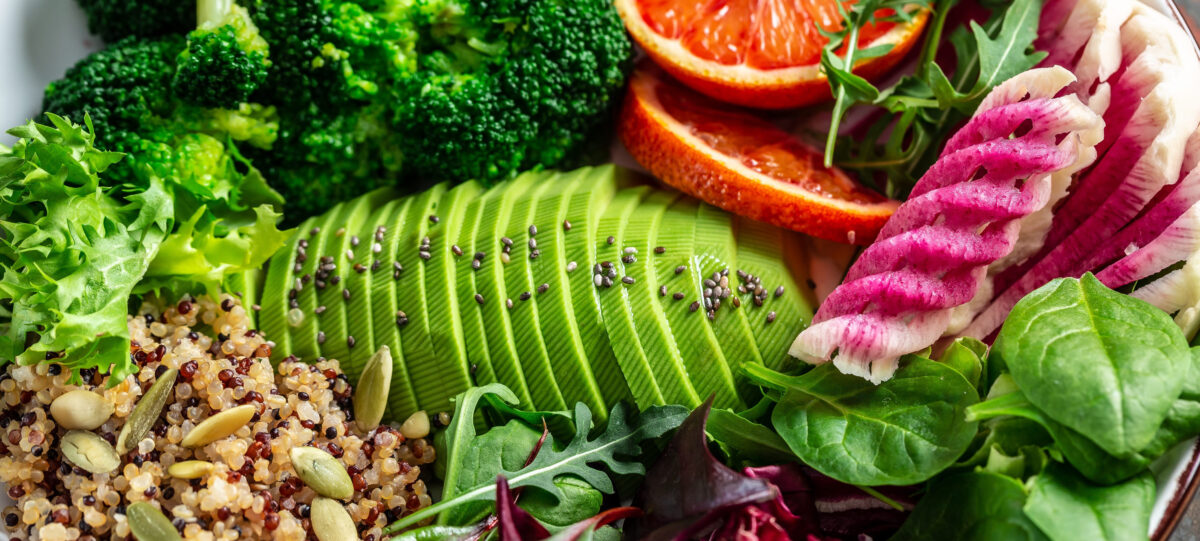
A vegan diet, especially one rich in fiber, can benefit digestive health. However, for some individuals, a sudden increase in fiber intake can lead to digestive discomfort, including bloating, gas, and diarrhea. These symptoms can be exacerbated if a person’s body isn’t accustomed to high-fiber foods. It’s important for vegans to introduce fiber-rich foods gradually and drink plenty of water to avoid digestive issues.
Additionally, some vegans may experience gut microbiome issues due to the absence of certain nutrients found in animal products. Research on the vegan microbiome is ongoing, but some studies suggest that a lack of gut microbiota diversity may affect gut health, immune function, and overall well-being.
Conclusion
While a vegan diet can offer numerous health benefits, it’s important to recognize that, like any dietary choice, it requires careful planning and balance to avoid adverse effects. Nutrient deficiencies, protein imbalance, and digestive issues can arise if veganism is not approached with mindfulness and knowledge. Furthermore, the psychological and social challenges of a vegan diet should not be overlooked.
For those considering adopting a vegan lifestyle, it’s crucial to educate oneself about potential nutrient gaps and ensure a varied, nutrient-dense diet that includes fortified foods or supplements where necessary. Regular check-ups with a healthcare professional and working with a dietitian can help vegans maintain optimal health while avoiding the adverse effects of inadequate nutrition.
In conclusion, veganism can be a healthy and ethical choice, but like any diet, it requires balance and attention to detail to ensure long-term health and well-being. A thoughtful, well-planned vegan diet can provide all the nutrients your body needs to thrive, but neglecting nutritional balance can lead to unnecessary risks.