10 Foods You’re Not Eating That Could Be Secretly Causing Dehydration
Most people reach for a glass of water when they feel thirsty, but what if your hydration could come from your meals and snacks, too? The truth is, some of the most powerful hydration sources don’t come from bottles or taps, but from everyday foods packed with natural water, vitamins, and minerals.
These foods don’t just help you stay hydrated; they also nourish your body, support digestion, improve skin health, and boost overall wellness in ways plain water alone cannot. In this article, we explore the best hydrating foods you can easily add to your diet.
Watermelon
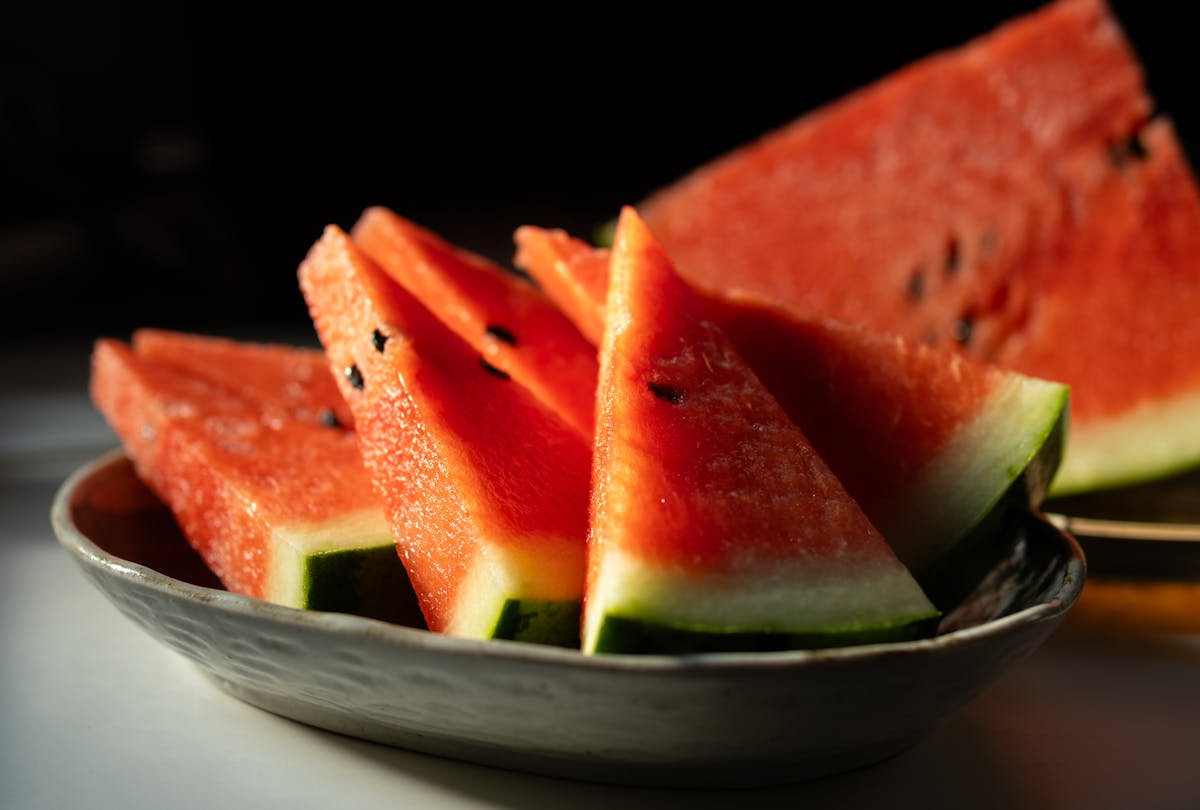
Watermelon is the undisputed champion of hydration. With a water content of over 90%, it is the perfect fruit to keep you refreshed. Watermelon is packed with vitamins A and C, both of which support healthy skin and immune function. Its high water content makes it an excellent snack for hot summer days, and it is also a great way to replenish fluids after exercise.
Additionally, watermelon is rich in antioxidants, particularly lycopene, which has been shown to reduce the risk of chronic diseases like cancer and heart disease. This juicy fruit can be enjoyed as a refreshing snack, in smoothies, or as a hydrating addition to salads.
Cucumbers
Cucumbers are another fantastic hydrating food, boasting a water content of about 96%. This vegetable not only helps hydrate the body but also provides a dose of essential vitamins and minerals, including vitamin K, potassium, and magnesium. Cucumbers are low in calories, making them a great choice for those looking to maintain or lose weight while staying hydrated.
Due to their high water content, cucumbers can help regulate body temperature and promote healthy digestion. The fiber in cucumbers also supports a healthy gut by encouraging regular bowel movements and preventing constipation.
Strawberries

Strawberries, with their water content of around 91%, offer a delicious and hydrating snack. These bright red berries are loaded with vitamin C, which supports immune function and helps with skin regeneration. Strawberries are also rich in antioxidants, including anthocyanins, which help protect the body from oxidative stress and reduce inflammation.
Strawberries are versatile and can be added to a wide variety of dishes, including smoothies, salads, and desserts. Not only do they help keep you hydrated, but they also provide a sweet flavor that satisfies sugar cravings in a healthy way.
Celery
Celery has a water content of about 95%, making it an excellent choice for hydration. In addition to keeping you hydrated, celery is low in calories and high in fiber, which helps promote satiety and supports digestion. The vegetable also contains vitamins A, K, and C, as well as potassium, which plays a crucial role in maintaining fluid balance in the body.
Celery can be eaten raw as a snack, added to salads, or blended into smoothies. It’s also a great addition to soups and stews, where it can enhance flavor while providing hydration.
Cantaloupe
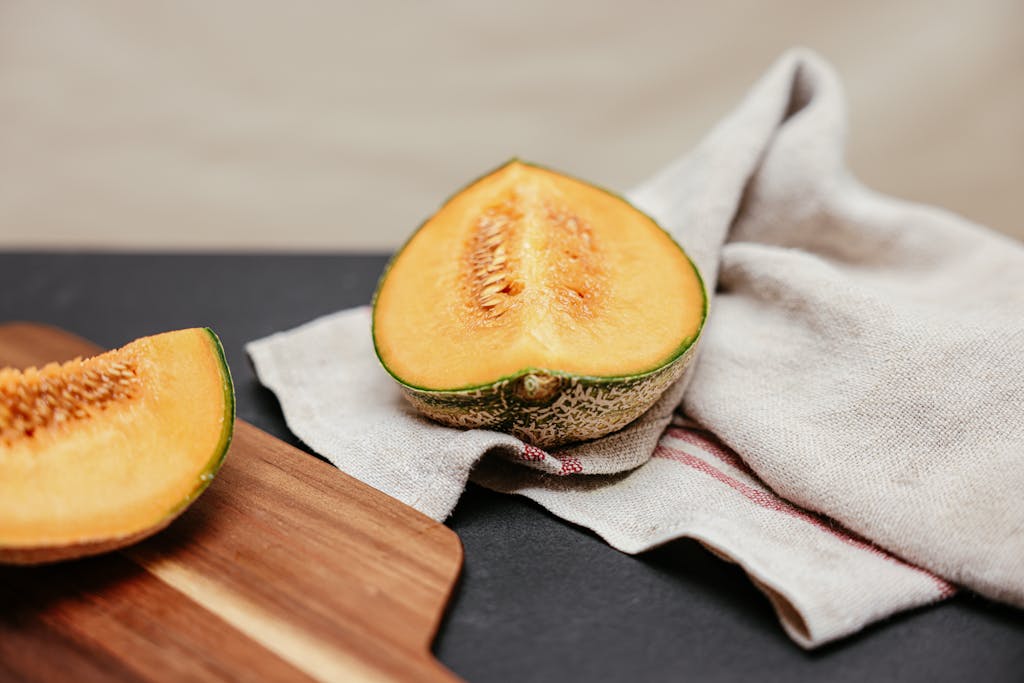
Cantaloupe, or muskmelon, is another melon with high water content, around 90%. It’s not only hydrating but also rich in vitamins A and C, which support healthy skin and immune function. The natural sugars in cantaloupe provide a quick source of energy, making it a great option for rehydration after physical activity.
In addition to water, cantaloupe contains beta-carotene, an antioxidant that may help reduce the risk of chronic diseases like heart disease and cancer. It’s easy to incorporate into your diet, whether you enjoy it fresh, in fruit salads, or blended into smoothies.
Tomatoes
Tomatoes, with their water content of about 95%, are another hydrating food that is also rich in nutrients. Along with their high water content, tomatoes are an excellent source of lycopene, an antioxidant linked to a reduced risk of various cancers, including prostate cancer. Tomatoes also provide vitamins A, C, and K, which support skin health, immune function, and bone health.
Tomatoes can be enjoyed in various ways, including in salads, sandwiches, and as a topping for dishes like pasta and pizza. You can also enjoy them in soups and stews, adding both flavor and hydration.
Pineapple
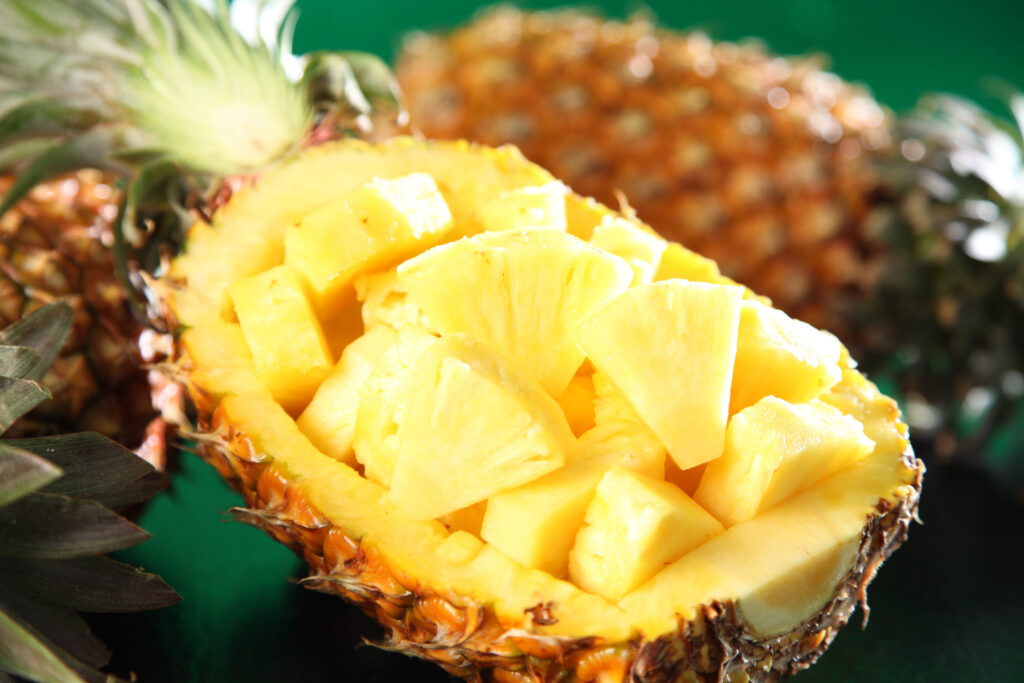
Pineapple is a tropical fruit that offers both hydration and a burst of flavor. With a water content of about 86%, it helps keep your body hydrated while providing an array of health benefits. Pineapple is rich in vitamin C, which boosts the immune system and supports skin health. It also contains bromelain, an enzyme that aids digestion and may help reduce inflammation.
Pineapple can be eaten fresh, grilled, or added to smoothies, salads, and salsas. It’s also a great addition to tropical fruit salads, providing a sweet, hydrating element to your meal.
Peaches
Peaches are not only a tasty treat but also a great source of hydration, containing about 89% water. In addition to keeping you hydrated, peaches are rich in vitamins A and C, both of which play a crucial role in skin health and immune function. Peaches also provide a decent amount of fiber, which supports digestive health.
Peaches are versatile and can be eaten fresh, added to smoothies, or incorporated into desserts. They also pair well with other hydrating foods, such as strawberries or watermelon, for a refreshing fruit salad.
Oranges

Oranges are well known for their high vitamin C content, but they are also a great source of hydration. With a water content of about 86%, oranges help replenish fluids while providing a healthy dose of nutrients. In addition to vitamin C, oranges contain antioxidants, such as flavonoids, which help protect against oxidative stress and inflammation.
Oranges are incredibly versatile and can be enjoyed fresh, juiced, or added to salads. They are also an excellent addition to smoothies, where their bright citrus flavor enhances the taste and adds hydration.
Grapefruit
Grapefruit is another citrus fruit that offers both hydration and numerous health benefits. With a water content of approximately 88%, grapefruit helps keep you hydrated while also providing vitamins A and C, both of which support skin health and immune function. The antioxidants in grapefruit, such as lycopene and flavonoids, may also help reduce inflammation and promote heart health.
Grapefruit can be eaten fresh, added to fruit salads, or enjoyed as a refreshing juice. It’s also a great addition to smoothies, where its tangy flavor pairs well with other hydrating fruits like watermelon and strawberries.
Conclusion
Staying hydrated doesn’t have to be limited to drinking water alone. By incorporating water-rich fruits and vegetables like watermelon, cucumbers, oranges, and celery into your daily diet, you can naturally support your body’s hydration levels while also fueling it with essential nutrients.
These foods do more than quench thirst; they help regulate body temperature, support digestion, improve skin health, and boost overall energy. The best part is that they are easy to find, delicious to eat, and versatile enough to fit into any meal or snack.