10 Common Food Myths You Should Stop Believing
When it comes to food, myths, rumors, and misleading claims abound. From bizarre health warnings to exaggerated health risks, it’s easy to get confused about what’s really good or bad for you. Many of these myths have circulated so widely that they’ve become deeply ingrained in popular culture. But today, we’re here to debunk ten of the most ridiculous food myths, clearing up the confusion so you can make better choices at the dinner table.
Eating Junk Food in Moderation is Fine

We’ve all heard the phrase “everything in moderation,” but can we really eat junk food and get away with it? While the occasional indulgence won’t likely do much harm, a steady diet of processed foods, sugar, and unhealthy fats is detrimental to your health. Chronic consumption of these foods is linked to various diseases, including heart disease, diabetes, and obesity. Moderation is important, but prioritizing whole, nutritious foods is essential for long-term health.
Twinkies Last Forever
The idea that Twinkies can survive a nuclear apocalypse has become an enduring food myth. However, despite their long shelf life, Twinkies do not last forever. They typically have a shelf life of around 45 days, which is not an absurdly long time by any means. The myth started when a teacher allegedly kept a Twinkie for years without it decomposing.
While that might be impressive, it’s not a reflection of the snack’s edibility, but rather an artifact of preserving bread-like foods in dry conditions.
Vodka Contains Antifreeze

Some brands have advertised that their vodka is superior because it doesn’t contain propylene glycol, a substance used in antifreeze. While propylene glycol is indeed used in some antifreeze formulations, it’s also commonly used in food products due to its low toxicity. It’s perfectly safe for human consumption in the quantities found in vodka, and the claims that it is a danger to your health are misleading. The real issue with antifreeze toxicity lies in ethylene glycol, which is harmful to humans, not propylene glycol.
Figs Contain Dead Wasps
It’s one of those food urban legends that sounds shocking: figs contain dead wasps. The myth comes from the fact that some fig species rely on wasps for pollination. However, contrary to what some fear-mongering websites suggest, when a fig is pollinated, any wasp involved is digested by the fruit’s enzymes.
The crunchy bits in a fig are actually seeds, not insect remains. Most commercially available figs are self-pollinating, meaning no wasps are involved in their production. So, unless you’re eating wild figs, there’s no need to worry.
Charred Meat Causes Cancer

There’s a persistent rumor that eating charred meat can increase your cancer risk, thanks to substances like heterocyclic amines (HCAs) and polycyclic aromatic hydrocarbons (PAHs) formed during grilling. While these compounds are linked to cancer in rodents when consumed in large doses, studies on humans remain inconclusive.
While some studies found a slight connection, the overall evidence is not convincing. In fact, there’s no direct link between eating grilled meat and developing cancer. So go ahead and enjoy that barbecue, just don’t overdo it.
Grape Stomping is Common
Grape stomping, where people squish grapes with their feet to make wine, sounds like an ancient and charming practice. However, it’s not nearly as common as some might think. Most modern wineries use mechanical methods for crushing grapes, making the idea of people stomping on them outdated and rare. While some traditionalists may still use the technique for special wines, it’s more of a novelty than a standard practice in the winemaking industry today.
Apple Seeds Are Poisonous
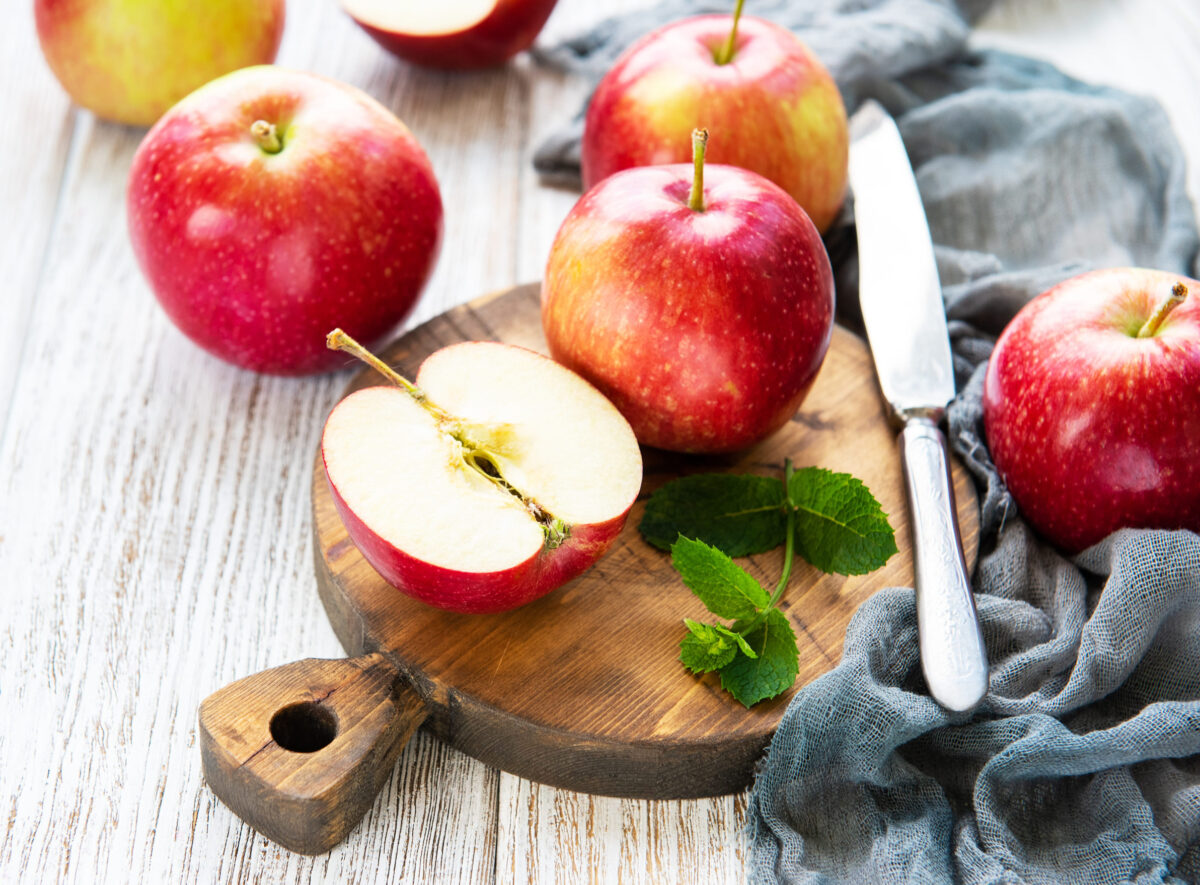
Apple seeds do contain cyanide, a toxin, but the amount is so minimal that it’s almost impossible to suffer harm from a few seeds. You would need to consume thousands of seeds at once to reach a dangerous level of cyanide intake. Eating an apple a day and swallowing a few seeds is entirely safe. While it’s always a good idea to avoid excessive consumption of seeds or pits, the fear of poisoning from apple cores is vastly exaggerated.
Castoreum
One of the most cringe-worthy myths about food additives is the claim that castoreum, a substance used to enhance flavors in some vanilla and strawberry products, comes from beaver anal glands. While technically true, the use of castoreum in food is extremely rare. The extraction process is labor-intensive and costly, meaning it’s mostly found in perfumes rather than food. The FDA has confirmed that castoreum is safe in food, but it’s not something you’ll find in your average vanilla-flavored ice cream.
MSG Sensitivity is Real
For decades, the idea that monosodium glutamate (MSG) causes adverse effects like headaches and sweating, particularly in Chinese food, has been a widespread myth. However, numerous studies have debunked this claim. The term “Chinese Restaurant Syndrome” is rooted in xenophobia and has been discredited by scientific research. In reality, there is no evidence linking MSG consumption with adverse effects in healthy individuals.
The FDA classifies MSG as safe, and the amount used in food is far below the levels used in discredited studies.
Licorice Can Kill You
You’ve probably heard that eating too much licorice can cause dangerous health problems due to glycyrrhizin, a compound that can affect your potassium levels and cause heart issues. While it’s true that excessive consumption of licorice root extract over time can be dangerous, most of the licorice candies you eat don’t contain any licorice root. Instead, they’re flavored with anise or other substances, which means the risk is minimal. Still, moderation is key if you enjoy real licorice candy.
Conclusion
The internet is rife with misinformation, particularly when it comes to food and drink. By debunking these common myths, we can finally put an end to unnecessary food-related fears. While it’s always a good idea to remain cautious about what you consume, it’s essential to base your decisions on evidence rather than rumors. Next time you hear a food myth, take a moment to look for reliable information before believing it.