10 Toxic Foods That Are Secretly Destroying Your Gut
Your gut is home to trillions of bacteria, each playing a crucial role in digestion, immunity, and overall health. But the foods you eat can either nurture or harm this delicate system. Unfortunately, many of the foods we consume regularly may be silently wreaking havoc on our gut health.
Some of these foods seem harmless, but their long-term effects can lead to serious digestive issues, inflammation, and imbalances in your gut flora. In this article, we’ll explore 10 common foods that are secretly destroying your gut and what you can do to protect it.
Processed Meats
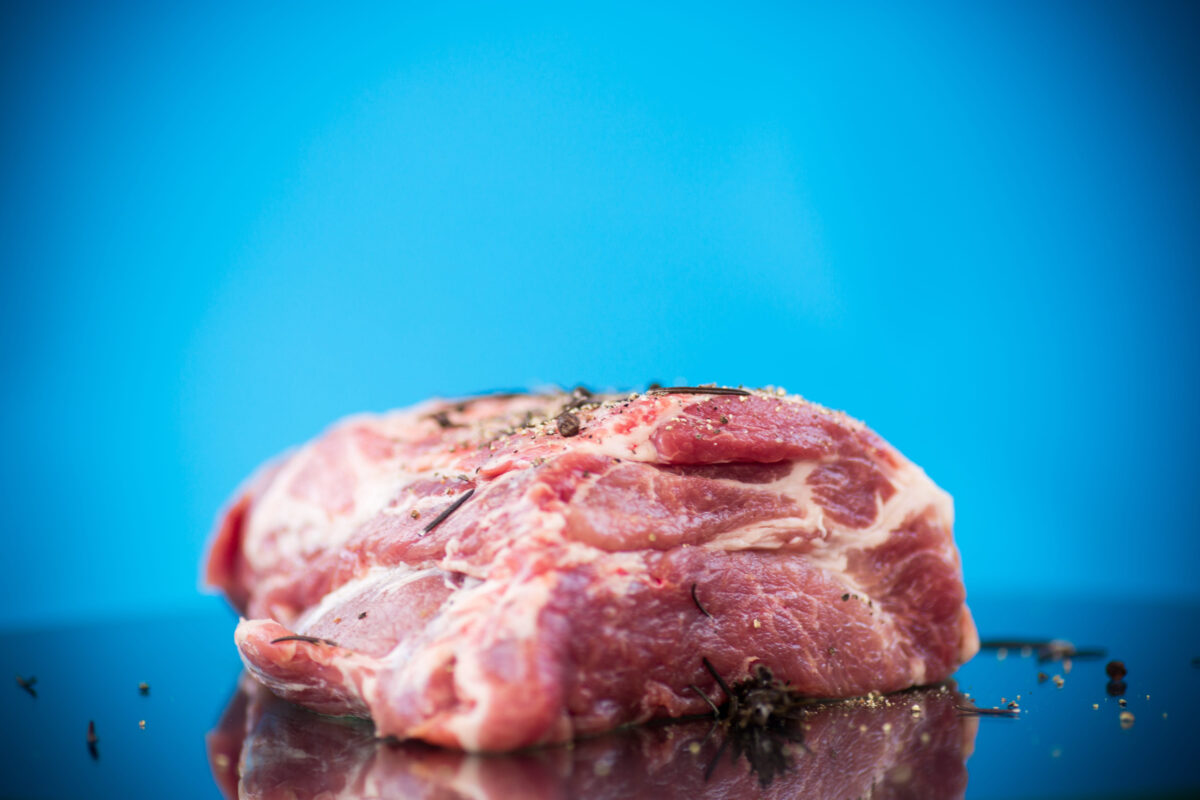
Processed meats, such as bacon, sausages, and hot dogs, may seem like convenient meal options, but they are loaded with preservatives and unhealthy fats that can disrupt gut health. These meats are often high in nitrates and nitrites, which are used to preserve them and enhance flavor.
However, these chemicals can interfere with the natural balance of your gut microbiota, leading to an imbalance that can trigger inflammation and worsen digestive problems. Additionally, processed meats are often high in fat, which can slow down digestion and contribute to gut-related issues such as bloating and constipation.
What to do instead: Opt for fresh, lean cuts of meat, or try plant-based protein sources like beans, lentils, and quinoa to support healthy digestion.
Artificial Sweeteners
Many sugar-free foods and drinks contain artificial sweeteners like aspartame, sucralose, and saccharin. While these sweeteners may be calorie-free, they can have a devastating impact on gut health. Studies have shown that artificial sweeteners can alter the composition of gut bacteria, increasing the population of harmful microbes and decreasing the number of beneficial ones.
This imbalance can lead to digestive issues, including bloating, gas, and even an increased risk of developing metabolic disorders like obesity and diabetes.
What to do instead: Choose natural sweeteners like honey, maple syrup, or stevia in moderation to satisfy your sweet tooth without harming your gut.
Dairy Products
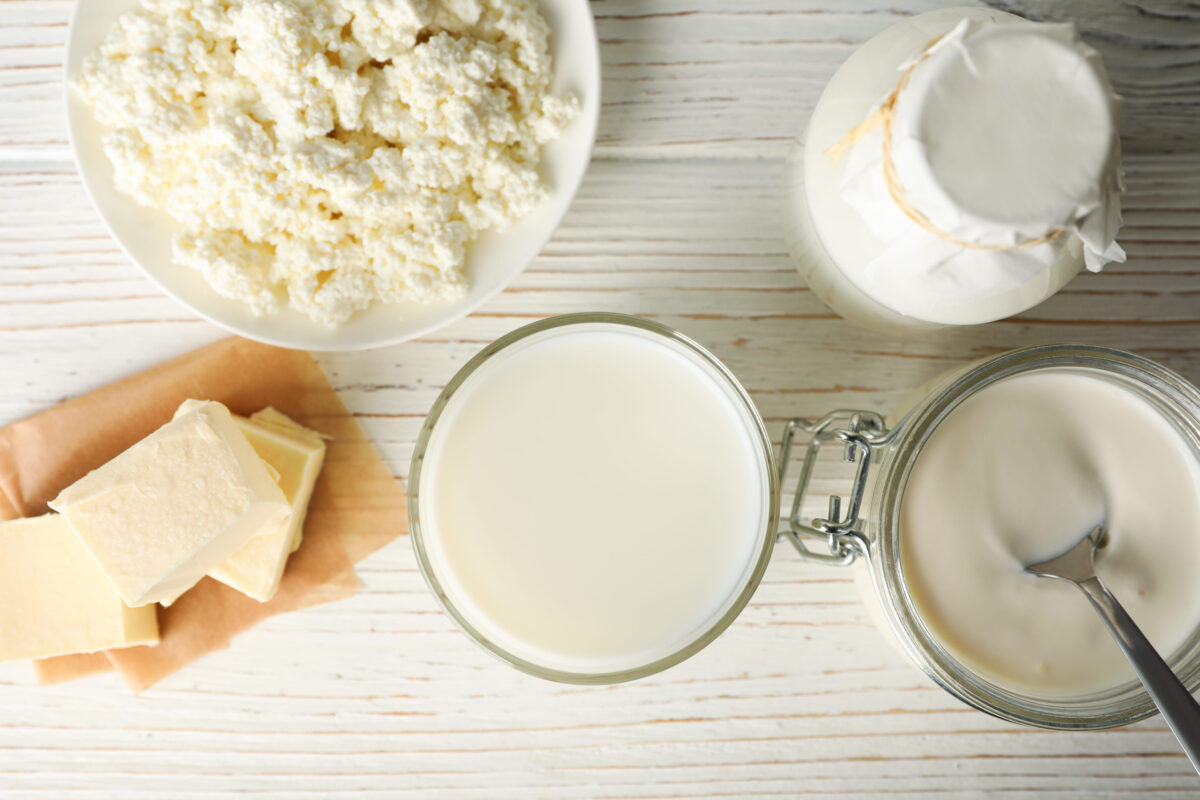
For many people, dairy products such as milk, cheese, and yogurt can be hard to digest. Lactose, the sugar found in dairy, is broken down in the small intestine by an enzyme called lactase. However, some people have low levels of this enzyme, making it difficult to properly process dairy.
This can lead to symptoms like bloating, diarrhea, and gas. Even for those who aren’t lactose intolerant, the protein casein in dairy can irritate the gut lining, contributing to inflammation and digestive discomfort.
What to do instead: If dairy upsets your gut, try non-dairy alternatives like almond milk, coconut milk, or lactose-free yogurt to give your digestive system a break.
Gluten
Gluten is a protein found in wheat, barley, and rye, and it’s present in many processed foods, such as bread, pasta, and baked goods.
For those with celiac disease or non-celiac gluten sensitivity, consuming gluten can cause severe damage to the gut lining, leading to inflammation and malabsorption of nutrients. Even if you don’t have a gluten intolerance, gluten can still contribute to digestive issues by promoting gut inflammation and upsetting the balance of gut bacteria, particularly in individuals who already have a compromised digestive system.
What to do instead: Consider switching to gluten-free grains like rice, quinoa, and oats to reduce the strain on your digestive system.
Fried Foods
Fried foods, such as French fries, fried chicken, and doughnuts, may be crispy and delicious, but they can wreak havoc on your gut. High levels of unhealthy trans fats and the process of deep-frying can increase inflammation in the digestive tract. Consuming fried foods regularly can lead to poor gut health by disrupting gut bacteria, promoting the growth of harmful bacteria, and increasing intestinal permeability (also known as “leaky gut”).
This allows toxins and pathogens to enter the bloodstream, potentially triggering autoimmune responses and other health problems.
What to do instead: Opt for healthy cooking methods like grilling, baking, or steaming, and replace fried foods with nutritious vegetables, lean meats, or fish.
Refined Sugars
Refined sugar, found in sugary drinks, candy, pastries, and most processed foods, is a major culprit for gut health. Excess sugar can feed harmful bacteria and yeast in the gut, causing them to thrive and multiply, leading to an imbalance in the microbiome.
This imbalance can result in digestive problems like bloating, indigestion, and irritable bowel syndrome (IBS). Additionally, high sugar intake has been linked to an increased risk of gut inflammation and metabolic disorders, including insulin resistance.
What to do instead: Limit your intake of refined sugars and opt for natural sweeteners or whole fruits to satisfy sugar cravings in a healthier way.
Caffeine

Caffeine, found in coffee, tea, energy drinks, and chocolate, is a well-known stimulant that can increase energy and alertness.
However, excessive caffeine consumption can lead to digestive problems. Caffeine stimulates the production of stomach acid, which can cause acid reflux and upset the gut’s natural balance. Additionally, caffeine can irritate the gut lining and contribute to conditions like gastritis, ulcers, and diarrhea in sensitive individuals.
What to do instead: Limit caffeine intake or try herbal teas like ginger or peppermint, which can soothe the digestive system and promote gut health.
Alcohol
While moderate alcohol consumption may not be harmful to everyone, excessive drinking can seriously damage your gut health.
Alcohol disrupts the gut barrier, leading to increased intestinal permeability and allowing harmful substances to leak into the bloodstream. This can trigger inflammation and disrupt the delicate balance of gut bacteria. Over time, chronic alcohol consumption can lead to conditions such as leaky gut, IBS, and even liver damage.
What to do instead: Drink in moderation or consider cutting back on alcohol altogether to help restore balance to your gut.
Pre-packaged Snacks
Pre-packaged snacks, such as chips, crackers, and cookies, may seem convenient, but they’re often loaded with artificial ingredients, preservatives, and unhealthy fats that can harm your gut.
Many of these snacks contain added sugars, artificial sweeteners, and trans fats, which can disrupt the balance of gut bacteria, leading to inflammation and digestive issues. These snacks are also low in fiber, which is essential for healthy digestion.
What to do instead: Choose whole foods like nuts, fruits, or homemade snacks that are high in fiber and free from artificial additives.
Soy Products
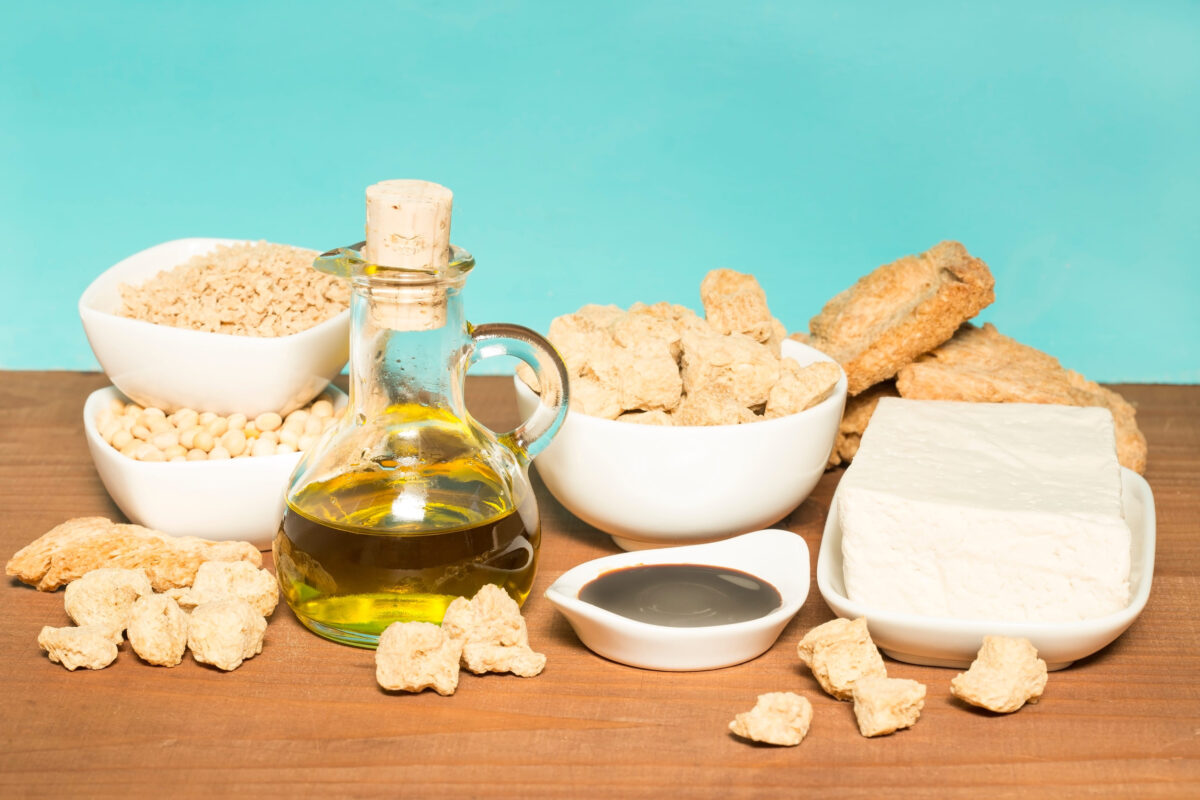
Soy is a common ingredient in many plant-based products, such as tofu, soy milk, and soy protein. While soy can be a good source of protein for vegetarians and vegans, it may not be suitable for everyone.
Some people have difficulty digesting soy, and it can cause bloating, gas, and other digestive issues. Additionally, soy contains phytoestrogens, which can interfere with hormone balance and, in some individuals, lead to gut inflammation.
What to do instead: If you experience digestive issues with soy, consider alternatives such as almond- or coconut-based products, which are easier on the gut.
Conclusion
Your gut is a complex and sensitive system, and the foods you consume can either nurture or harm it. By avoiding or limiting intake of toxic foods such as processed meats, artificial sweeteners, and refined sugars, you can support a healthy microbiome and prevent digestive issues. Remember, your gut is integral to your overall health, so choose your foods wisely and listen to your body.
Opt for whole, nutrient-dense foods, avoid excessive consumption of harmful ingredients, and always pay attention to how your body responds to different foods. By making these mindful choices, you’ll be on your way to protecting your gut and enhancing your overall well-being.