The 10 Worst Foods You Could Eat for Your Skin and What You Should Choose Instead
Our skin is our body’s largest organ, and like the rest of our body, it needs proper nourishment to stay healthy and vibrant. However, the foods we eat can either help or harm our skin’s appearance. While some foods are packed with antioxidants, healthy fats, and vitamins that can give us glowing, youthful skin, others can have the opposite effect, leading to breakouts, dryness, and premature aging.
If you’re serious about maintaining a radiant complexion, it’s crucial to avoid certain foods that can wreak havoc on your skin. Let’s explore the 10 worst foods for your skin and what you should choose instead to keep your skin looking its best.
Sugary Treats

Sugar, particularly refined sugar, can significantly impact your skin. When consumed in excess, it triggers a process called glycation, where sugar molecules attach to collagen and elastin in your skin.
These are the proteins that keep your skin firm, smooth, and elastic. Once damaged by sugar, collagen and elastin become weaker, leading to sagging and the formation of fine lines and wrinkles. The more sugary treats you eat, the faster this process occurs.
What to Choose Instead:
Opt for naturally sweet fruits such as berries, apples, and pears.
These provide vitamins and antioxidants that help nourish your skin and fight free radicals. They’re also packed with fiber, which is excellent for digestion, an important factor in maintaining clear skin.
Fried Foods,Clogging Pores, and Causing Breakouts
Fried foods like French fries, chicken wings, and doughnuts are not only high in unhealthy fats but also promote inflammation in the body. These foods are often cooked in oils that are high in omega-6 fatty acids, which can lead to an imbalance in your body’s omega-3 to omega-6 ratio.
This imbalance can cause skin issues, such as acne, and flare-ups of existing conditions like eczema or psoriasis. Moreover, the high-fat content can clog pores, leading to breakouts.
What to Choose Instead:
Grill, bake, or sauté your food with healthy fats like olive oil or avocado oil.
These oils are rich in monounsaturated fats and antioxidants that help reduce inflammation and protect your skin from oxidative stress. Additionally, opt for leafy greens, which are rich in vitamins and minerals that support skin health.
Dairy,The Hormone Connection
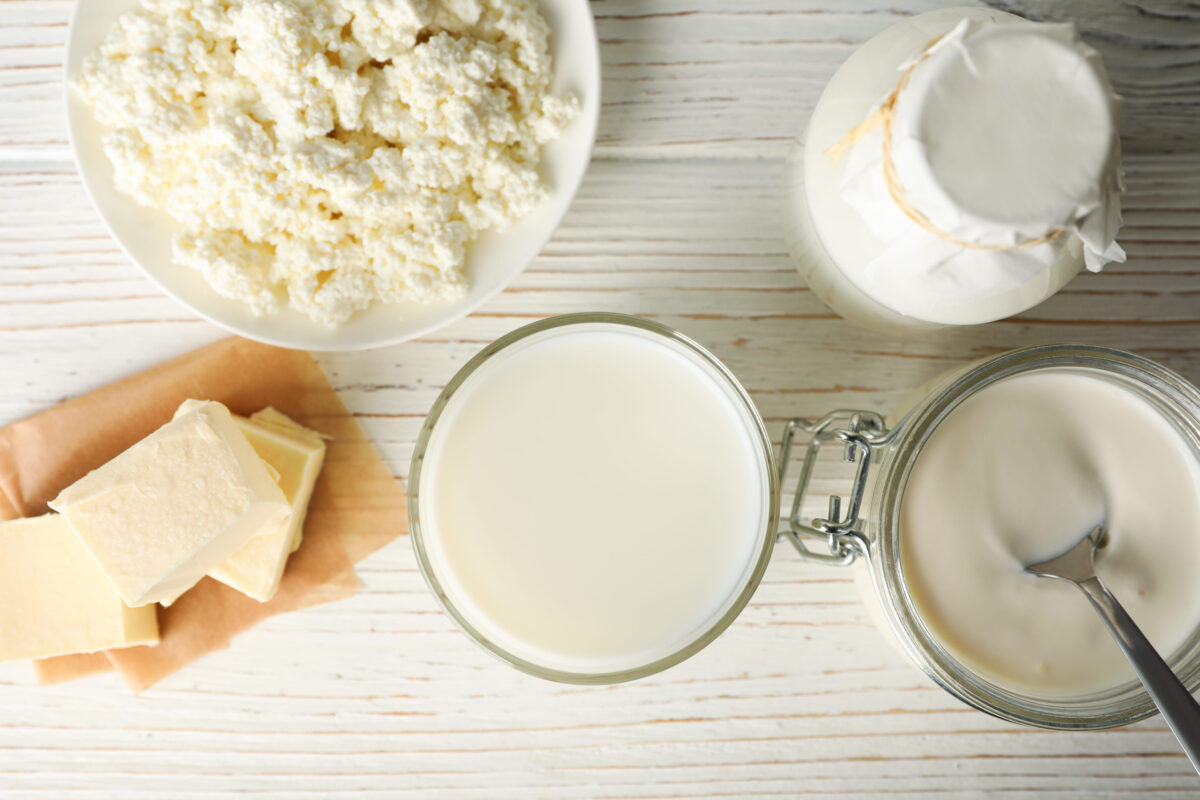
Many people notice that dairy products, such as milk, cheese, and yogurt, can trigger acne.
The reason behind this is that dairy products contain hormones and growth factors that may increase the production of sebum (skin oil), leading to clogged pores and breakouts. Studies suggest that milk, particularly skim milk, can be a major contributor to acne formation due to its effect on insulin levels.
What to Choose Instead:
Try plant-based milk alternatives like almond, coconut, or oat milk.
These options are not only dairy-free but often come enriched with skin-loving nutrients like vitamin E, which can help reduce inflammation and maintain skin hydration. If you’re craving dairy, go for fermented dairy like kefir or yogurt with probiotics, which are gentler on your digestive system and may help with skin conditions.
Processed Meats,A Skin Deteriorator
Processed meats such as sausages, hot dogs, and deli meats are packed with nitrates, preservatives, and unhealthy fats.
These ingredients can increase free radical levels in the body, contributing to premature aging and skin damage. Additionally, processed meats can exacerbate systemic inflammation, which is often linked to conditions like acne and rosacea.
What to Choose Instead:
Instead of processed meats, opt for lean cuts of fresh meat, like chicken or turkey.
If you’re looking for plant-based options, consider tofu, tempeh, or legumes like lentils and chickpeas, which provide protein without the added chemicals.
Alcohol A Dehydration Nightmare

While a glass of wine may seem harmless, alcohol can cause serious skin issues when consumed in excess. Alcohol dehydrates the body and depletes the skin of vital nutrients and moisture. This can lead to dry, dull skin and even worsen existing skin conditions like rosacea and eczema. Furthermore, alcohol dilates blood vessels, leading to redness and visible capillaries, especially around the cheeks and nose.
What to Choose Instead:
Stay hydrated with water, herbal teas, or coconut water, all of which help replenish your skin’s moisture.
If you do drink alcohol, try to keep it to a minimum, and always drink plenty of water alongside to rehydrate your skin.
Refined Carbs,The Silent Skin Saboteur
Refined carbs found in white bread, pasta, and pastries are high on the glycemic index, meaning they cause a rapid spike in blood sugar.
This spike in insulin levels can promote androgen production, which increases sebum production and clogs pores, leading to acne. Refined carbs also cause inflammation, which contributes to collagen breakdown and accelerates the aging process.
What to Choose Instead:
Switch to whole grains like quinoa, brown rice, and whole-wheat pasta. These foods have a lower glycemic index and provide lasting energy without the skin-harming effects of refined carbs. They are also rich in fiber and essential nutrients that support overall skin health.
Salt,A Major Cause of Water Retention
While salt is essential for the body in small amounts, consuming too much salt can lead to water retention, puffiness, and under-eye bags. Excess sodium draws water into your tissues, leaving your skin looking swollen and dull.
Additionally, excessive salt intake can disrupt your skin’s natural hydration balance, making it more prone to dryness and irritation.
What to Choose Instead:
Reduce your salt intake by cooking with fresh herbs and spices like basil, oregano, and turmeric to enhance flavor without the sodium.
Also, opt for low-sodium versions of canned foods and avoid pre-packaged snacks that are loaded with hidden salt.
Sugary Beverages,The Liquid Sugar Problem
Sugary beverages, including sodas, sweetened coffees, and energy drinks, are packed with sugar that wreaks havoc on your skin.
These drinks spike your blood sugar, leading to the same glycation process as sugary foods. Furthermore, the high caffeine content in some sugary drinks can dehydrate your skin and increase the production of stress hormones like cortisol, which can lead to breakouts and wrinkles.
What to Choose Instead:
Drink water, sparkling water with a splash of lemon, or herbal teas to keep your body hydrated and your skin looking fresh. Green tea, in particular, is an excellent choice for its antioxidant properties and skin benefits.
Caffeine,Stress, and Dehydration Combined
Caffeine, while known for its energizing effects, can be harmful to your skin if consumed in excess. Caffeine is a diuretic, meaning it increases urine production and can lead to dehydration, leaving the skin looking dry and lackluster.
Furthermore, high caffeine consumption can elevate stress hormones like cortisol, which can lead to breakouts, premature aging, and inflammation.
What to Choose Instead:
Limit your caffeine intake and replace it with green tea, which contains lower levels of caffeine but is rich in antioxidants and anti-inflammatory compounds.
Herbal teas like chamomile or rooibos are also excellent options that promote relaxation and hydration.
Fast Food,The Skin’s Worst Enemy

Fast food, with its combination of trans fats, refined sugars, and artificial additives, is a major contributor to skin issues.
Trans fats increase inflammation in the body, leading to redness, puffiness, and acne. The high sugar content in fast food also accelerates the glycation process, leading to premature aging.
What to Choose Instead:
Prepare meals at home using fresh, whole ingredients. Opt for lean proteins, healthy fats, and plenty of colorful vegetables.
A diet rich in antioxidants, healthy fats, and vitamins will nourish your skin and give it a natural glow.
Conclusion
Maintaining healthy, glowing skin is not just about what you put on the surface; it’s about what you put into your body. By avoiding the 10 worst foods for your skin,such as sugary treats, fried foods, dairy, processed meats, and more,you can help reduce inflammation, prevent premature aging, and keep your complexion looking youthful.
Instead, choose nourishing, skin-friendly foods like fruits, vegetables, whole grains, and healthy fats to support your skin from the inside out. So, the next time you’re at the store or planning your meals, think about what’s going to benefit your skin, and make choices that promote long-lasting health and beauty.