10 Everyday Foods That Could Be Slowly Damaging Your Child’s Kidneys
A child’s kidneys work quietly, but they do serious work every minute. They balance fluids, filter waste products, help control blood pressure, and maintain mineral levels within the right range. That is why the danger is not always the candy bar or a single salty meal; it is the steady pattern of foods that pile on sodium, added sugar, phosphorus additives, and other compounds the kidneys have to manage again and again.
Federal kidney guidance says cutting back on salt and added sugars helps protect kidney health, and pediatric kidney stone guidance warns that sodium-packed foods, fast foods, and some animal proteins can raise risk in children.
Salty chips and flavored crisps

That crinkly bag may look harmless, but chips are one of the easiest ways for kids to swallow a flood of sodium without feeling full. NIDDK says higher sodium intake increases the risk of kidney stones in children, and it points straight to canned, packaged, and fast foods as major sources.
When salty snacks become a daily habit, the kidneys have to work harder to manage fluid balance, and over time, that is the kind of quiet stress parents rarely notice until it becomes a pattern.
Instant noodles and cup soups
Instant noodles are cheap, fast, and wildly popular, which is exactly why they can become a problem. Pediatric kidney guidance warns that sodium is concentrated in packaged foods, canned soups, and fast foods, while the National Kidney Foundation advises choosing fresh foods and reading labels to reduce salt.
A meal that feels light can still deliver a heavy mineral load, and if a child eats it often, the kidneys are stuck cleaning up the same mess repeatedly.
Hot dogs, bacon, sausage, and deli meat
Processed meats are the kind of food that can fool busy families because they seem protein-rich and convenient.
The trouble is that kidney guidance flags enhanced meats, deli meats, hot dogs, bacon, and sausage as common sources of phosphorus additives and sodium, while pediatric kidney stone guidance says eating animal protein can make a child more likely to develop stones. Protein is important, but heavily processed meat is not giving the kidneys a clean job; it is giving them extra chemical baggage.
Fast food burgers, fries, and fried chicken meals
Fast food does not arrive with just one problem. It often combines sodium, processed meat, additives, and large portions in one tray, which is why NIDDK specifically tells families trying to prevent stones to avoid processed and fast foods.
The issue is not one Friday treat; it is the routine of meals that trains a child’s taste buds toward excess and keeps the kidneys handling more salt and more metabolic waste than they should.
Soda and dark cola drinks

Soft drinks hit the kidneys from multiple directions. NIDDK recommends limiting added sugars for kidney protection, and the National Kidney Foundation lists dark colas among drinks high in phosphorus or phosphate additives that people with kidney concerns may need to limit.
On top of that, a recent study found that higher intake of sugar-sweetened or artificially sweetened beverages was associated with a higher risk of chronic kidney disease, which makes the daily soda habit look a lot less innocent.
Sugary fruit drinks that look healthier than they are
Many parents watch out for soda but give fruit drinks a free pass because the label sounds cheerful. Kidney prevention guidance from NIDDK still recommends cutting back on added sugars, and CDC notes that diabetes is a major kidney disease risk because high blood sugar can damage the kidney’s filtering system over time.
A bright bottle that tastes like fruit but behaves like liquid sugar can quietly push a child toward the very blood sugar problems that kidneys hate most.
Processed cheese slices, cheese sauces, and packaged cheesy snacks
Cheese is not the villain here, but ultra-processed cheese products can be. The National Kidney Foundation says phosphorus additives are found in most processed foods, enhanced meats, and ready-to-eat items, and it notes that added phosphorus is completely absorbed by the body.
That matters because kidneys are responsible for keeping phosphorus in balance, so foods built with extra phosphate compounds can create more work than parents realize, especially when they show up in lunchboxes, microwave dinners, and snack aisles every day.
Packaged cakes, cookies, candy, and ultra-processed snack foods

These foods are not just sugary; they are often part of a broader pattern of ultra-processed foods. The National Kidney Foundation reported on a long-term study showing that people with the highest intake of ultra-processed foods had a 24 percent higher risk of chronic kidney disease, and that sugar-sweetened beverages and processed meats were especially linked with higher risk. Kids are not small adults, but the message for families is still powerful.
A diet built mostly from factory snacks teaches the kidneys to live under constant pressure instead of steady support.
Star fruit for kids with kidney disease
This one surprises almost everyone because star fruit looks fresh, tropical, and healthy. Yet the National Kidney Foundation warns that people with kidney disease should avoid it because a toxin in star fruit can build up when impaired kidneys cannot clear it.
It is properly, causing confusion, seizures, and even death in severe cases. For healthy kids, this is usually not the everyday concern, but for any child with known kidney disease, star fruit is not a harmless novelty snack.
Spinach-heavy smoothies and nut-packed snacks for stone-prone kids
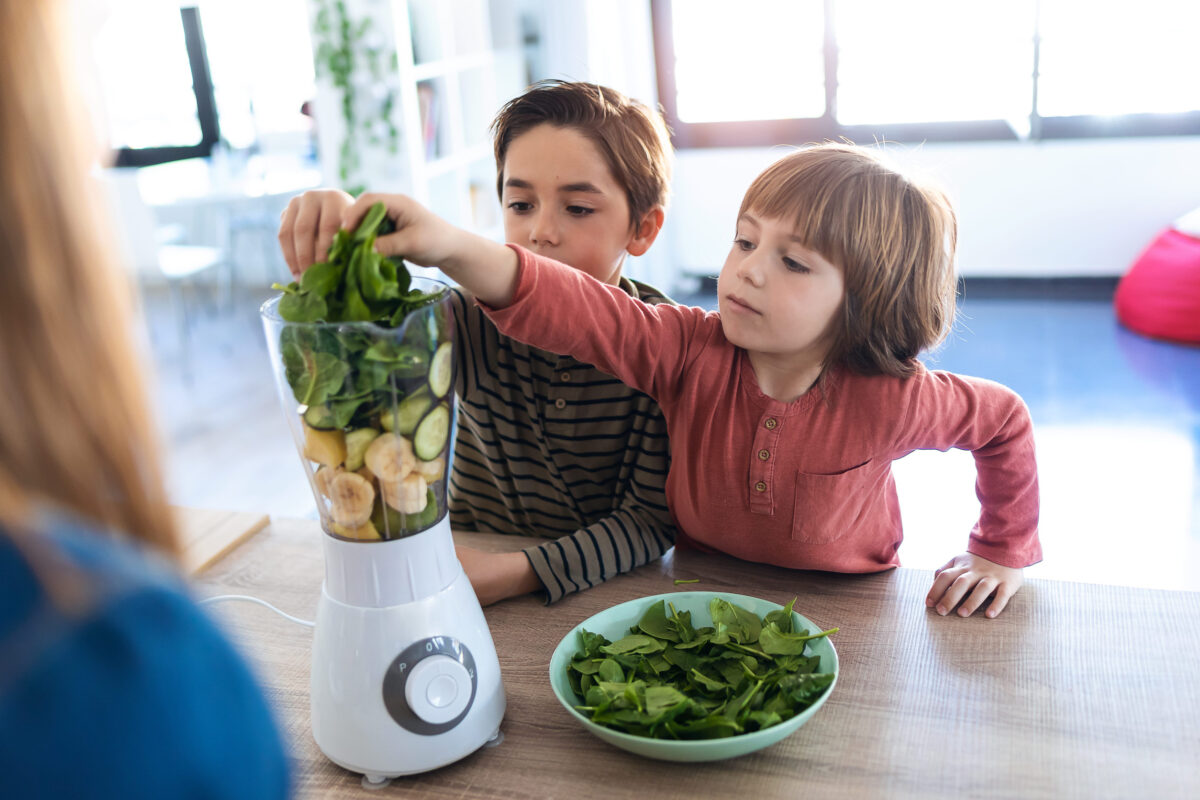
Spinach and nuts are healthy foods for many children, but kidney nutrition is not one-size-fits-all. NIDDK says most children with calcium oxalate stones do not need to broadly restrict oxalate, yet when stones are linked to oxalate intake, foods such as spinach, nuts, peanuts, rhubarb, and wheat bran may need to be reduced.
That means a smoothie praised on social media can still be the wrong choice for a child who already has a history of stones or elevated urinary oxalate.
Conclusion
The real threat to a child’s kidneys usually does not look dramatic. It looks like normal routines that lean too hard on salty snacks, sugary drinks, processed meats, fast food, and additive-loaded convenience meals.
Good kidney protection is rarely flashy; it is built on boring but powerful habits like more water, more fresh food, fewer packaged meals, lower sodium, and fewer drinks loaded with sugar or phosphate additives. If your child already has kidney disease, kidney stones, diabetes, or blood pressure concerns, these food choices matter even more, and a pediatrician or kidney dietitian can help you build a safer plate before silent stress turns into a visible problem.