Cooking Rules Meant to Be Broken and A Guide to Daring Culinary Freedom
Cooking is an art form, a delicate dance of ingredients, flavors, and techniques. However, somewhere along the way, a set of kitchen rules was established that many consider sacred. From the perfect ratio of flour to water in baking to the myth of using only fresh herbs, these culinary guidelines have often been adhered to with precision. But what if we told you that some of these so-called “rules” might just be meant to be broken? In this article, we’ll explore some traditional cooking rules that can , and should be bent, twisted, and, at times, completely disregarded for the sake of creativity and flavor.
You Must Always Use Fresh Herbs
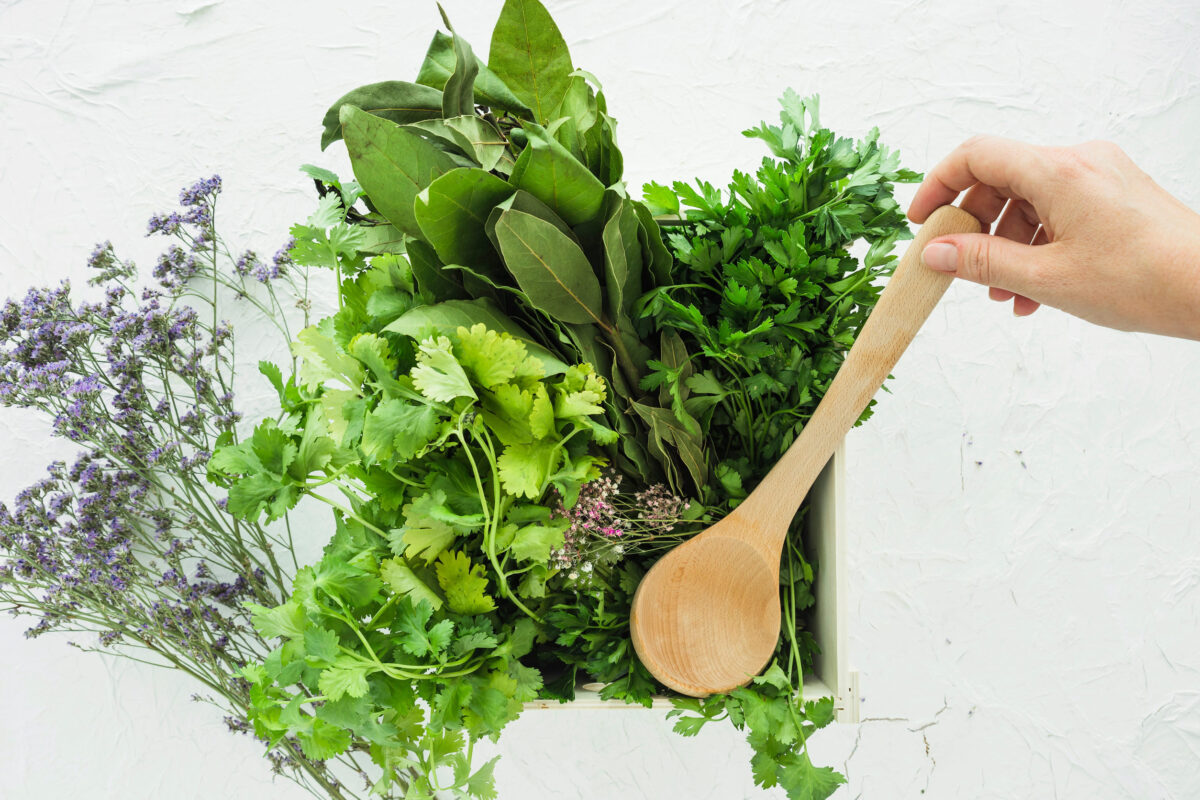
It’s a familiar mantra: fresh herbs are essential for a fresh, vibrant dish. And while they do offer unparalleled flavors, there’s no need to keep them as your only weapon in the spice arsenal. Dried herbs, when used correctly, pack a potent punch of flavor. In fact, dried herbs often have more concentrated flavors than their fresh counterparts due to the drying process. So, don’t be afraid to reach for your dried oregano, thyme, and rosemary. They are just as capable of transforming your dish.
The key to making this work is to add dried herbs earlier in the cooking process, giving them time to rehydrate and release their oils. Fresh herbs, on the other hand, should be added at the end to preserve their delicate aromas and flavors.
Never Overcrowd the Pan
We’ve all been told: overcrowding the pan will result in steamed food, not the perfect sear. While this rule certainly holds true in many situations, there are times when it’s okay to break it. When you are cooking a large batch of food, such as when preparing a stir-fry or sautéing vegetables, overcrowding the pan can actually help create a more even distribution of heat and a better texture, especially if you’re using high heat.
One trick to manage this is to cook the food in smaller batches but combine them at the end. You can also adjust the heat levels and stir occasionally to ensure that everything cooks evenly. The result? Golden-brown edges and a satisfying crispness.
Baking Is an Exact Science

Baking is often considered a precise science, with exact measurements and specific techniques that must be followed. However, even the most seasoned bakers know that cooking is not always about precision. In some cases, intuition and experimentation can yield even better results.
For instance, if a recipe calls for all-purpose flour but you only have cake flour, give it a try! Cake flour’s finer texture will give your baked goods a lighter, softer crumb. Additionally, feel free to swap in different types of sugar , such as brown sugar instead of granulated sugar, for a richer flavor. The bottom line? While baking has its necessary guidelines, don’t be afraid to test the waters and see how deviations can lead to delicious results.
Always Use a Sharp Knife
A sharp knife is an essential kitchen tool, and for good reason: it makes the job easier, faster, and safer. But sometimes, the idea of always using a sharp knife needs to be reconsidered. There are times when a dull knife is perfectly appropriate , particularly for tasks that don’t require precision, like chopping herbs or slicing soft vegetables.
Moreover, using a dull knife can help you break down ingredients more evenly, particularly when you want a rough, rustic chop. It allows you to cut at your own pace and manage the texture of the food as you go.
Never Salt Your Dish Before Tasting
The cardinal rule: always taste before seasoning. While this is valid advice in many circumstances, there are times when pre-seasoning can work wonders, especially during cooking. Adding salt at different stages of the process can build layers of flavor and help the seasoning penetrate the food.
For example, salting your pasta water before cooking ensures that the noodles are seasoned from the inside out, making them tastier without needing to add as much salt to the final dish. Similarly, adding salt early during roasting can help draw out moisture and enhance caramelization.
You Should Only Use Nonstick Cookware for Delicate Foods
Nonstick cookware is often dismissed as a crutch for beginners, and it’s true that it excels with delicate foods like eggs and fish. However, nonstick pans can do much more than that. In fact, when used properly, nonstick cookware can offer a non-intimidating surface for everything from sautéing vegetables to searing meats.
The trick is to use nonstick pans with the right heat settings , medium to low, and avoid overheating. Nonstick pans are great for reducing the amount of oil or butter needed in cooking, making them an ideal choice for those looking to cut down on fat in their meals.
Always Follow the Recipe
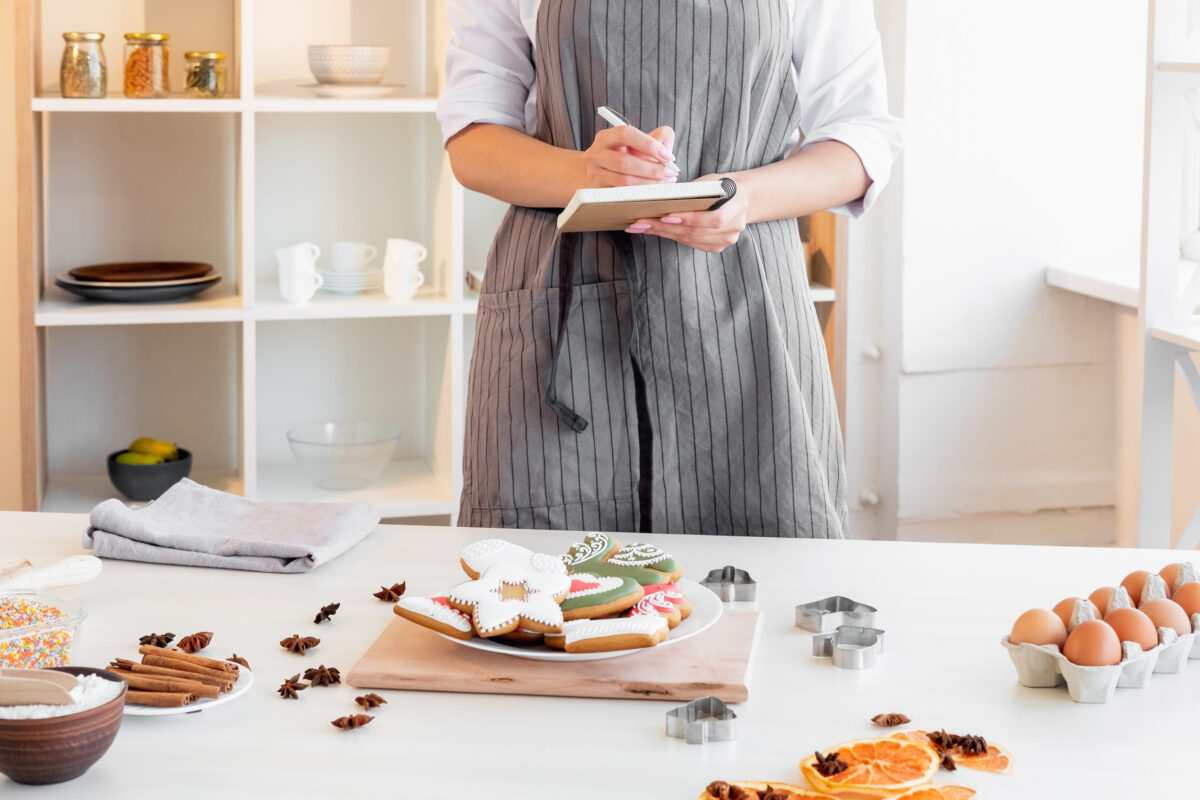
Recipes are there to guide us, but that doesn’t mean we have to follow them to the letter every time. Many home cooks find that once they are comfortable with a recipe, they can start adapting it to their personal tastes or to the ingredients they have on hand. This is the beauty of cooking: it allows for creativity.
For example, if a recipe calls for heavy cream, but you only have sour cream, why not use it? The tangy addition of sour cream could bring a new dimension to the dish. Similarly, if you’re out of one type of cheese, use what you have in your fridge; the result might surprise you.
No Mixing Sweet and Savory
The sweet-and-savory combo is often met with skepticism. But when done right, the contrast can create a depth of flavor that elevates the dish. Think of the sweet and salty combo of salted caramel, or the marriage of honey and mustard on roasted chicken. These combinations not only surprise the palate, but they also create layers of complexity.
Don’t shy away from mixing ingredients like cinnamon with chili or chocolate with chili peppers. These bold pairings can create an explosion of flavors and are often used in gourmet cooking to push boundaries.
Never Add Wine to a Dish You Wouldn’t Drink
While it’s true that you should use good-quality wine for cooking, it doesn’t have to be a bottle you would serve at dinner. The wine doesn’t need to be top-shelf, but it should have a decent flavor profile. In fact, cooking with wine that isn’t your go-to table wine can often lead to new and exciting flavor discoveries.
Experimenting with different wines , from a simple red to a fortified wine like sherry, can create unique depth and richness in your sauces, marinades, and stews. As long as the wine complements the dish’s other flavors, feel free to step outside your usual preferences.
Always Use Butter for Sautéing
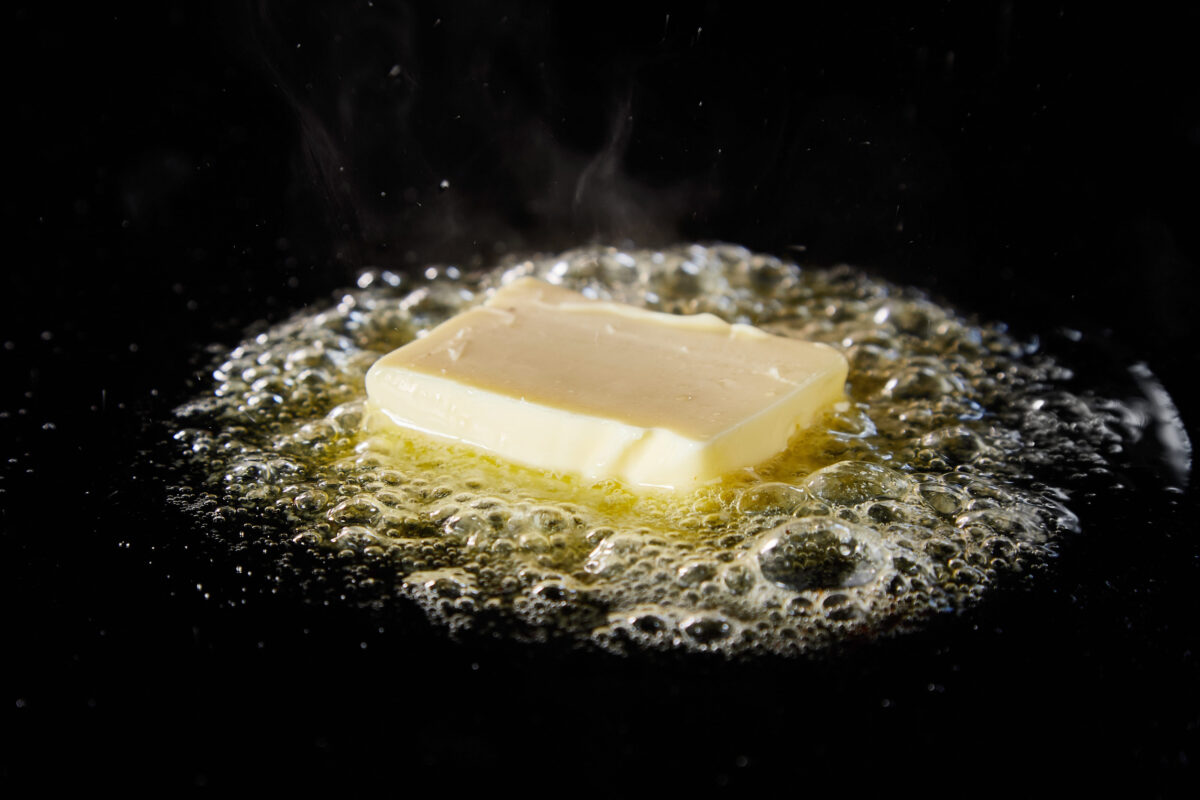
Butter is beloved for its rich, creamy flavor, but it’s not the only fat that can enhance a dish. In fact, oil often works just as well, and in some cases, it’s a better choice. Olive oil, for instance, provides a fruity, peppery note that can deepen the flavors of vegetables, meats, and sauces.
Beyond olive oil, other fats like avocado oil or ghee can also work wonders when sautéing. They have different smoke points, allowing you to control the heat while still creating crispness and texture without worrying about burning. These fats can complement the dish’s flavor profile in a way butter sometimes can’t.
Conclusion
The kitchen is a playground, and, like any great artist, we sometimes must challenge established norms to create something truly remarkable. While many cooking rules are based on tradition and experience, the beauty of cooking lies in its adaptability and creativity. So, next time you’re in the kitchen, don’t be afraid to break a few rules, trust your instincts, and experiment with flavors and techniques. The most unforgettable meals often come from the freedom to explore, and who knows , you might just stumble upon your new signature dish.