The Weirdest British Foods, An Exploration of Unique and Unusual Delights
When you think of British cuisine, your mind may drift to staples like fish and chips, hearty pies, or a warm bowl of porridge. However, beyond these familiar dishes lies a treasure trove of eccentric, unusual, and often downright weird British foods that have shaped the country’s culinary landscape.
From peculiar combinations to ingredients that might raise an eyebrow, these foods often find their way onto British dinner tables, enjoyed by locals but occasionally raising confusion among outsiders. Let’s take a deep dive into the strangest and most unique foods from across the pond and explore what makes them both beloved and baffling.
Haggis, A Scottish Tradition
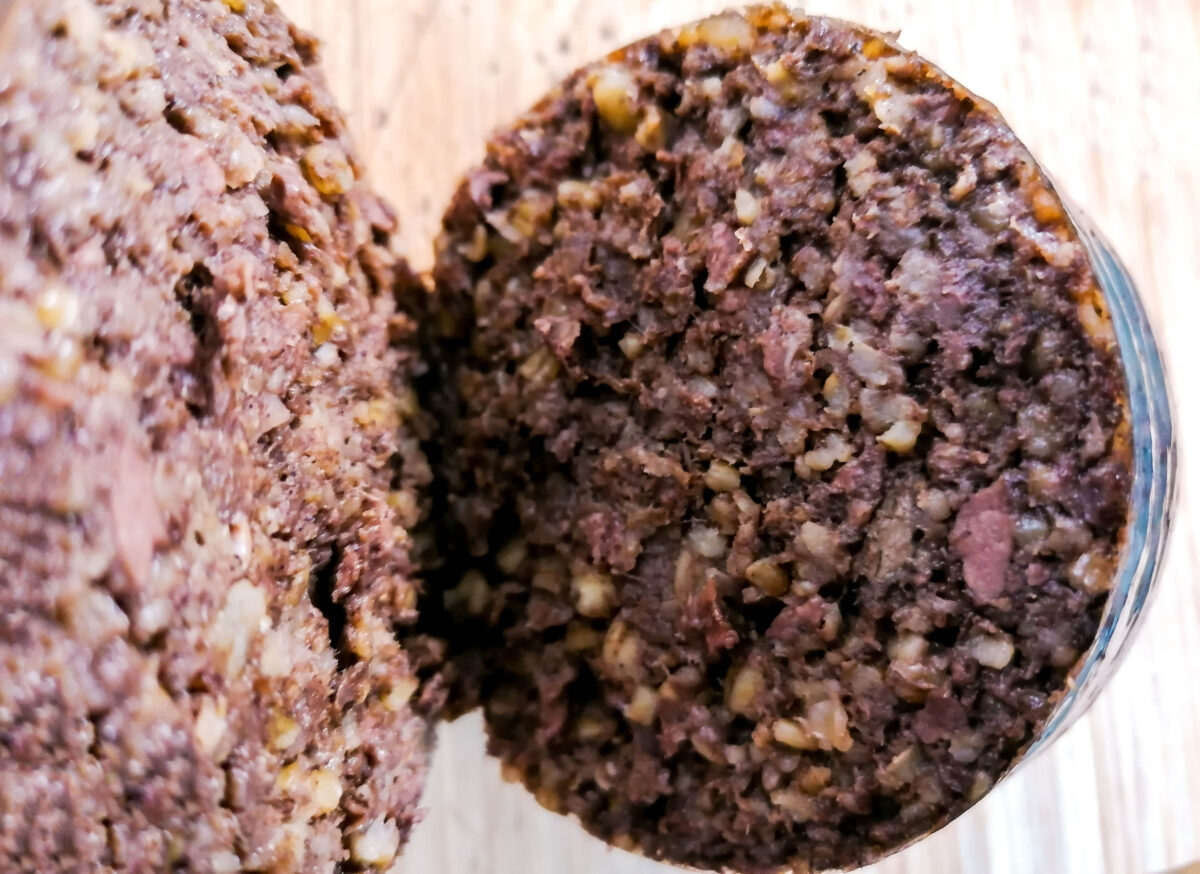
One of the most iconic “weird” British foods is haggis. Originating from Scotland, this dish consists of sheep’s heart, liver, and lungs, which are minced and mixed with oats, onions, and spices. It is then traditionally cooked in the sheep’s stomach.
Though its ingredients may sound unusual, haggis has a rich, savory flavor that many Scots hold dear. It’s often enjoyed with neeps (mashed turnips) and tatties (mashed potatoes), making for a filling and hearty meal. The ceremonial nature of haggis, particularly during Burns Night celebrations, adds a cultural flair to this often misunderstood dish.
Black Pudding
Black pudding is another food that can leave non-Brits scratching their heads. This blood sausage is made from congealed blood, typically from pigs, mixed with fat and oats.
It’s often served as part of a traditional English breakfast alongside bacon, eggs, and toast. Despite its seemingly macabre ingredients, black pudding has a long history in the UK and Ireland, and its rich, earthy flavor has earned it a loyal following. It’s crunchy on the outside and soft on the inside, making it a unique contrast to the usual breakfast fare.
Jellied Eels
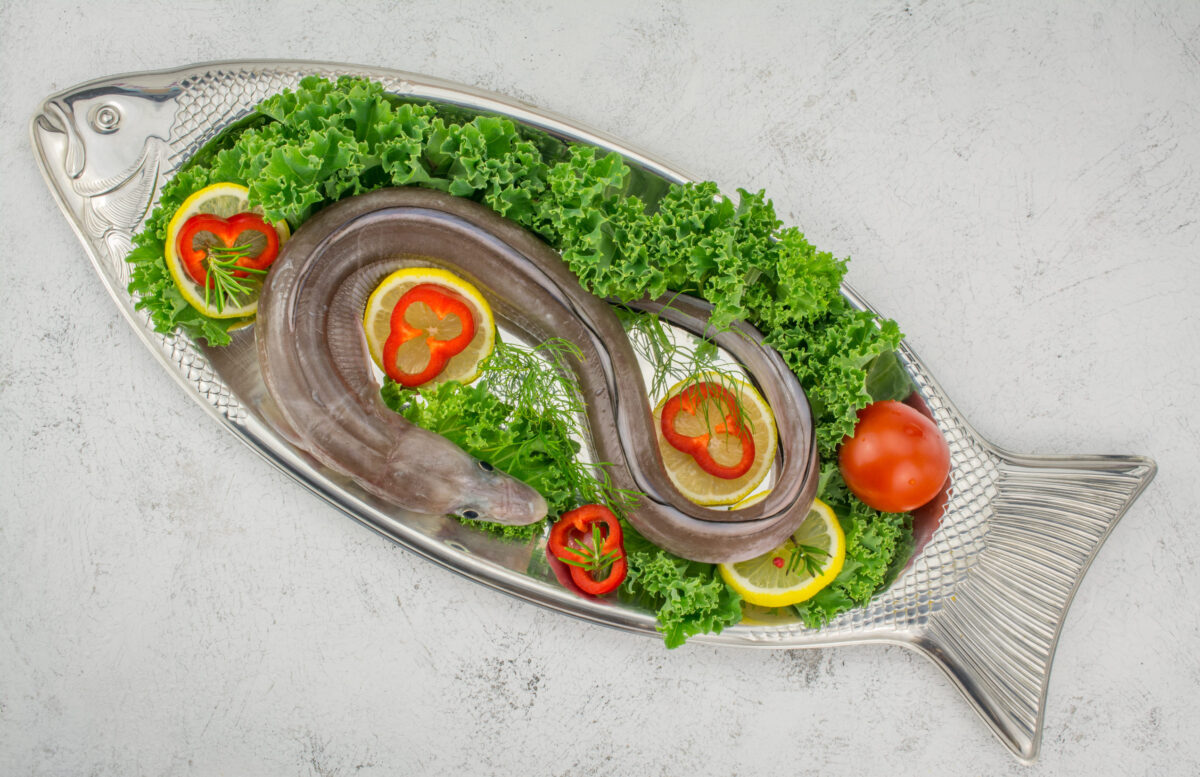
For many people, the mere thought of jellied eels is enough to turn their stomachs. This East London specialty consists of eel that’s boiled, then set in a gelatinous stock.
The dish has been a staple in the East End since the 18th century, where it was once a cheap and hearty option for working-class families. While the texture may seem strange to newcomers, the jelly is seasoned with vinegar and spices, giving it a tangy flavor that balances the richness of the eel. Jellied eels are often served cold, and some locals swear by them as the perfect accompaniment to a pint of beer.
Spotted Dick
The name alone is enough to make anyone chuckle, but spotted dick is more than just a comedic dessert.
This steamed suet pudding, dotted with dried currants (the “spots”), has been a beloved British treat for generations. Served hot, often with custard, it’s a comforting dessert that has become a symbol of traditional British cooking. Despite its unfortunate name, it remains a favorite in pubs and homes alike, enjoyed for its soft, spongy texture and subtly sweet flavor.
Twiglets
Twiglets are one of those foods that inspire strong opinions; people either love them or hate them. These small, crunchy sticks, coated in yeast extract, are a popular snack in the UK, often served with a pint of beer.
The distinct flavor comes from the yeast extract, which has a savory, almost umami-like taste that can be acquired. Some compare it to Marmite, another divisive British food. While Twiglets are often found at parties or in snack aisles, they remain a food that doesn’t easily win over outsiders.
Marmite
Speaking of Marmite, this thick, dark spread is famous for dividing the nation. Made from yeast extract, Marmite is either loved or hated by those who try it. Its intense, salty flavor makes it a breakfast staple for many, spread thinly on toast with a dab of butter.
For others, the thought of eating something that tastes like concentrated stock is enough to send them running for the hills. The Marmite phenomenon has become part of British culture, with its tagline, “Love it or hate it,” perfectly encapsulating the dish’s polarizing nature.
Toad in the Hole
While toad in the hole may not be as bizarre as some of the other foods on this list, its name often raises eyebrows. This classic dish consists of sausages baked in a Yorkshire pudding batter, resulting in a crispy, golden crust surrounding juicy sausages.
It’s typically served with gravy and vegetables, making it a satisfying, filling meal. Despite the odd name, toad in the hole has been a beloved comfort food for centuries, offering a taste of home for many Brits. It’s a dish that’s perfect for a rainy day when you need something hearty and warming.
Kippers
Kippers, which are smoked herring, are another traditional British breakfast food that can be off-putting to some. The pungent aroma that fills the kitchen as the kippers are prepared may be too much for some, but for others, it’s an essential part of their morning routine.
Often served with a poached egg and toast, kippers have a rich, smoky flavor that complements the mildness of the fish. Though this dish may not have the widespread popularity of bacon or eggs, it remains a regional delicacy that evokes memories of seaside breakfasts in coastal towns.
Bubble and Squeak
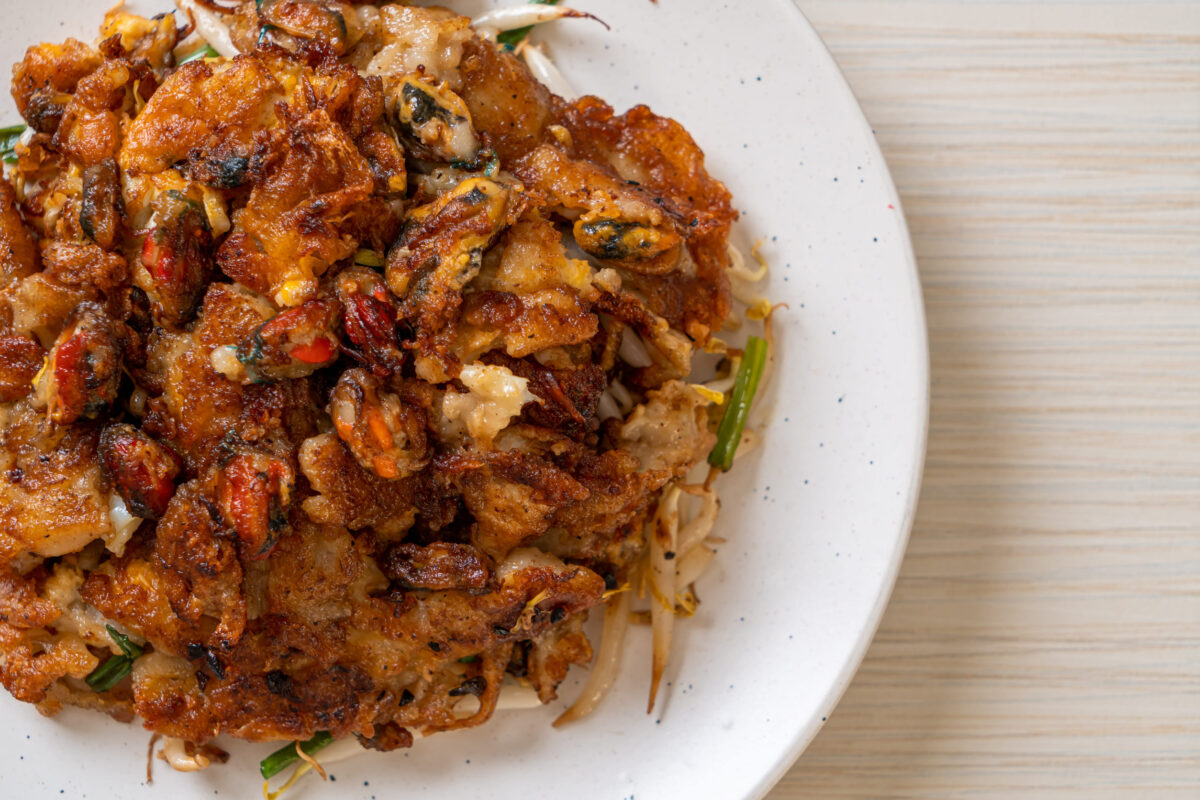
Bubble and squeak is the ultimate leftover dish. Traditionally, it’s made from mashed potatoes and cabbage, sometimes mixed with other leftover vegetables like carrots or Brussels sprouts.
The mixture is then fried until crispy, creating a delightful combination of soft insides and crunchy outsides. The name “bubble and squeak” comes from the sound the dish makes as the vegetables fry and bubble in the pan. It’s an inexpensive and resourceful meal that’s enjoyed especially after a Sunday roast.
Pease Pudding

Finally, pease pudding is a dish that’s loved by some and met with skepticism by others. Made from split peas, this yellow, savory pudding is often served as an accompaniment to meat, particularly with ham.
The texture is thick and slightly lumpy, and the flavor is earthy with a hint of saltiness. While it’s not a food you’ll find at every British table, it’s a favorite in certain regions and often featured in a traditional sandwich alongside ham.
Conclusion
From haggis to pease pudding, the weird and wonderful foods of Britain are a testament to the country’s rich culinary history and culture. While these dishes may seem strange to outsiders, they have earned a place in British kitchens and on dining tables across the nation.
For many, these foods evoke nostalgia, comfort, and tradition. However, for those unaccustomed to such eccentric flavors, these meals can be a challenge to embrace. Whether you find them delicious or off-putting, the diversity of British food reflects the country’s heritage and the eclectic nature of its culinary scene. So, the next time you’re in the UK, be sure to try at least one of these strange dishes; it might just surprise you.