8 Costly Mistakes That Are Quietly Destroying Your Finances
How much do you think you’re spending every day? If you’re like most people, you probably have no idea. In fact, you might be surprised to learn that small habits and everyday conveniences are silently siphoning money from your bank account. These hidden leaks are often so subtle that you don’t even notice them until it’s too late.
But the truth is, many of us are losing money in ways we don’t even realize, and it’s happening every single day. In this article, we’ll uncover the 8 most shocking ways you’re draining your finances, and more importantly, how to stop the leak before it gets worse.
Unchecked Subscriptions Are Draining Your Account

Most people subscribe to a range of services, streaming, apps, or even fitness memberships, and forget about them. These subscriptions often slip under the radar, silently taking a chunk out of your account each month. Whether it’s a forgotten streaming service or an unused gym membership, all these tiny charges add up. If you haven’t looked at your subscriptions in months, there’s a good chance you’re paying for something you’re no longer using.
Take 30 minutes to review your subscriptions. Use a tool to track recurring payments or simply check your bank statement. Cancel anything you don’t need. You’ll be surprised at how much you save just by cutting out the extras.
The Hidden Costs of Convenience
In today’s fast-paced world, convenience comes at a hefty price. Whether it’s ordering food delivery, using express shipping, or buying the latest gadget without comparing prices, the extra costs quickly pile up. Consider this: A $1.25 daily coffee habit costs $1,825 per year. Combine that with impulse buys or daily conveniences, and you might be spending thousands without even realizing it. Instead of paying extra for convenience, plan ahead. Cook at home, skip the express delivery, and shop around for better deals. Small changes can add up to massive savings over time.
Credit Card Debt
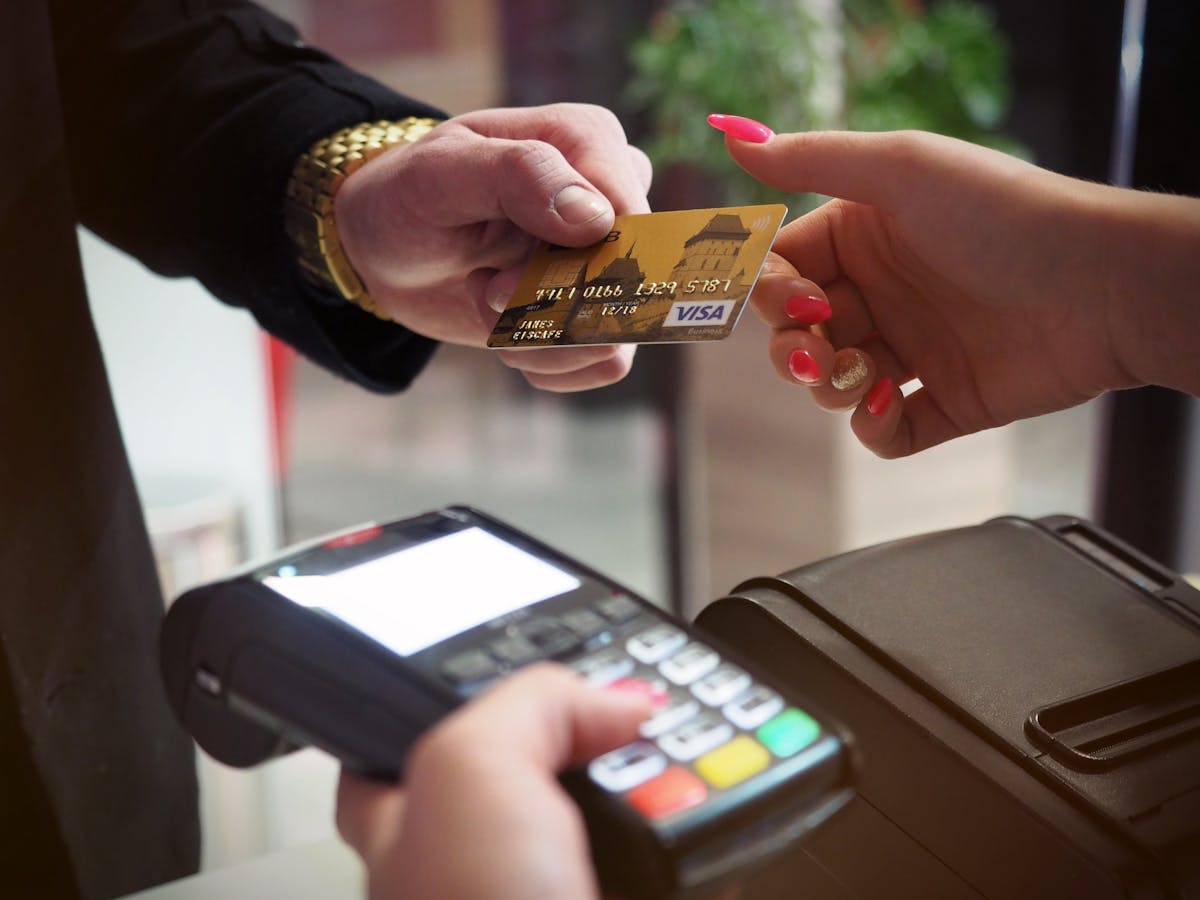
Credit cards might feel like free money, but in reality, they’re one of the most dangerous ways to lose money. High interest rates on outstanding balances can balloon your debt, making it harder to pay off. The average credit card APR is 20%, which means every dollar you carry over from month to month is costing you significantly more. Those minimum payments may seem small, but they’re not nearly enough to get you ahead of the interest charges.
If you’re carrying credit card debt, pay it off as quickly as possible. Avoid making only the minimum payment; this will only increase your debt in the long run. If you have multiple cards, prioritize paying down the card with the highest interest rate first.
Poor Meal Planning Leads to Waste
How many times have you thrown away food because it expired or you just didn’t have time to cook it? The average American wastes nearly 40% of the food they buy. This means that if you spend $100 on groceries, nearly $40 ends up in the trash. What’s worse, you might also be over-buying, leading to more money spent on unnecessary items. Plan your meals ahead of time. Stick to a shopping list and only buy what you need. Not only will this save you money, but you’ll also reduce food waste and avoid making impulse purchases that drain your wallet.
Ignoring Small Savings Opportunities

It’s easy to overlook the little things, like cashback offers, discounts, or rewards programs, but these small savings can add up significantly. If you’re not taking advantage of available savings, you’re essentially leaving money on the table. Whether it’s a cashback credit card, a coupon app, or a rewards program at your local store, these small opportunities can lead to big savings.
Start paying attention to savings opportunities. Use cashback apps, sign up for loyalty programs, and always look for discounts before making a purchase. You’ll be surprised at how much money you can save without changing your lifestyle.
The True Cost of Unused Memberships
Are you paying for memberships you don’t use? Whether it’s a gym membership, a subscription box, or a professional organization, unused memberships are a hidden money drain. The average gym membership costs about $60 per month, but many people go only once or twice a month, which can make the cost per visit skyrocket.
Audit your memberships regularly. If you’re not using them, cancel them. Consider whether a pay-per-use model might be more beneficial than a monthly fee. Don’t throw away money on something you’re not taking full advantage of.
Energy Inefficiencies That Keep Your Bills High

Inefficient energy use is another daily money leak that many people overlook. Leaving lights on, using outdated appliances, or running electronics when not in use can all contribute to high energy bills. In fact, U.S. homes waste about 30% of their energy due to inefficiency. These wasted expenses add up over time, making your bills higher than they need to be.
Invest in energy-efficient appliances, turn off lights when you leave a room, and unplug devices when they’re not in use. Making small changes to reduce energy consumption can lead to long-term savings on your monthly utility bills.
The Impact of Daily Small Purchases
Daily small purchases, whether it’s a snack, a cup of coffee, or a quick stop at the convenience store, might seem insignificant in the moment, but they can quickly add up. A $3 snack every day costs you over $1,000 a year. These small, seemingly harmless purchases are one of the easiest ways to lose money without even realizing it.
Start tracking your small purchases. It may seem tedious, but once you see where your money is going, you’ll realize just how much you’re spending. Cut out unnecessary daily purchases and redirect that money toward savings or investment.
Conclusion
Losing money every day doesn’t require extravagant spending; it’s often the small, unnoticed habits that take the biggest toll on your finances. By identifying and fixing these 8 shocking money drains, you can stop the leaks and start saving more. The best part? The solutions are simple and immediate, so why wait? Take action today, and start reclaiming your financial health.