8 Things Nobody Tells You About Superfoods
Superfoods have become a buzzword in health and wellness circles, lauded for their powerful nutrient profiles and supposed ability to boost health in miraculous ways. From chia seeds to kale, these foods are often portrayed as nearly magical, providing everything you need to live longer, feel better, and even prevent diseases.
But despite all the hype, there are some things that nobody tells you about superfoods. While these foods are indeed packed with nutrients, there’s more to the story than just their “super” qualities. Let’s explore the untold truths about superfoods and what you need to know before making them the cornerstone of your diet.
Superfoods Aren’t a Magic Bullet
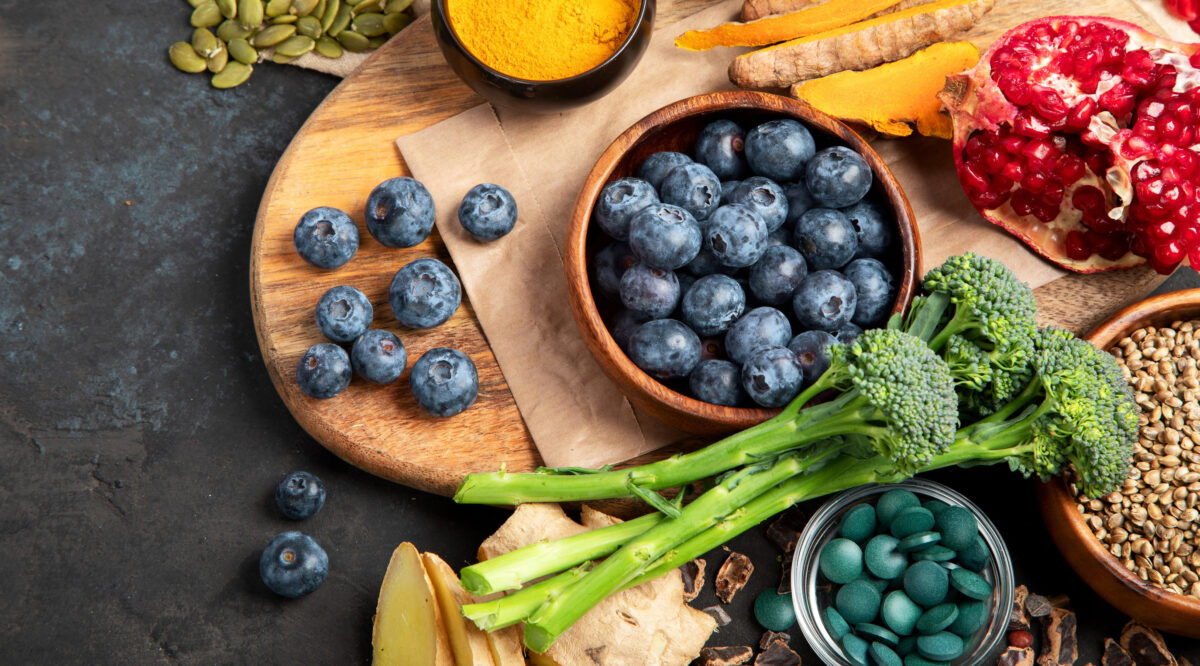
One of the biggest misconceptions about superfoods is that they are some kind of magical solution to all our health problems. People often expect that simply eating these foods will automatically improve their health. The reality is that superfoods are just that,foods that are packed with beneficial nutrients like antioxidants, vitamins, and minerals. However, consuming them alone won’t solve your health problems if your diet is otherwise unhealthy.
For instance, you might have heard that acai berries are packed with antioxidants, and while that’s true, eating them won’t negate the effects of a diet filled with processed foods, excessive sugar, or unhealthy fats. Health is about balance, and no single food,no matter how nutrient-rich, can replace the need for a well-rounded, nutrient-dense diet.
The “Super” Label Can Be Misleading
The term “superfood” is more of a marketing term than a scientifically defined category. There is no official, standardized definition of what constitutes a superfood, which can lead to misleading claims. Many foods, such as acai, quinoa, and goji berries, are marketed as superfoods due to their impressive nutrient content, but the reality is that many everyday foods are equally, if not more, nutritious.
Take spinach, for example. While kale often gets the spotlight as a superfood, spinach is loaded with iron, vitamins A and C, and antioxidants, making it just as beneficial,if not more so. So while it’s great to incorporate nutrient-dense foods into your diet, don’t get caught up in the marketing hype. Sometimes, traditional, less exotic options are just as powerful.
Superfoods Can Be Expensive

Another thing nobody tells you about superfoods is how expensive they can be. Foods like goji berries, spirulina, and acai can come with a hefty price tag. While they may offer impressive nutritional benefits, you may not need to spend extra money on these items when cheaper alternatives with similar or greater benefits are available.
Consider this: you could spend a small fortune on a smoothie bowl packed with spirulina and chia seeds, or you could get a similar nutritional boost by adding spinach, bananas, and oats to your smoothies. It’s important to keep in mind that you don’t need to break the bank to nourish your body with nutrient-rich foods. Many everyday fruits, vegetables, legumes, and grains are highly nutritious and much more affordable.
Superfoods Don’t Always Taste Great
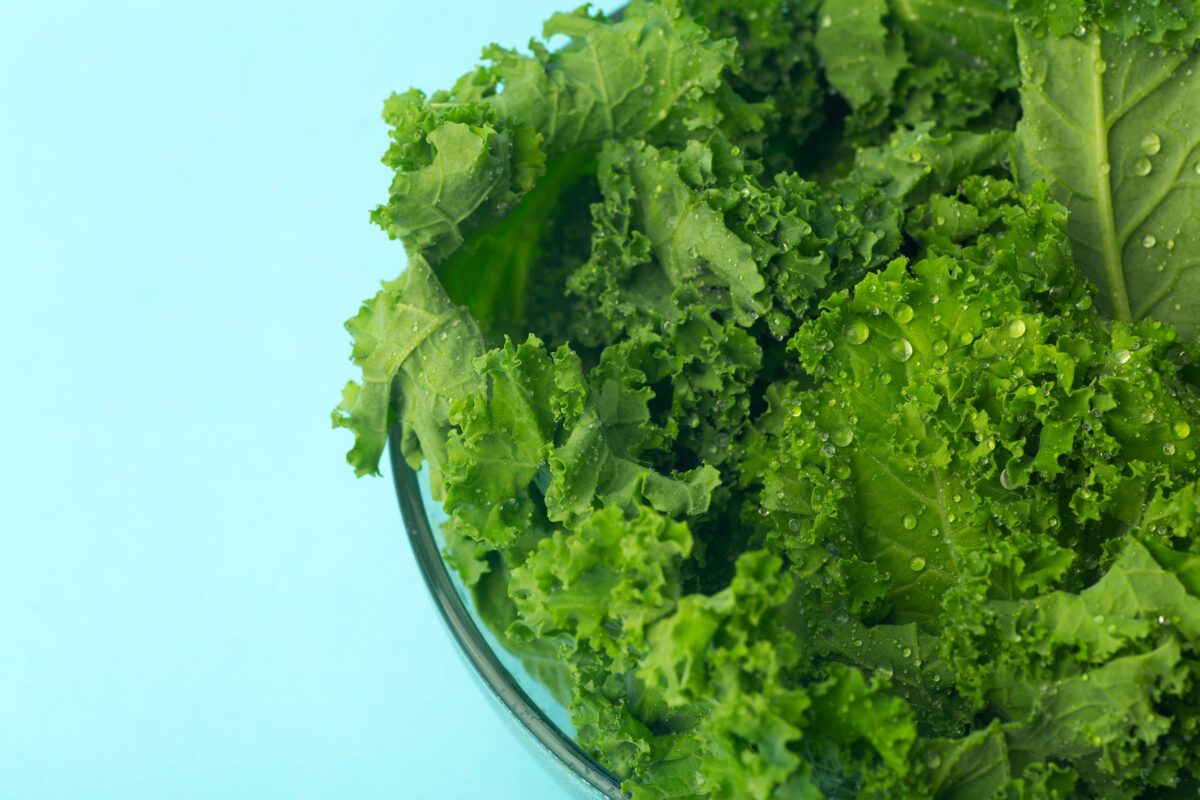
Let’s be honest,superfoods don’t always come with the most appetizing flavors. While many people rave about kale’s health benefits, not everyone enjoys eating it. The same goes for chia seeds, spirulina, and other so-called superfoods. Some of these foods have distinct tastes or textures that can be challenging to incorporate into meals without masking them with other ingredients.
For example, spirulina, which is a blue-green algae, is packed with protein and essential nutrients, but it has a very strong, fishy taste that can make it difficult for many to enjoy. Similarly, matcha, which has antioxidant properties, has a unique flavor that may not be to everyone’s liking. So while superfoods may be packed with nutrients, their taste and texture can be a dealbreaker for some.
Superfoods Aren’t Always Sustainable
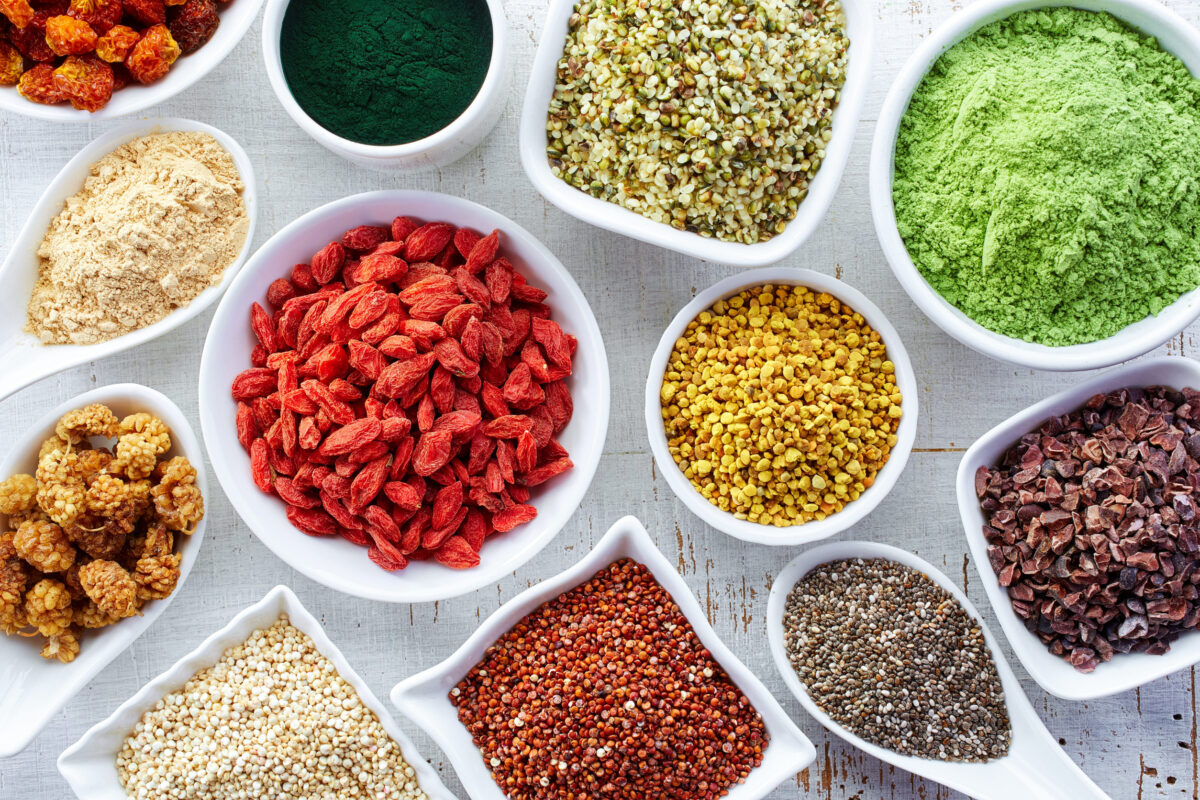
Many superfoods, especially those that are exotic or hard to come by, can have a significant environmental footprint. Consider the case of quinoa. While it’s often touted as a superfood due to its high protein content, the increasing global demand for quinoa has caused environmental concerns in the regions where it’s grown. The farming practices used to produce quinoa have led to soil depletion and other environmental impacts, raising questions about its sustainability.
Similarly, superfoods like acai and goji berries are often grown in regions that may not have sustainable agricultural practices. This highlights the importance of considering the sustainability of our food choices, as eating superfoods without accounting for their environmental impact may not align with a truly eco-conscious lifestyle.
Overconsumption Can Lead to Negative Effects
Another little-known fact about superfoods is that, like any food, they can be harmful if consumed in excess. Just because a food is deemed “super” doesn’t mean that it should be consumed in large quantities. For instance, goji berries are known for their high vitamin C content, but consuming too many can lead to digestive issues or an overload of certain vitamins. Similarly, while chia seeds are a great source of omega-3 fatty acids and fiber, eating too many can cause bloating and digestive discomfort.
It’s essential to practice moderation, even when eating nutrient-dense foods. Superfoods are meant to supplement your overall diet, not replace all other foods. A balanced approach, incorporating superfoods in reasonable amounts alongside other nutrient-rich foods, is key to reaping their benefits without overdoing it.
Not All Superfoods Are Created Equal
The quality of superfoods can vary greatly depending on how they are grown, processed, and consumed. Take, for example, the difference between fresh kale and kale chips. Fresh kale is a powerhouse of nutrients, but when it is processed into chips, it may lose some of its beneficial vitamins and minerals. Additionally, store-bought kale chips often contain added oils, preservatives, and salt, which can detract from their health benefits.
Similarly, superfoods like acai may lose some of their nutritional value when they are freeze-dried or packaged in products like acai bowls, which often contain added sugar. Therefore, when it comes to superfoods, it’s important to be mindful of their form and how they’re prepared. Fresh, whole foods generally offer the most nutritional value.
Superfoods Alone Won’t Prevent Disease

It’s tempting to think that eating a diet rich in superfoods will shield you from disease, but the reality is far more complex. While many superfoods are packed with disease-fighting nutrients, no single food can guarantee protection against chronic diseases. Preventing disease requires a comprehensive approach to health, which includes not only a nutrient-rich diet but also regular exercise, good sleep hygiene, stress management, and other healthy lifestyle choices.
Superfoods can certainly play a role in improving health, but they are not a substitute for other important aspects of wellness. It’s the overall lifestyle that matters most, not just the addition of a few “super” foods to your diet.
Conclusion
Superfoods are undoubtedly nutrient-rich, but they are not a cure-all. The myths and misconceptions surrounding these foods often overshadow their role in a balanced, healthy diet. While they offer significant health benefits, it’s essential to approach superfoods with a critical eye. They should be enjoyed in moderation, alongside a wide variety of other nutrient-dense foods, and within the context of an overall healthy lifestyle. And remember, the most “super” food is often just the one that works best for your body,whether it’s kale, spinach, or a humble apple. Embrace the benefits of these foods, but don’t expect them to work miracles on their own. After all, the true key to health lies in ba