You Might Be Smelling Bad Because of These 10 Common Foods
You might think body odor is simply a hygiene issue, something solved with soap, deodorant, and daily showers. But what if the real cause is quietly sitting on your plate? The truth is, body odor isn’t only about how clean you are, it’s also about what you eat.
Every bite you take goes through a complex process in your body, and some foods release compounds that can alter how you smell from the inside out. From sulfur-rich vegetables to everyday favorites like coffee and dairy, certain foods can subtly (or noticeably) change your natural scent in ways many people never consider.
Garlic
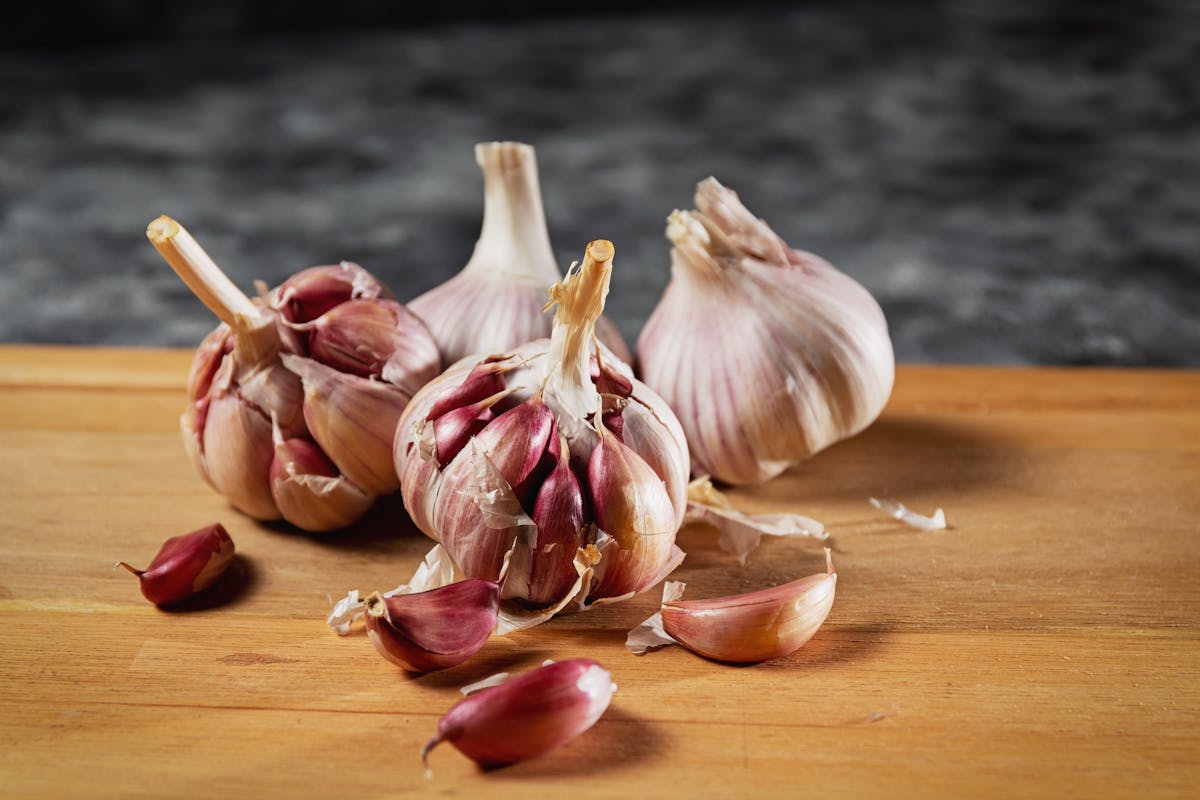
Garlic is known for its strong, aromatic fragrance, but it can also lead to potent body odor. The reason lies in the sulfur compounds found in garlic. When these compounds are digested, they are released into the bloodstream and exhaled through the skin and breath. Garlic’s sulfuric properties can make you smell more pungent, as it tends to linger longer in the body, especially after consuming it in large amounts.
Cruciferous Vegetables
Cruciferous vegetables like broccoli, cauliflower, and kale are packed with nutrients but can also contribute to body odor. These vegetables contain a sulfur compound called sulforaphane, which, when broken down during digestion, can result in an unpleasant odor. This effect can be particularly strong when these vegetables are consumed in large quantities.
Red Meat

Red meat, while a great source of protein and iron, can lead to unpleasant body odor. The reason? Digesting red meat requires more effort from the body, leading to increased sweating. Additionally, the amino acids and fats in red meat can produce odor-causing compounds such as ammonia when broken down.
Spicy Foods
Spicy foods like chili peppers, curry, and hot sauces can increase sweating and induce body odor. The heat from these foods stimulates the sweat glands, which can, in turn, lead to increased perspiration. While sweat itself is odorless, it can interact with bacteria on the skin, creating the distinctive body odor.
Alcohol

Alcohol, whether it’s wine, beer, or liquor, is another food group that can contribute to body odor. When alcohol is broken down in the body, it releases compounds that are expelled through the skin, often leaving a lingering smell. Additionally, alcohol can lead to dehydration, which thickens sweat and makes it more likely to stick to your skin, causing it to smell stronger.
Fish
Certain types of fish, such as tuna, salmon, and mackerel, are rich in omega-3 fatty acids, which are excellent for health but can cause body odor due to a compound called trimethylamine (TMA). This compound is responsible for the fishy odor, which can be excreted through the skin when consumed in large amounts. People with a genetic condition known as trimethylaminuria are more sensitive to this effect.
Processed Foods
Processed foods, from fast food to packaged snacks, can contribute to body odor due to the chemicals used in their production. Artificial preservatives, colorants, and flavor enhancers often require additional processing in the liver, which can result in odor-inducing byproducts being released through the skin. These byproducts can intensify and make your body odor more noticeable.
Coffee

Coffee is another culprit that can impact body odor in multiple ways. First, caffeine stimulates the sweat glands, leading to increased perspiration. Second, coffee’s strong aroma can contribute to breath odor, which, when combined with perspiration, can intensify body odor. The dehydrating effects of coffee also make your sweat thicker, which can result in a stronger scent.
Dairy Products
Dairy products like milk, cheese, and yogurt are known to cause body odor for some individuals, especially those who are lactose intolerant. The body’s difficulty digesting lactosecan lead to an imbalance in gut bacteria, resulting in the production of foul-smelling gases that can escape through the skin and into the breath. Additionally, high-fat dairy products can exacerbate body odor by increasing sweating.
High-Sugar Foods
Foods high in sugar, particularly refined sugars, can contribute to body odor by promoting yeast growth. This yeast can lead to infections or bacterial overgrowth, which can produce a foul odor. Additionally, high-sugar foods can cause blood sugar levels to spike, leading to increased perspiration and a greater likelihood of odor production.
Conclusion
Body odor is often treated as a surface-level problem, but as you can see, it can start much deeper, right from your diet. Foods like garlic, red meat, alcohol, and even healthy options like cruciferous vegetables and fish can influence how your body smells once they are broken down and released through sweat and breath.
This doesn’t mean you need to eliminate these foods, but being aware of how they affect your body allows you to make smarter choices, especially before social events or long days. Small adjustments, like balancing your meals, staying hydrated, and moderating certain foods, can go a long way in improving your natural scent.