7 Midwest Foods That Confuse the Rest of America
The Midwest is known for friendly people, wide-open farmland, and a deep love of hearty, home-cooked food. Church potlucks, county fairs, and family reunions are serious events, and the food served at them reflects generations of tradition. Many of these dishes came from German, Scandinavian, Czech, and other immigrant communities that settled the region.
To Midwesterners, these foods are completely normal. They grew up eating them at grandma’s house, in school cafeterias, and at every community gathering. But when people from other parts of the country encounter them for the first time, the reaction is often a puzzled look.
Some of these foods have unusual names, some have surprising ingredients, and some just look a little strange. Here are seven Midwest foods that confuse the rest of America, and why Midwesterners love them anyway.
1. Hotdish
In Minnesota and North Dakota, a casserole is called a hotdish. The classic version is made with ground beef, canned cream soup, and vegetables, topped with a layer of crispy tater tots. It is baked until bubbly and golden.
Hotdish is a staple at potlucks, church suppers, and funerals across the Upper Midwest. People from other regions often wonder why it is not just called a casserole. For Minnesotans, though, hotdish is a cherished part of their identity, and tater tot hotdish is the undisputed king.
2. Snickers Salad
In the Midwest, the word “salad” can mean something very different than it does elsewhere. Snickers salad is a popular potluck dish made with chopped Snickers candy bars, sliced apples, vanilla pudding, and whipped topping. It is sweet, creamy, and crunchy.
People from other parts of the country are often shocked to see a dessert like this served as a “salad.” Midwesterners just shrug. At many gatherings, these sweet salads are among the first dishes to disappear.
3. Cheese Curds
Wisconsin is famous for its cheese, and cheese curds are one of its most beloved treats. Fresh curds are small pieces of young cheddar cheese that squeak when you bite into them. Many Wisconsinites say the squeak is a sign of freshness.
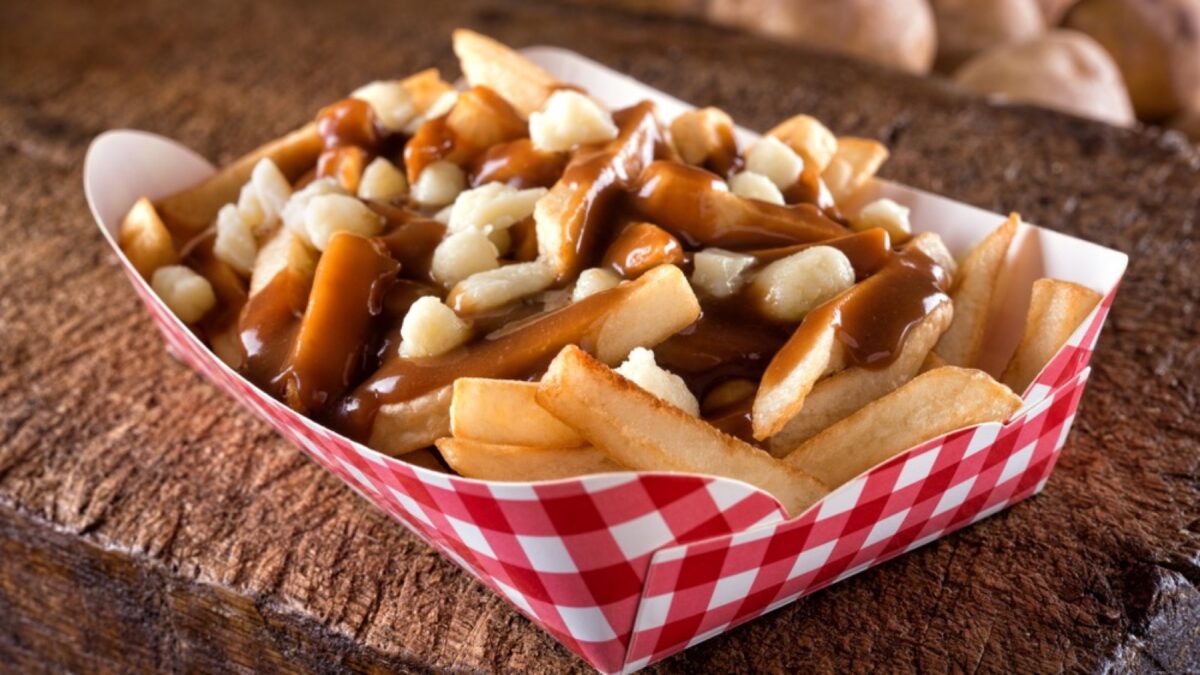
Cheese curds are eaten fresh as a snack or battered and deep-fried until gooey and golden. People from other states are often confused by the squeaky texture. Once they try fried cheese curds, though, many become instant fans.
4. Loose Meat Sandwiches
The loose meat sandwich is an Iowa favorite. It is made with seasoned ground beef that is cooked loose rather than formed into a patty, then piled onto a hamburger bun with mustard, pickles, and onions. It is similar to a sloppy joe, but without the tomato sauce.
The Maid-Rite restaurant chain, founded in Iowa in 1926, helped make loose meat sandwiches famous. People from other regions are often confused by the crumbly sandwich, which can be messy to eat. Iowans, however, love its simple, savory flavor.
5. Runza
The runza is a Nebraska specialty. It is a soft bread pocket filled with seasoned ground beef, onions, and cabbage, then baked until golden. The dish came to the region with German-Russian immigrants and has been a local favorite for generations.
Nebraska even has a restaurant chain called Runza, which sells the sandwiches across the state. People from outside Nebraska often have no idea what a runza is. For Nebraskans, especially Husker football fans, it is a game-day tradition.
6. Pork Tenderloin Sandwich
In Indiana and Iowa, the breaded pork tenderloin sandwich is a beloved classic. A piece of pork loin is pounded thin, breaded, and fried until crispy. It is served on a hamburger bun, but the tenderloin is often much bigger than the bun, sometimes two or three times as wide.
Visitors are often amazed by the size of the sandwich and confused about how to eat it. Many locals simply tear off the edges and eat them first. The sandwich is a staple at diners, county fairs, and family restaurants across the region.
7. Toasted Ravioli
St. Louis is famous for toasted ravioli, which is actually not toasted at all. The ravioli are breaded and deep-fried until crispy, then sprinkled with Parmesan cheese and served with marinara sauce for dipping. The dish is believed to have originated in the city’s Italian American neighborhood known as The Hill.
People from other regions are often confused by the name and the idea of fried ravioli. But toasted ravioli is a beloved appetizer in St. Louis, served in restaurants across the city. Many visitors leave as converts.
Where These Foods Came From
Many Midwest favorites have roots in the region’s immigrant communities and small-town traditions. The loose meat sandwich, for example, became famous thanks to Fred Angell, a butcher in Muscatine, Iowa, who opened the first Maid-Rite shop in 1926, a story Quad Cities public radio station WVIK has told. The chain still operates in parts of the Midwest today.
Other dishes, like the runza, came with German-Russian immigrants who settled the Great Plains. Cheese curds reflect Wisconsin’s long history of dairy farming. Hotdish grew out of church potlucks, where cooks needed affordable dishes that could feed a crowd.
These foods continue to bring Midwestern communities together. County fairs, church suppers, and family reunions are still where many of them shine. Midwesterners often say that the food tastes best when it is shared. Like many regional favorites, including the classic Southern dishes with deep roots, they tell the story of the people who made them. And if you are planning to taste them for yourself, a list of the most fun roadside attractions can help you plan the perfect road trip.
A Region of Comfort Food
These Midwest foods reflect the region’s immigrant heritage, farming traditions, and love of community gatherings. They are hearty, comforting, and made to feed a crowd. While they may confuse outsiders, they are deeply loved by the people who grew up with them.
Grab a tenderloin sandwich, a bag of cheese curds, or a slice of hotdish at the next potluck. You might just become a Midwest food fan for life.