Best Canned Foods to Keep in Your Pantry
Canned food gets a bad rap.
For some people, the words “canned food” immediately bring to mind salty soup, mushy vegetables, or mysterious emergency rations sitting in the back of a cupboard since 2017.
But a well-stocked pantry tells a very different story.
The right cans can help you throw together dinner when the fridge is nearly empty, stretch your grocery budget, add protein and fiber to meals, and keep useful ingredients around for months or even years. And canned foods aren’t automatically less nutritious than fresh ones. Canning can reduce some vitamin C and B vitamins, but it preserves many other nutrients, including minerals, protein, fiber, fat, carbohydrates, and fat-soluble vitamins.
The trick is choosing ingredient-style canned foods rather than relying heavily on ready-made entrées.
Here are some cans worth making permanent pantry residents.
Beans
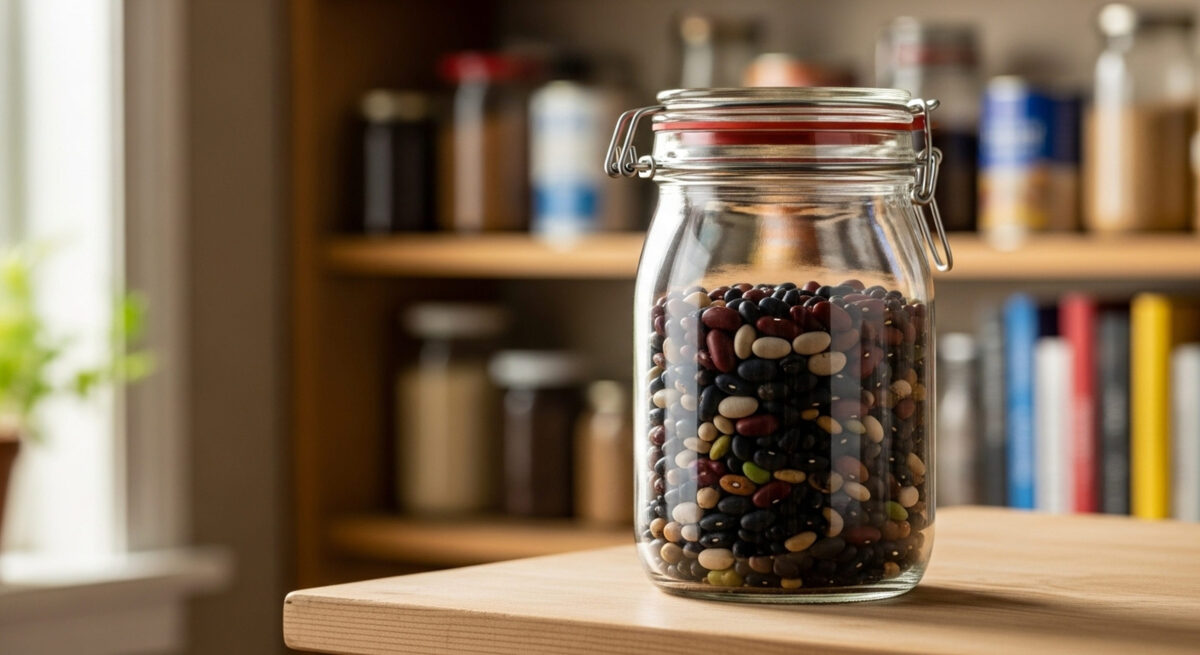
If your pantry has room for only one category of canned food, beans make a strong case.
Black beans, kidney beans, chickpeas, cannellini beans, and pinto beans provide plant protein, fiber, iron, folate, potassium, and complex carbohydrates. Better still, they can go almost anywhere.
Think tacos, salads, grain bowls, chili, soups, quesadillas, pasta, hummus, and bean burgers.
For maximum flexibility, buy plain varieties labeled “no salt added” or low sodium. If you have regular beans, draining and rinsing them under running water can meaningfully reduce sodium.
Canned Tomatoes
Canned tomatoes are basically the pantry equivalent of a kitchen assistant.
A can of diced, crushed, whole, or puréed tomatoes can become pasta sauce, chili, curry, soup, salsa, shakshuka, stew, or braised beans with very little effort.
There’s also an interesting nutritional twist: heat processing can make lycopene, an antioxidant found in tomatoes, more bioavailable.
Keeping several types helps. Crushed tomatoes work beautifully in sauces, diced tomatoes are handy for soups and chili, while tomato paste adds concentrated flavor.
Fresh tomatoes may win for salads. For a reliable Tuesday-night sauce, canned tomatoes are hard to beat.
Canned Salmon

Need dinner protein without defrosting anything? Open a can of salmon.
Canned salmon provides protein, EPA and DHA omega-3 fats, vitamin D, and B vitamins. Varieties with soft, edible bones add another bonus: calcium.
Turn it into salmon cakes, toss it into pasta, add it to scrambled eggs, make a rice bowl, or mix it into a quick salad.
Just remember that sodium varies by brand, so compare labels when possible.
Tuna

Tuna earns its pantry status because it’s mild, familiar, quick, and almost impossible to overcomplicate.
A can can become tuna salad, a sandwich, a melt, pasta, patties, stuffed potatoes, casseroles, wraps, or rice bowls in minutes.
Water-packed tuna is generally lower in calories, while oil-packed tuna offers more richness and flavor. Lower-sodium options are useful if you eat canned fish regularly.
It’s also smart to rotate tuna with other seafood such as salmon and sardines rather than relying on one type of fish all the time.
Lentils
Love lentils but hate waiting for them to cook?
That’s where canned lentils shine.
They deliver plant protein, fiber, folate, iron, and potassium, but they’re already cooked and ready to use. Add them to curry, pasta sauce, grain bowls, salads, shepherd’s pie, taco filling, or soup.
They’re also excellent for stretching meat. Add lentils to ground beef or turkey in chili or pasta sauce, and suddenly one package of meat goes much further.
Sardines
Sardines may be the most divisive can on this list.
You either see them and think, “Excellent,” or quietly back away.
Nutritionally, though, they bring a lot to the table: protein, omega-3 fats, vitamin B12, vitamin D, selenium, iron, and calcium when you eat the softened bones. A 100-gram serving provides roughly 382 mg of calcium according to USDA-derived data cited in peer-reviewed research.
Try sardines on toast, stirred into tomato pasta, mashed into spreads, or served over rice.
The flavor is stronger than tuna, but that’s exactly what fans love.
Related:Why Food Experts Advise Against Adding Mayo to Tuna Sandwiches
Low-Sodium Broth
Broth isn’t a complete meal, but it can turn random ingredients into one.
Rice with broth becomes better rice. Beans with broth and vegetables become soup. Leftover chicken, noodles, and broth can quickly become dinner.
Low-sodium broth gives you more control over seasoning. That matters because “reduced sodium” and “low sodium” aren’t the same. Under FDA labeling rules, low sodium means 140 mg or less per serving, while reduced sodium simply means at least 25% less sodium than the regular reference product.
Canned Chicken
Canned chicken may not have the glamour of roasted chicken straight from the oven, but glamour is overrated at 6:30 p.m. when everyone wants dinner.
It’s a neutral, ready-to-use complete protein that works in tacos, chicken salad, soup, curry, pasta, casseroles, enchiladas, and pot pie.
Look for chicken packed in water and compare sodium levels. Texture can be softer than freshly cooked chicken, so it works especially well in dishes where it gets mixed with sauces, seasonings, or other ingredients.
Canned Vegetables
Corn, peas, green beans, carrots, spinach, and beets make excellent emergency backup produce.
Yes, canned vegetables are often softer than fresh or frozen vegetables. But they’re already cooked, require no freezer space, and can sit patiently in your pantry until needed.
Choose no-salt-added versions where possible, and drain and rinse regular varieties when appropriate.
Corn is particularly useful in tacos, chili, salsa, chowder, salads, and casseroles, while peas slip easily into pasta, curry, fried rice, and soups.
Fruit Packed in Water or Juice
Fresh fruit is wonderful until you discover the berries you bought four days ago have begun their journey back to nature.
Canned fruit gives you a dependable backup.
Peaches, pears, pineapple, mandarin oranges, and applesauce can work in breakfasts, snacks, smoothies, baking, desserts, and even savory dishes.
For everyday use, choose fruit packed in water, its own juice, or 100% juice, and look for unsweetened applesauce. Heavy syrup adds extra sugar without making the fruit more nutritious.
The Bottom Line
The best canned foods aren’t necessarily fancy. They’re useful.
Beans, tomatoes, fish, lentils, broth, chicken, vegetables, and fruit give you building blocks for actual meals, not just something to eat when the power goes out.
One final rule: read the label. Compare sodium, added sugars, serving sizes, and packing liquids. And buy foods your household will genuinely use.
Because the healthiest can in the world isn’t particularly helpful if it spends five years gathering dust behind the pasta.