10 Online Habits Destroying Your Attention Span Faster Than You Realize
Your phone may not feel dangerous, but it can quietly turn your brain into a room full of open tabs. Across the US and UK, people are already dealing with inflation stress, long workdays, burnout, rising bills, and relationship pressure, so every small distraction hits harder than it used to.
The problem is that many online habits feel normal, even helpful, until you realize you can barely finish a task without checking something.
Checking Your Phone the Second You Wake Up

Starting your morning with notifications puts your brain in reaction mode before the day even begins. You may think you are just checking messages, but you are also letting emails, news, bills, and social drama choose your mood. That early scroll can make work, school, parenting, and daily errands feel heavier. Your focus gets pulled apart before you have even had breakfast.
Jumping Between Apps Every Few Minutes
Switching from TikTok to Instagram, then to email, then to news, then back to texts trains your brain to expect constant change. It makes even important tasks feel too slow. This is why reading, budgeting, studying, or replying to work messages can suddenly feel boring. Your mind starts craving the next hit of movement.
Keeping Too Many Browser Tabs Open
A screen full of tabs may look productive, but it often creates quiet mental pressure. Each open page reminds you of something unfinished. That small stress adds up, especially when you are already managing cost-of-living worries, work deadlines, or family needs. Your brain keeps trying to track everything at once, and focus becomes harder.
Reading Bad News All Day

News updates can feel necessary, especially when prices, politics, crime, health stories, and global events affect everyday life. The problem starts when checking the news becomes a loop. Too much bad news can keep your body on edge. Even when nothing is happening to you directly, your brain starts acting like danger is always nearby.
Answering Messages Immediately
Fast replies can make you seem responsible, but they can also destroy deep focus. Every ping pulls your attention away from what you were doing. Over time, people may start expecting instant access to you. That pressure can hurt work performance, relationships, rest, and even your sense of peace.
Using Social Media During Short Breaks
A quick scroll during lunch or between tasks may seem harmless. But social media does not always give your brain a real break. Instead of resting, you end up comparing your life, reading arguments, watching ads, or seeing people show off lifestyles that feel far from your own. That can leave you more tired than before.
Watching Videos While Doing Everything Else
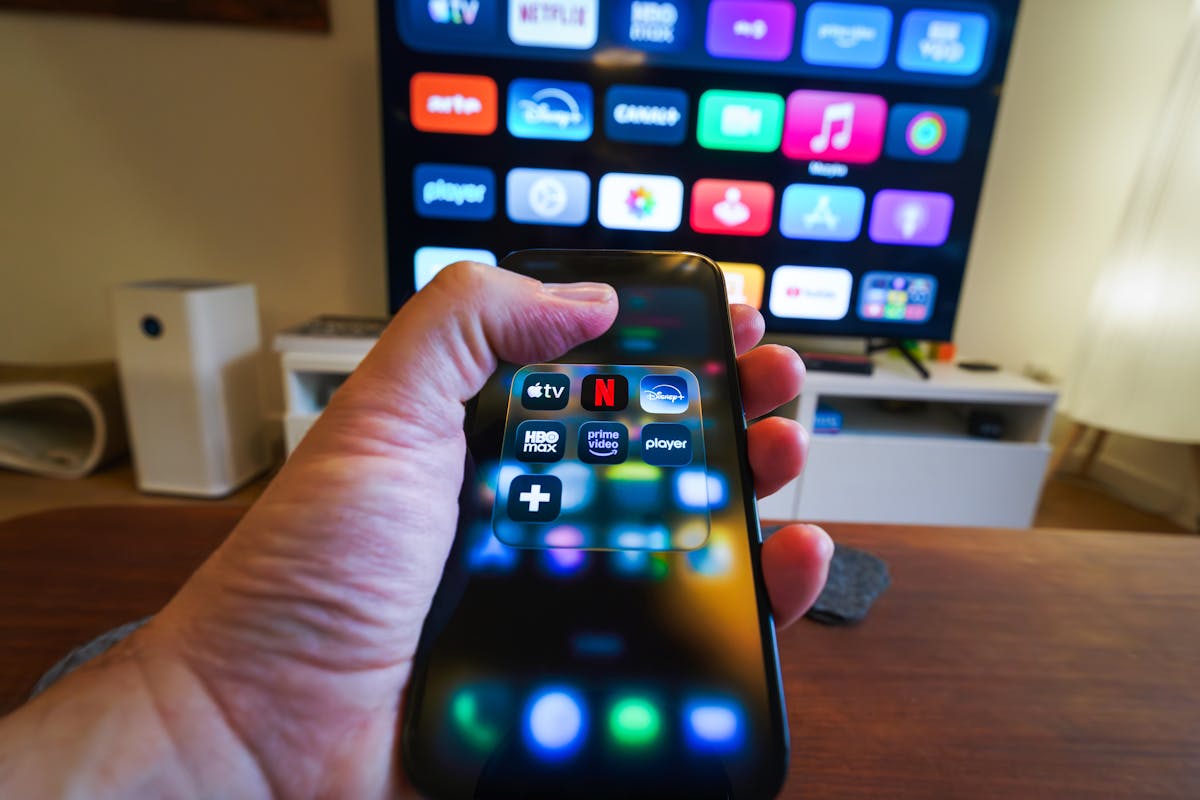
Many people now cook, clean, eat, work, and even talk to others with videos playing in the background. It feels comforting, but it can weaken your ability to stay present. Your brain gets used to constant noise. Quiet moments begin to feel uncomfortable, and simple tasks feel empty without a screen nearby.
Checking Work Email After Hours
Remote work, side hustles, and financial pressure have blurred the line between home and work. Checking email at night may feel like staying ahead, but it can keep your stress switched on. Your brain needs time to stop scanning for problems. Without that break, burnout becomes easier to ignore until it starts affecting your sleep, patience, and focus.
Falling Into Online Arguments
Comment sections can make you feel involved, but most online arguments drain energy without solving anything. You may log in for a quick look and leave angry, tense, or distracted. That emotional spike follows you into real life. It can affect your mood at work, your patience with family, and your ability to think clearly.
Letting Algorithms Choose Your Free Time

Streaming apps, shopping sites, and social feeds are built to keep you clicking. Before long, your free time is no longer in your control. This matters because attention is now one of the most valuable things you have. When algorithms guide every spare minute, your focus, money habits, and mental health can slowly take a hit.
Conclusion
Most focus problems do not start with one big mistake. They often come from small online habits that repeat every day, leaving your brain feeling scattered, tired, and restless. In 2026, protecting your attention is not just about productivity. It is about keeping your peace in a world that keeps asking for one more click.