10 Scariest Prisons in the U.S.
America’s prison system has places that feel less like buildings and more like warnings. Some are feared because of their isolation.
Others carry the weight of riots, executions, violence, death row history, or decades of grim headlines. The prisons below are not ranked by a single measure. They stand out because of their security level, reputation, conditions, history, or the emotional weight their names carry in American culture.
ADX Florence, Colorado
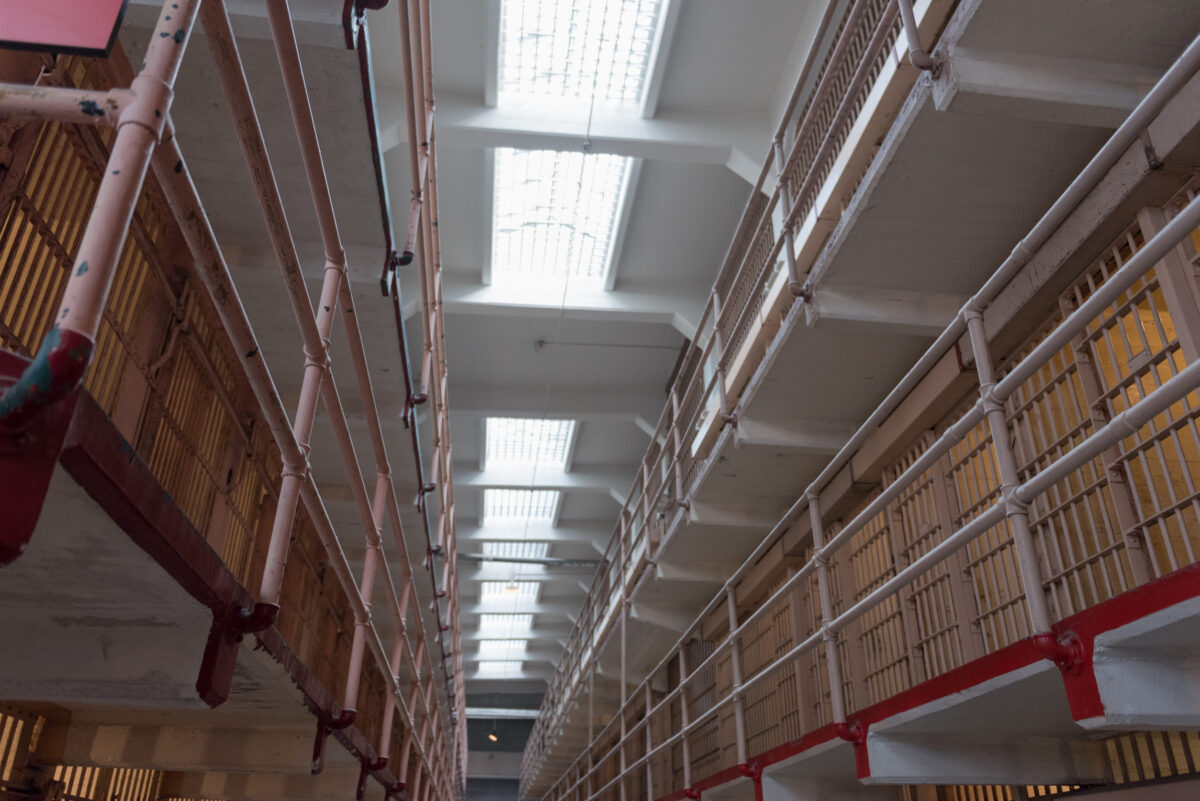
ADX Florence is often called the toughest federal prison in America, and for good reason. The Federal Bureau of Prisons lists it as USP Florence ADMAX, an administrative maximum security penitentiary, and the BOP describes ADX as separate from ordinary administrative facilities because of its extreme security role.
This is where the federal system sends some of its most dangerous and high-risk inmates. The fear factor here comes from isolation. The walls, doors, routines, and restrictions are built to limit movement and contact. It is the kind of place where silence itself becomes part of the punishment.
Pelican Bay State Prison, California
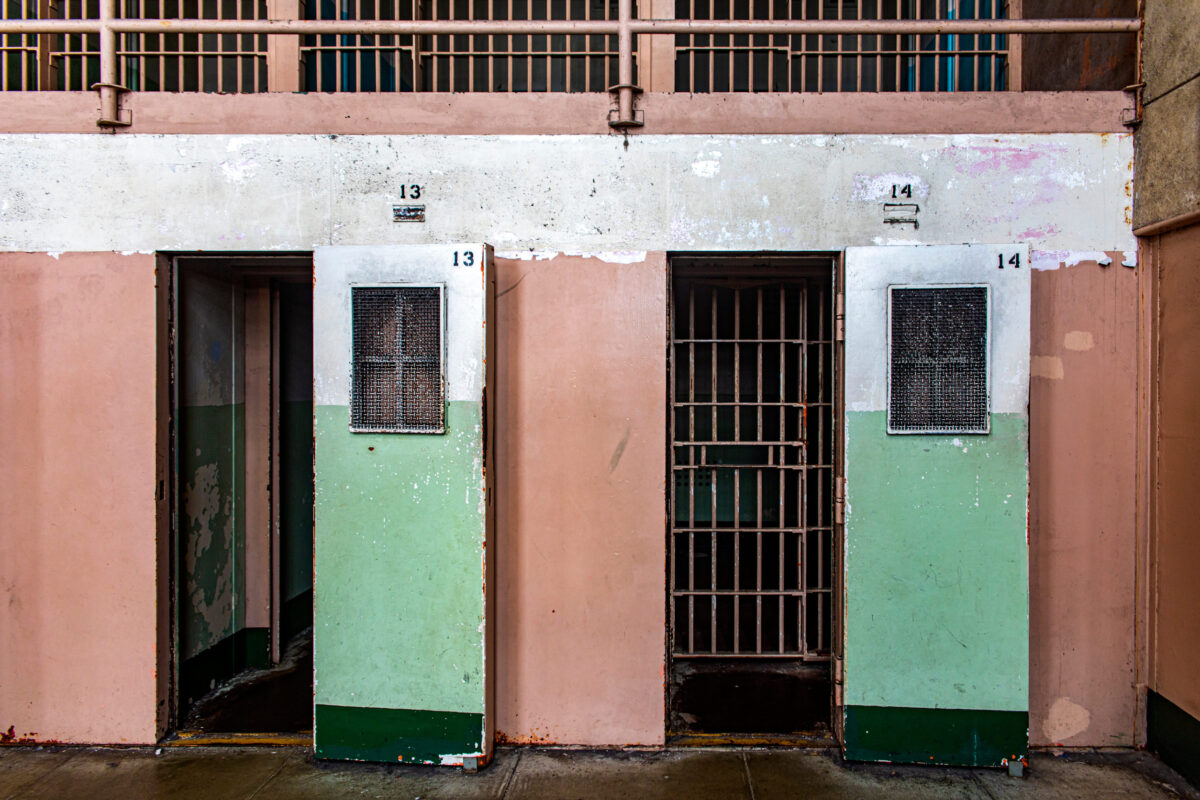
Pelican Bay sits far up in Crescent City, California, away from the glamour most people associate with the state. The California Department of Corrections and Rehabilitation identifies it as a major state prison facility, and its reputation has long been tied to high security housing and gang management.
What makes Pelican Bay frightening is not just the prison’s location. It is the image people have of its hardest units, where confinement, control, and separation shaped the public imagination for years. For many Americans, Pelican Bay became a symbol of how cold prison life can feel when every inch of space is designed around control.
Mississippi State Penitentiary at Parchman, Mississippi
Parchman has one of the darkest reputations in American corrections. The Justice Department announced in 2022 that Mississippi had reasonable cause to believe conditions at Parchman violated incarcerated people’s constitutional rights, citing unsafe conditions, inadequate mental health care, excessive use of restrictive housing, and failure to protect people from violence.
That history makes Parchman scary in a different way. It is not only about locked doors or guard towers. It is about what happens when a prison becomes known for danger inside its own walls. The name carries a heavy Southern echo, filled with fear, neglect, and institutional decay.
Louisiana State Penitentiary, Angola
Angola is massive, remote, and legendary. Louisiana’s Department of Public Safety and Corrections lists it as the Louisiana State Penitentiary, and the facility is widely known as one of America’s most imposing prison complexes.
Its fear comes from scale and history. Angola sits on land that once held a plantation, and that past makes the prison’s modern image even more haunting. The idea of being swallowed by a huge prison farm in rural Louisiana gives Angola a psychological weight few facilities can match. It feels like a place where distance itself becomes part of the sentence.
Attica Correctional Facility, New York

Attica is one of the most famous prison names in America. New York’s Department of Corrections and Community Supervision identifies Attica as a maximum security facility for men, and the prison’s reputation remains inseparable from the 1971 uprising that became one of the most significant prison events in U.S. history.
What makes Attica scary is memory. Some prisons are feared because of what they are now. Attica is feared because of what it represents. Its name still brings images of tension, rebellion, state force, and the terrifying moment when prison walls became national news.
USP Terre Haute, Indiana
USP Terre Haute is a high-security federal penitentiary, but its scariest association comes from the federal death penalty. The Bureau of Prisons notes that federal executions resumed in 2001 at the Special Confinement Unit built at USP Terre Haute.
That gives the prison a uniquely grim place in the American imagination. It is not just a place of long sentences. It is a place tied to the final edge of federal punishment. The presence of death row history makes the facility feel colder, heavier, and more final than many other high-security prisons.
Holman Correctional Facility, Alabama
Holman Correctional Facility has a reputation that feels hard and unforgiving. Alabama’s Department of Corrections states that Holman is the state’s primary facility for housing death row inmates and the only Alabama facility that carries out executions.
That fact alone gives Holman a chilling identity. A prison can feel frightening because of violence, isolation, or history, but execution chambers create a different kind of fear. Holman is tied to the machinery of death itself. Its name sits at the end of Alabama’s harshest criminal sentences.
San Quentin Rehabilitation Center, California

San Quentin has a strange double image. On the one hand, California has rebranded it as the San Quentin Rehabilitation Center and moved toward a more rehabilitative model. On the other side, it remains one of the most famous prison sites in America. CDCR says it is phasing out segregated death row units at San Quentin under the Condemned Inmate Transfer Program.
That transition does not erase the old shadow. San Quentin’s history includes decades of condemned housing, national headlines, and a location that feels almost cinematic beside the San Francisco Bay. It is scary because the past still clings to the walls, even as the institution tries to become something new.
Menard Correctional Center, Illinois
Menard looks and feels like an old fortress. The Illinois Department of Corrections describes Menard as the state’s largest maximum security adult male facility, established in 1878 on the banks of the Mississippi River.
That age matters. Older prisons often carry an atmosphere newer buildings cannot copy. Menard’s size, history, and maximum security mission give it a heavy, stone-cold presence. It feels like the kind of prison that belongs in a black-and-white photograph, except it is still part of the modern correctional system.
Folsom State Prison, California
Folsom is famous partly for its music, partly for its crime history, and partly because its name sounds like prison. CDCR describes Folsom State Prison as California’s second-oldest prison and one of the nation’s first maximum security prisons built after the California Gold Rush.
The scary part is the myth and the reality working together. Folsom has been part of American culture for generations as a symbol of hard times. Even people who know little about prisons know the name. That kind of reputation turns a facility into something larger than brick, bars, and fences.
Conclusion
The scariest prisons in the U.S. are not scary for the same reason. ADX Florence terrifies because of isolation. Parchman is feared due to documented failures and violence. Angola feels haunting because of its size and history. Attica carries the echo of rebellion. Terre Haute and Holman sit close to the finality of executions.
Together, these prisons show the many faces of fear inside America’s correctional system. Some are feared for the people they hold. Some are feared for what happened there. Others are feared because their names have become symbols of punishment pushed to its harshest edge. In the end, the scariest prison is not always the loudest one. Sometimes it is the place where silence, history, and concrete all seem to close in at once.