8 Most Dangerous Countries in the World Right Now That You Should Never Underestimate
The world is full of places that feel unpredictable, but some countries push the boundaries of danger further than anywhere else. From active war zones to regions wracked by crime, political instability, and social collapse, life in these countries can shift in an instant. Understanding the realities of these high-risk environments is not just about geography; it’s about the human cost, the daily uncertainty, and the invisible forces shaping millions of lives. What follows is a breakdown of the eight most dangerous countries on Earth right now, where caution is not an option but a survival strategy.
These countries are dangerous in different ways,some because of active wars, others because of systemic violence and lawlessness. Some challenges are immediate and physical, like bombings and armed attacks, while others are slow-moving yet no less deadly, including famine, disease, and infrastructural collapse. Together, these eight nations paint a stark picture of global instability in 2026.
Russia
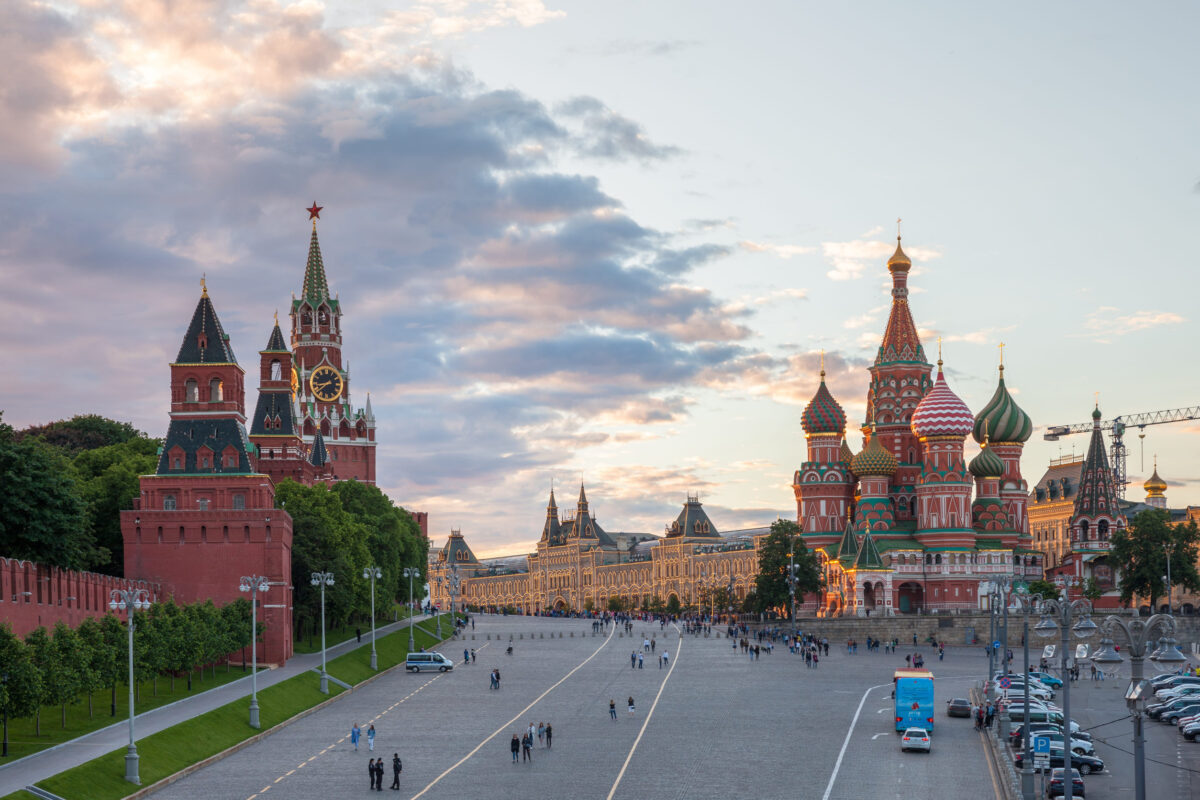
Russia’s danger is not abstract; it’s tied to a sprawling conflict that dominates global headlines. The war in Ukraine has reshaped the security landscape not just abroad but within Russia itself, creating an atmosphere of heightened militarization, political repression, and international tension. Everyday life is shadowed by uncertainty, with citizens adapting to sanctions, restricted freedoms, and the pervasive presence of military influence.
For travelers, businesspeople, and locals alike, the risks are multifaceted. From international isolation to the consequences of political dissent, Russia’s present climate underscores how rapidly a state’s geopolitical actions can ripple through civilian life. Survival and normalcy are constantly recalibrated against the backdrop of a nation at war.
Ukraine

Ukraine bears the brunt of Russia’s military campaign, leaving large swaths of its territory devastated. Cities near the frontline experience daily artillery, air raids, and the constant threat of invasion. Millions have been displaced, relying on humanitarian aid while navigating a landscape scarred by conflict and destruction.
Even outside direct combat zones, the effects ripple across Ukrainian society. Supply chains are disrupted, infrastructure is fragile, and citizens live with a pervasive sense of unpredictability. In Ukraine, danger is both overt and persistent, affecting everything from healthcare to everyday routines.
Sudan
Sudan remains a country where violence and civil strife have become part of daily life. Rival military factions continue to clash, with the capital and key regions often serving as battlegrounds. Ethnic tensions, resource disputes, and weak governance create a volatile mix that leaves ordinary civilians in constant jeopardy.
The humanitarian crisis in Sudan is compounded by food insecurity and displacement. Citizens are forced to navigate both immediate threats of violence and long-term instability that erodes social cohesion. Every day carries the potential for disruption, forcing communities to adapt continuously to survive.
Democratic Republic of the Congo

The Democratic Republic of the Congo is vast, resource-rich, and perilously unstable. Armed groups operate with impunity in eastern regions, ambushing civilians, looting villages, and undermining governance structures. Chronic insecurity shapes life across communities, making predictable routines nearly impossible.
Beyond the immediate threat of violence, systemic issues like limited law enforcement, poor infrastructure, and social fragmentation compound danger. Residents must navigate a landscape where both conflict and crime are deeply embedded in daily existence, creating a persistent atmosphere of fear and uncertainty.
Yemen
Yemen epitomizes the human cost of prolonged conflict. Years of civil war have left cities in ruins, cutting off access to essential services and fueling widespread famine. Militias and shifting political powers control territory, creating a complex web of danger for civilians caught in the middle.
Daily life in Yemen involves navigating not only bombings and armed attacks but also famine, disease, and infrastructural collapse. The combination of direct violence and humanitarian crises makes Yemen one of the most perilous environments on the planet.
Afghanistan
Afghanistan’s challenges are both historical and ongoing. With the Taliban in power and terrorist organizations still active, security remains fragile and unpredictable. Violence, bombings, and targeted attacks are common in many regions, while political repression shapes social and civic life.
The intersection of terrorism, weak governance, and economic hardship makes Afghanistan a place where daily survival requires constant vigilance. Ordinary routines are disrupted by checkpoints, security operations, and unpredictable conflict zones, embedding danger into the very fabric of life.
Syria
Syria’s war has officially waned in intensity, but danger persists. Fragmented control, militias, and insurgent activity continue to plague the country. Cities are divided into factions, creating a patchwork of security risks and rendering civilian movement highly precarious.
Even where fighting has slowed, residents face crime, militia reprisals, and the lingering effects of years of devastation. For Syrians, danger is both a lived experience and a structural reality, with the shadow of war shaping every decision.
South Sudan
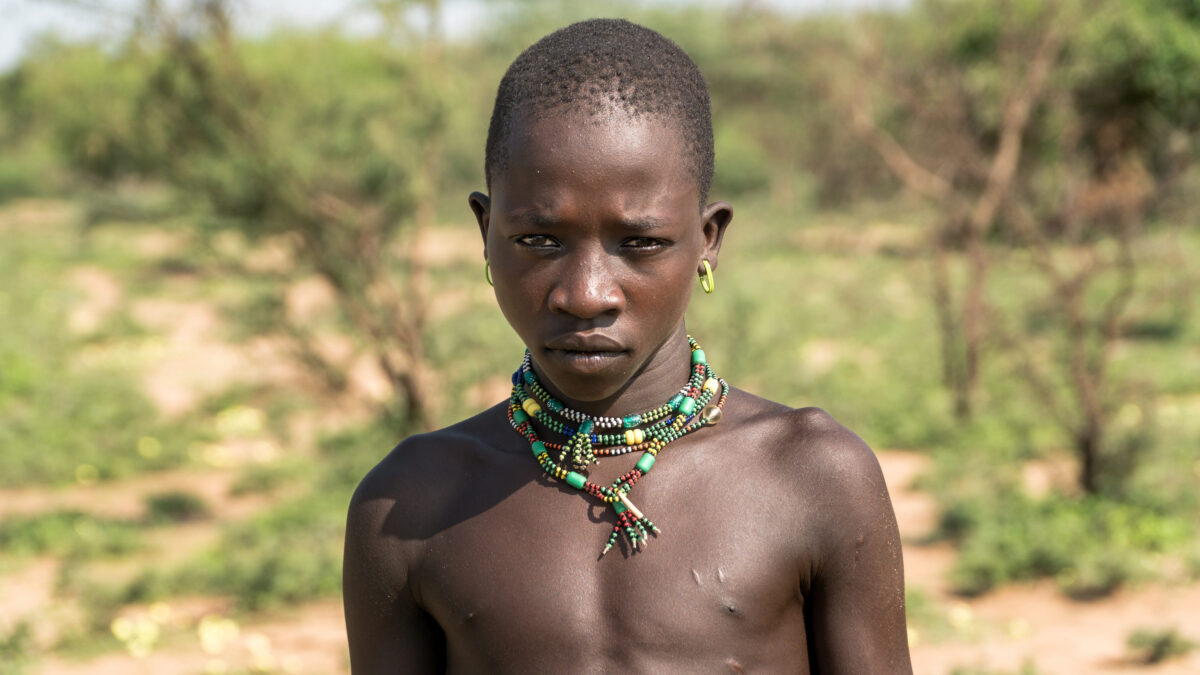
South Sudan’s independence promised hope but delivered cycles of violence. Inter-ethnic clashes, militia attacks, and disputes over resources define much of the country. The state’s weak governance leaves communities largely to fend for themselves in a climate of fear and instability.
Life in South Sudan is a daily exercise in survival, with violence, displacement, and scarcity dictating ordinary existence. Structural danger is embedded in social and political systems, making risk a constant companion for millions of citizens.
Conclusion
These eight countries illustrate the spectrum of danger that exists across the globe in 2026. From high-intensity warfare in Russia and Ukraine to protracted civil conflicts in Yemen, Sudan, and Syria, each presents unique risks shaped by political, social, and historical forces. Meanwhile, nations like Afghanistan, the Democratic Republic of the Congo, and South Sudan highlight how governance failures and systemic violence can make daily life precarious even without active battles.
Understanding danger in these countries is more than recognizing headlines; it is acknowledging the human realities beneath the statistics. Millions of civilians navigate life with resilience, creativity, and courage amid relentless threats. Examining these places reminds the world that danger is not abstract; it is lived, measured in the survival, adaptation, and courage of those who endure it every day.