Bernie Sanders Targets Super PACs in Democratic Primaries After a $30 Million Gamble Ends in Defeat
Money was supposed to shape Michigan’s Democratic Senate primary, but voters delivered a more complicated verdict. Now Bernie Sanders wants super PACs in Democratic primaries pushed out before another multimillion-dollar political battle erupts. His demand comes as outside organizations pour unprecedented sums into races that determine who represents the Democratic Party. The fight raises a larger question about how much influence wealthy interests should possess before voters even reach a general election.
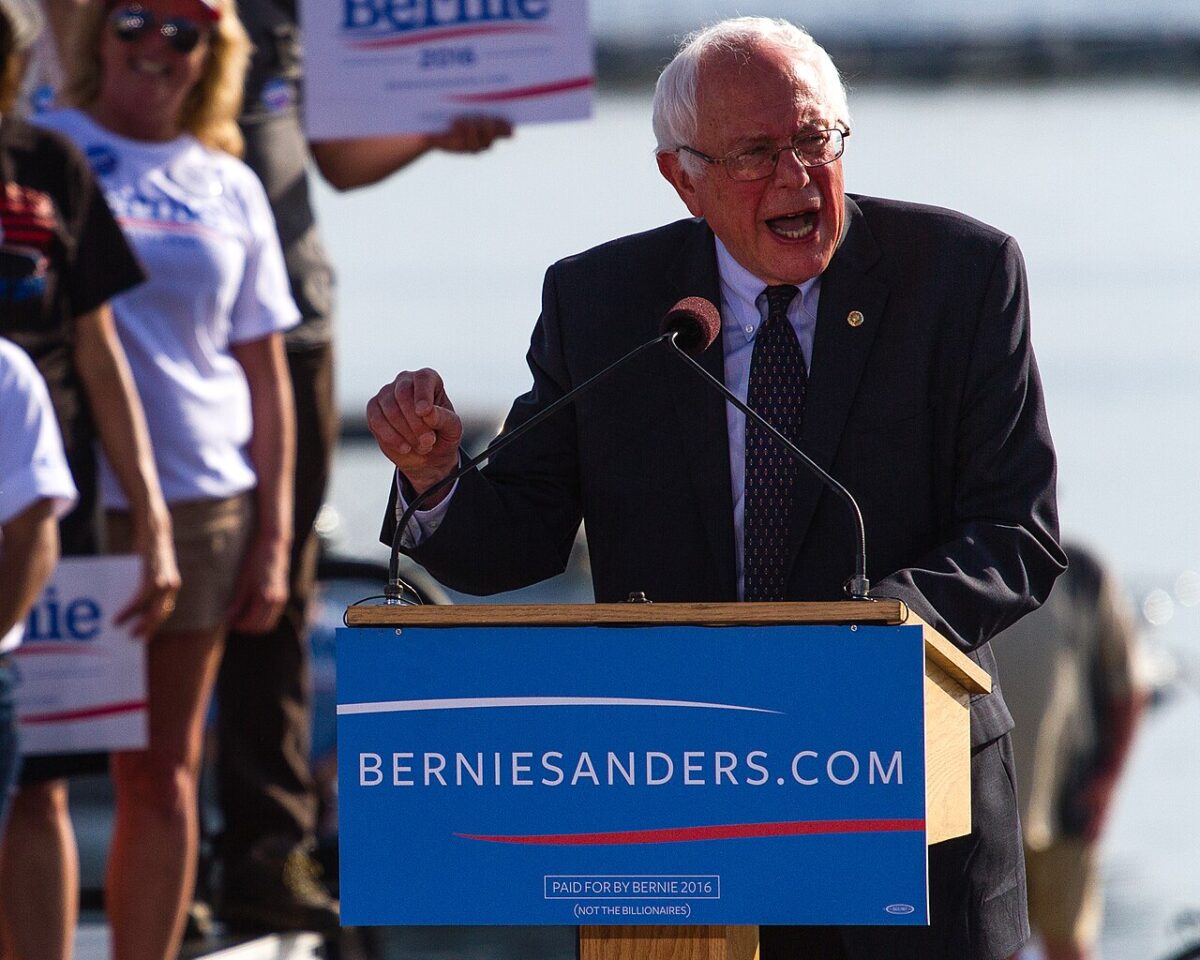
Sanders, the independent Vermont senator who caucuses with Democrats, directed his challenge at Senate Democratic Leader Chuck Schumer, House Democratic Leader Hakeem Jeffries, and Democratic National Committee Chairman Ken Martin. In an August 8 letter, Sanders called the existing campaign finance structure corrupt and urged Democratic leaders to act. His immediate example came from Michigan, where outside groups spent tens of millions of dollars trying to shape a Democratic Senate primary. The spending was extraordinary, but the result did not follow the money.
Sanders says corporate-backed super PACs have already spent more than $517 million during the 2026 election cycle. In Michigan, AIPAC-linked groups spent more than $30 million supporting Rep. Haley Stevens and opposing progressive Abdul El-Sayed. Outside spending benefiting Stevens eventually climbed above $50 million. El-Sayed still won, turning the race into a striking case study about money, influence, and the limits of both.
When $30 Million Still Cannot Deliver Victory
Michigan offered campaign finance reformers an unusually clear political test. United Democracy Project, the super PAC affiliated with AIPAC, poured more than $30 million into the Democratic Senate contest. Other groups also supported Stevens, creating an overwhelming outside financial advantage. The race quickly became one of the most expensive and heavily influenced Democratic primaries of the 2026 cycle.
The investment still failed to secure Stevens the nomination. El-Sayed defeated her despite facing tens of millions of dollars in outside spending designed to weaken his campaign. His margin was narrow, but the political message was difficult to miss. Enormous spending can dominate a race without controlling its final result.
That distinction strengthens Sanders’ argument rather than weakening it. His criticism is not that political money guarantees victory every time. His concern is that wealthy organizations can heavily influence what voters hear, which issues dominate the conversation, and which candidates spend their time defending themselves. Even when the favored candidate loses, outside spending can reshape the entire campaign.
Michigan Became a Test of Money Against Organization
El-Sayed’s victory mattered beyond one Senate nomination. Michigan remains one of the most important battleground states in American politics, and Democrats are fighting to retain influence in the Senate. The primary therefore became a national proxy battle over the party’s ideological direction. Progressives and establishment Democrats were not merely choosing a nominee; they were testing competing political strategies.
Stevens represented a more traditional Democratic path, while El-Sayed campaigned as a progressive supported by Sanders and Alexandria Ocasio-Cortez. His platform included Medicare for All and sharp criticism of continued U.S. military aid for Israel. Those positions made him a natural target for groups that strongly disagreed with his foreign policy views. The spending battle therefore reflected both ideological conflict and strategic calculation.
El-Sayed countered his financial disadvantage through a large grassroots operation. His campaign visited more than 100 cities, held hundreds of events, and assembled thousands of volunteers across Michigan. That organizing created a sharp contrast with the tens of millions spent by outside political groups. The primary became an unusually visible contest between financial scale and local political mobilization.
The $517 Million Problem Goes Far Beyond AIPAC.
Focusing only on AIPAC would make Sanders’ argument narrower than it actually is. His criticism also targets super PACs connected to cryptocurrency, artificial intelligence, online betting, and other powerful industries. Sanders says corporate-backed groups connected to such interests have already spent a record $517 million in the current cycle. That number puts Michigan at the center of a broader campaign finance transformation.
These industries have enormous stakes in federal policy. Artificial intelligence companies face debates over regulation, competition, copyright, and labor disruption. Cryptocurrency companies continue fighting over financial rules, taxation, and regulatory authority. When industries facing major policy decisions spend heavily in elections, concerns about influence naturally follow.
That does not prove that every contribution buys a specific government decision. The deeper issue involves access, agenda-setting, and political pressure. A candidate facing millions of dollars in hostile advertising must respond to messages the campaign did not choose to emphasize. Sanders argues that this gives wealthy interests disproportionate influence long before voters choose a nominee.
AIPAC Exposes a Deeper Democratic Divide
AIPAC sits at the most politically sensitive point in Sanders’ criticism because its mission crosses party lines. The organization supports candidates from both parties who favor a strong U.S.-Israel relationship. Its affiliated groups have spent heavily in congressional races where candidates differ sharply over Israel. That strategy clashes directly with Sanders’ idea of what Democratic primary competition should look like.
Sanders argues that Democratic voters face an unusual situation when an organization can influence their primary and later support the Republican nominee. Reports have suggested that AIPAC-aligned interests could spend heavily against El-Sayed in the general election after failing to defeat him in the primary. For Sanders, that possibility highlights a major weakness in the current system. An organization can attempt to shape a party’s nominee without remaining loyal to that party afterward.
AIPAC sees the matter differently. Its mission centers on U.S.-Israel policy rather than allegiance to Democrats or Republicans. That means it evaluates candidates according to their positions on Israel, not according to party loyalty alone. The conflict therefore reflects two very different ideas about political influence, advocacy, and the boundaries of internal party competition.
Democrats Are Spending Fortunes Fighting Democrats
The Michigan contest also exposes a damaging feature of modern primary politics. Huge amounts of money can be spent attacking candidates who belong to the same party. Those attacks may weaken the eventual nominee months before the general election begins. Republicans then receive a detailed catalog of vulnerabilities already tested by Democratic rivals and outside groups.
The problem becomes more serious in a competitive state such as Michigan. Democrats now need El-Sayed supporters and Stevens supporters to unite after months of ideological conflict and expensive negative advertising. Party leaders must quickly rebuild a coalition that outside spending helped divide. That transition can be difficult when the primary was framed as a fight over the party’s identity.
Primaries are supposed to test candidates and allow voters to choose between different political directions. Yet unlimited outside spending can turn healthy competition into a financial arms race. Candidates may spend more time answering attacks than discussing their own priorities. The larger question becomes whether voters or wealthy organizations are setting the terms of the debate.
Sanders Cannot Escape His Own Contradiction.
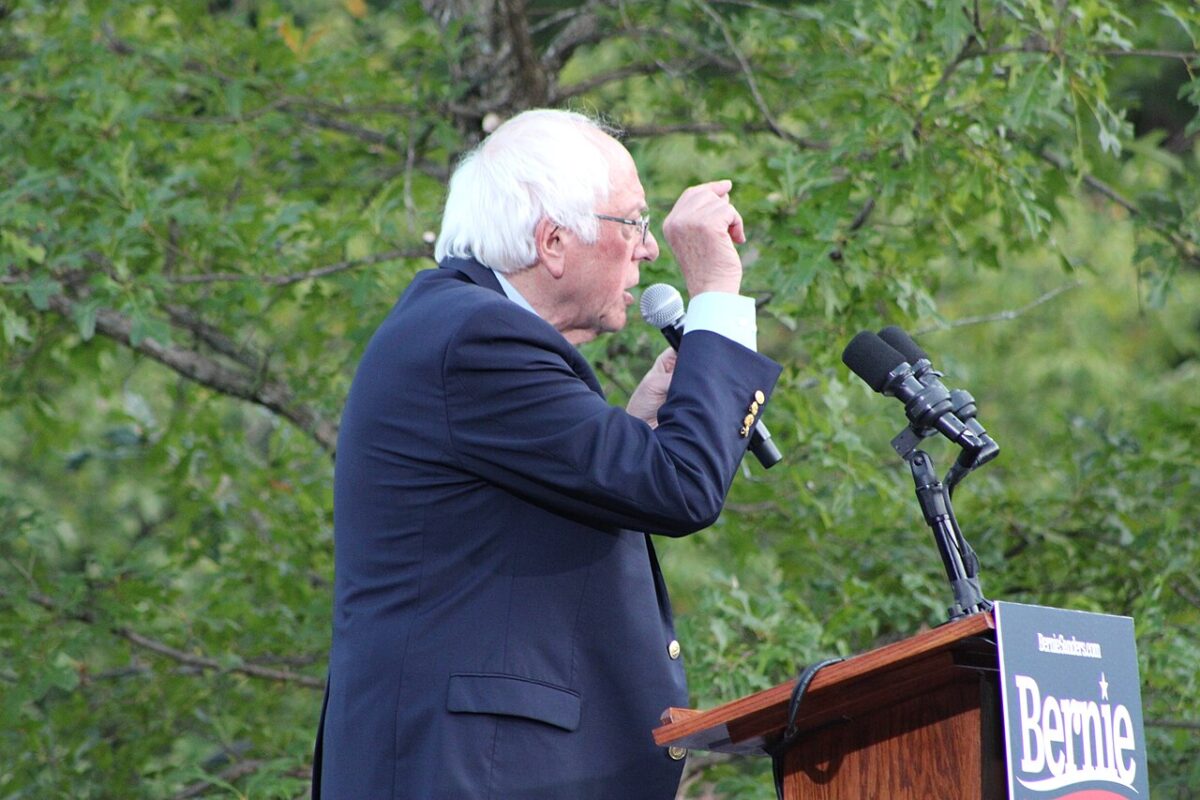
Sanders’ position becomes more complicated when the campaign moves from the primary to the general election. He has acknowledged that Democratic candidates may still need help from outside political spending. His reasoning is simple: Democrats cannot allow themselves to be overwhelmed financially while Republicans continue benefiting from the same system. That admission exposes an uncomfortable contradiction.
If super PAC money is corrupting Democratic primaries, critics can reasonably ask why it becomes acceptable in November. Sanders’ answer rests on political control rather than approval of the system itself. Democrats can change their own primary rules, he argues, even if they cannot unilaterally rewrite federal campaign finance law. General elections operate under a national system that both parties must confront.
The contradiction illustrates the trap surrounding modern campaign finance. Politicians can oppose the system while still believing they must compete within it. Abandoning outside spending alone could create a major disadvantage without reducing the money flowing to opponents. Sanders therefore presents reform as something Democrats should begin internally while continuing to seek broader national changes.
Citizens United Still Shadows the Debate
The current super PAC system cannot be understood without returning to the Supreme Court’s 2010 Citizens United decision. The ruling strengthened protections for independent political expenditures by corporations and other organizations. Later legal developments helped establish the modern super PAC structure. These committees can raise unlimited sums as long as they operate independently of candidates.
Sanders has opposed that system for years. In May, he joined Rep. Summer Lee in introducing the Abolish Super PACs Act, which would limit individual contributions to super PACs to $5,000. The change would dramatically weaken the unlimited fundraising model that makes super PACs powerful. Sanders also continues to support public financing and constitutional action addressing Citizens United.
His office argues that billionaire election spending has increased dramatically since 2010. Sanders has also pointed to billions spent by America’s wealthiest families during recent election cycles. Those figures form part of his broader case that political influence has become concentrated among an extremely small number of wealthy donors. The Michigan race gives that national argument a visible local example.
Banning Super PACs Is Easier to Demand Than Enforce
Sanders’ immediate proposal sounds simple: Democrats should prohibit super PACs in their primaries. The legal reality is much more complicated. Super PACs are independent organizations, and candidates cannot simply order them to stop spending. Political parties also face constitutional limits when attempting to restrict independent political expression.
Democrats could still establish internal standards. Party leaders might discourage candidates from welcoming certain forms of outside support or attach political consequences to cooperation with super PAC networks. They could also create stronger expectations around transparency and primary conduct. Such steps could change political incentives even if they could not eliminate independent spending.
That distinction matters because a literal ban may be difficult under current law. Sanders’ broader legislative agenda addresses the underlying funding structure instead. Limiting contributions would weaken super PACs financially rather than relying only on party rules. His primary proposal therefore functions as both a policy demand and a political challenge to Democratic leaders.
Money Can Lose and Still Dominate the Race
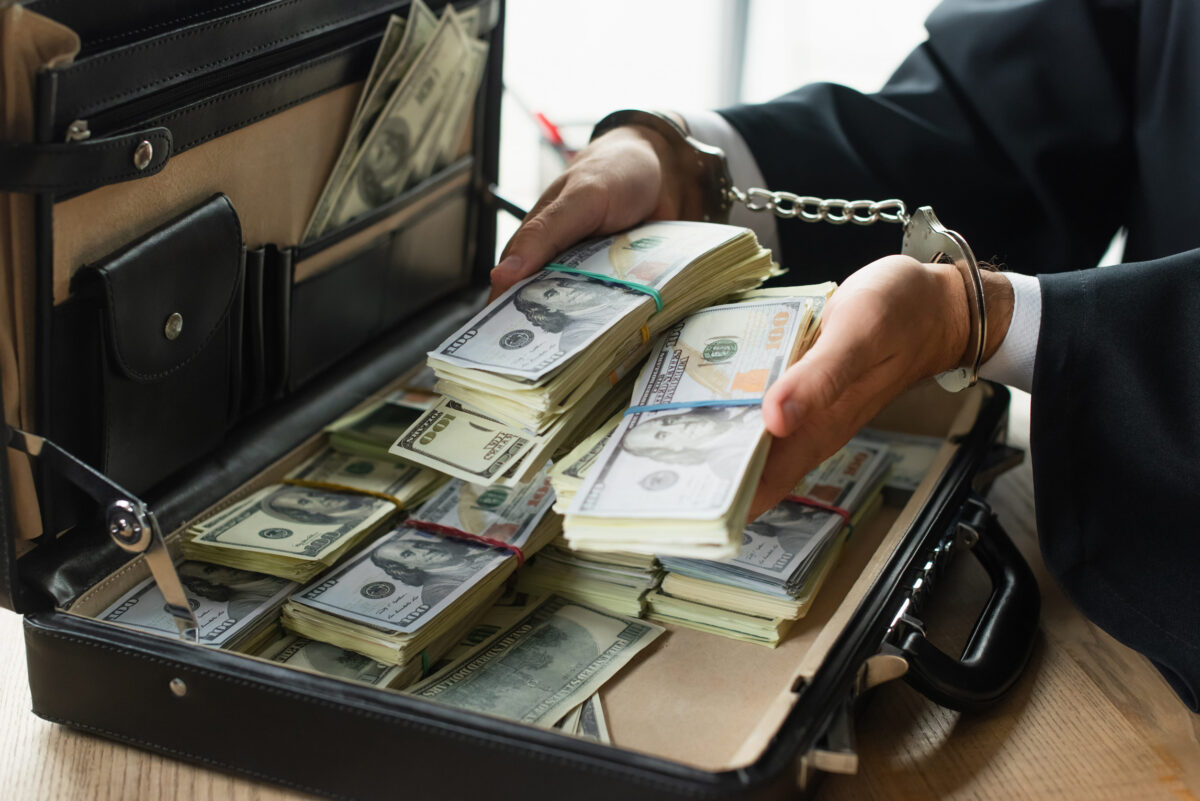
Michigan creates a paradox that makes this story more interesting than a simple example of money failing. Stevens lost despite receiving enormous outside support. That proves voters are not powerless and that financial dominance does not guarantee electoral control. Yet it does not mean the money had no effect.
Spending can influence which issues dominate television, social media, direct mail, and campaign events. It can force candidates to defend themselves against attacks they might otherwise ignore. It can also shift media attention toward controversies selected by outside organizations. Influence does not require victory to remain significant.
That is why El-Sayed’s win does not resolve Sanders’ concerns. Instead, it raises a different question about how much pressure a candidate should face to compete. El-Sayed possessed a major volunteer network and national progressive backing. Future candidates with fewer resources may struggle much more against similar financial opposition.
The Fight Is Really About Who Defines the Party
Every political party contains factions, donors, advocacy groups, and ideological movements. Democratic primaries routinely feature disagreements over health care, labor, climate policy, foreign affairs, and corporate power. Outside organizations also have legal rights to advocate their positions. The controversy begins when enormous financial disparities raise questions about whose voice carries the most weight.
Sanders wants Democratic voters to exercise greater control over their own nomination process. Opponents may argue that restricting outside spending would limit political participation and disadvantage organizations built around important policy issues. That tension between political equality and political expression has shaped campaign finance debates for decades. It remains unresolved.
The $517 million figure ensures the issue will not disappear easily. Each voter receives one ballot, but the ability to shape the information surrounding that ballot remains deeply unequal. Wealthy organizations can finance political communication at a scale individual voters cannot approach. Sanders argues that this difference increasingly distorts the meaning of internal party democracy.
Michigan Now Moves Into an Even Bigger Battle
El-Sayed’s primary victory places him against Republican Mike Rogers in a nationally important Senate contest. Michigan’s significance means both parties and outside organizations have powerful reasons to spend heavily. The financial battle Sanders criticizes may therefore become even larger before November. The primary may have been only the opening phase.
El-Sayed must also reunite Democrats who spent months supporting different candidates. Moderate voters, progressive activists, and former Stevens supporters now need to operate inside the same coalition. Republicans can reuse criticisms first introduced during the Democratic primary. The damage created by internal political warfare can therefore survive long after the nomination is settled.
That creates a real-world test for Sanders’ argument. If outside groups spend heavily against El-Sayed, Democrats may welcome super PAC assistance supporting their nominee. Such a development would reinforce Sanders’ claim that both parties remain trapped in an escalating financial system. It would also show why reform is much easier to demand than to practice.
The Question Democrats Can No Longer Avoid
Democratic leaders now face a decision that extends far beyond Sanders, AIPAC, or one Michigan election. They must decide how comfortable they are with super PACs in Democratic primaries becoming increasingly powerful players in party politics. Preserving the current system keeps access to massive outside resources. Challenging it would require legal, strategic, and institutional changes.
Michigan demonstrated that money does not always decide an election. El-Sayed overcame a financial imbalance that might have buried another candidate. Yet the more important question is whether candidates should have to overcome such imbalances in the first place. A system can fail to purchase victory and still exert enormous influence over political debate.
Sanders has turned one bitter primary into a broader argument about who should shape American political parties. More than $30 million in AIPAC-linked spending failed to stop El-Sayed, while the national super PAC total has already reached $517 million by Sanders’ count. Those numbers do not prove that democracy has been purchased, but they show how expensive the competition for influence has become. The unresolved question is how much money can enter a primary before political advocacy begins to look like financial domination.