8 Animals You’ve Been Getting Completely Wrong
We all think we know animals, yet even the most familiar creatures often hide surprising truths behind the names we give them. From fluffy koalas mistaken for bears to massive “killer whales” that are actually dolphins, popular perception rarely matches biological reality. These eight examples reveal how much of what we think we know is shaped by pop culture, folklore, and plain assumption rather than science, and uncovering the real stories makes the natural world even more fascinating.
American Bison Are Not Buffalo

Movies, songs, and city names have all called them buffalo for centuries, yet the truth is clear: these are North American bison, not the African or Asian buffalo most people imagine. With shaggy coats, massive shoulder humps, and short curved horns, bison differ dramatically from their distant cousins, and their scientific name, Bison bison, underscores the distinction. Despite this, “buffalo” has stuck as a nickname, giving rise to one of the most persistent wildlife misconceptions in American culture.
Cougar, Puma, and Panther Are the Same Cat
Few animals suffer from a bigger naming identity crisis than the cougar. Also known as mountain lions, pumas, panthers, or catamounts, depending on the region, this large, tawny cat is officially Puma concolor, a species with remarkable adaptability and range. Regional slang and folklore have given it a patchwork of names, yet all refer to the same stealthy predator capable of leaping long distances and hunting across the Americas.
Koalas Are Marsupials, Not Bears

Koalas’ teddy-bear appearance has earned them the persistent, yet false, title of “koala bear.” In reality, koalas are marsupials that carry their young in pouches, much like kangaroos and wombats. This subtle but critical distinction highlights how visual similarity can mislead perception, and understanding it opens a window into the fascinating reproductive biology of marsupials.
Orcas Are Dolphins, Not Whales
Orcas,popularly called killer whales, are actually the largest members of the dolphin family, Delphinidae, and belong to the toothed whale group. While humans often lump all large marine mammals into the “whale” category, taxonomically, orcas are dolphins, complete with cone-shaped teeth, sophisticated social behavior, and hunting strategies that rival any apex predator on land or sea.
King Cobra Is Not a True Cobra
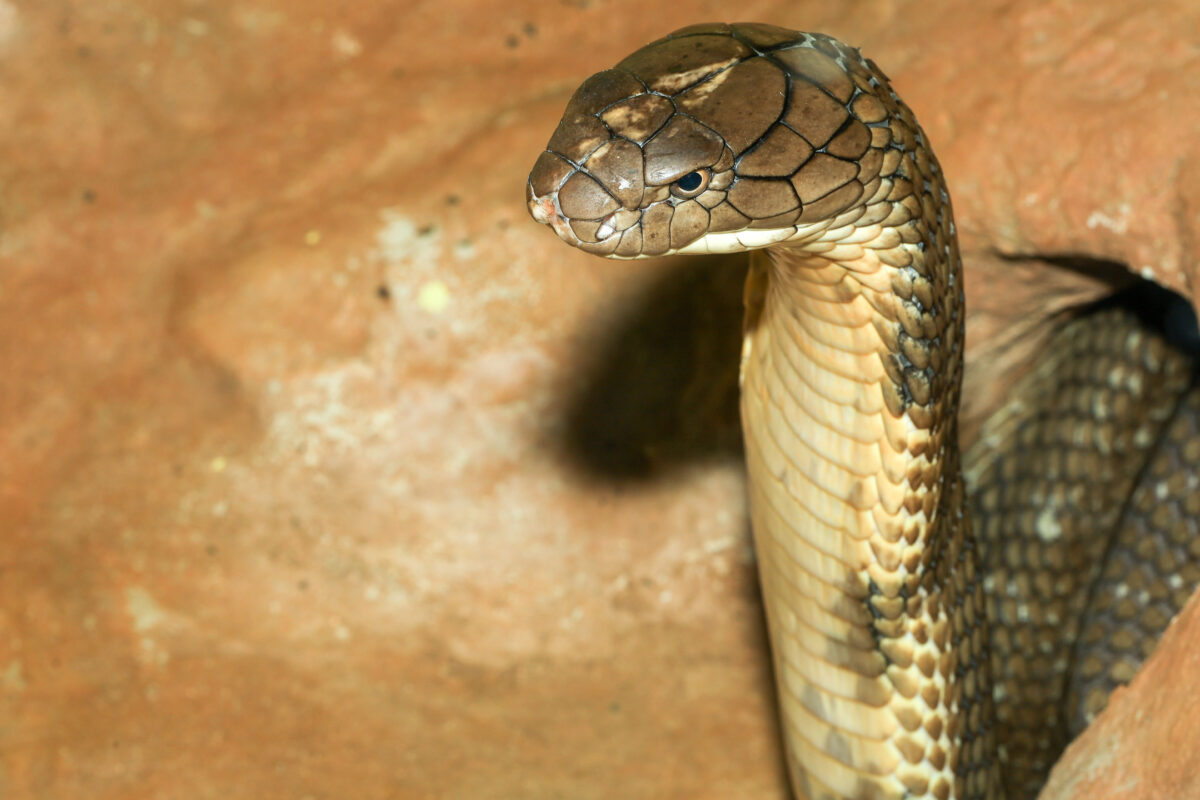
The king cobra sounds like the supreme representative of all cobras, yet it belongs to its own genus. Its immense size, hood display, and specialized diet make it one of the most iconic reptiles in the world, but the common name encourages the mistaken impression that it is a true cobra from the genus Naja.
Daddy Longlegs Are Not Always Spiders
The nickname daddy longlegs is applied to different animals, most commonly to harvestmen (arachnids without venom or silk-producing glands) and, sometimes, to cellar spiders, which are true spiders. The enduring myth that all daddy longlegs are dangerously venomous is false, as each group behaves differently and poses little to no threat to humans.
Fisher Cats Are Not Cats and Rarely Fish
The fisher, often called the fisher cat, is neither a cat nor a fish hunter. This secretive member of the weasel family thrives in North American forests, preying on small mammals, birds, and occasionally porcupines. Its misleading nickname demonstrates how appearance and local terminology can distort public understanding of an animal’s behavior, ecology, and evolutionary lineage.
Vampire Bats Are Not Most Bats

Vampire bats get a horror-movie spotlight, but out of more than 1,400 bat species worldwide, only three feed on blood. The majority of bats consume insects, fruit, or nectar and play essential ecological roles, including pollination and pest control. The blood-drinking image overshadows the extraordinary diversity and ecological importance of the rest of the bat family.
Conclusion
Animal names rarely tell the full story. Pop culture, visual impressions, and regional slang lock in misconceptions that persist for generations. By looking past familiar labels, we can appreciate the rich diversity and remarkable adaptations that define each species, seeing the wild world in sharper, more accurate detail. Understanding these animals for what they truly are deepens both our curiosity and our respect for the natural world.