10 Worst Animal Attacks Ever Recorded
Some animal attacks become more than frightening stories. They become warnings carved into history, reminding humans that the natural world does not always stay behind the neat boundaries we draw for it. The worst cases were not simple one-moment encounters. They were weeks, months, or even years of terror, when villages changed their routines, workers abandoned projects, families slept in fear, and entire regions learned to recognize danger in the silence of the bush, in ripples on the water, or in pawprints near a doorway.
These ten attacks stand out because of their death toll, historical impact, and the fear they left behind. Some figures come from official records, some from historical accounts, and a few remain disputed because they happened in remote places where record-keeping was poor. Still, each one remains one of the most chilling examples of what happens when humans and powerful animals collide.
The Njombe Lions

The Njombe lion attacks in southern Tanzania may be the deadliest recorded outbreak of man-eating lions in history. Between 1932 and 1947, three generations of lions reportedly killed about 1,500 people in the Njombe District, according to National Geographic Education. The terrifying part is that this was not one rogue animal. It was learned behavior passed through a pride, turning human hunting into a repeated pattern.
Villagers were not facing random night attacks alone. Reports describe lions using tactics that resembled a hunting strategy, luring people out and striking when they were exposed. That made the Njombe case especially horrifying because the danger seemed organized, patient, and almost invisible until it was too late.
The Champawat Tigress
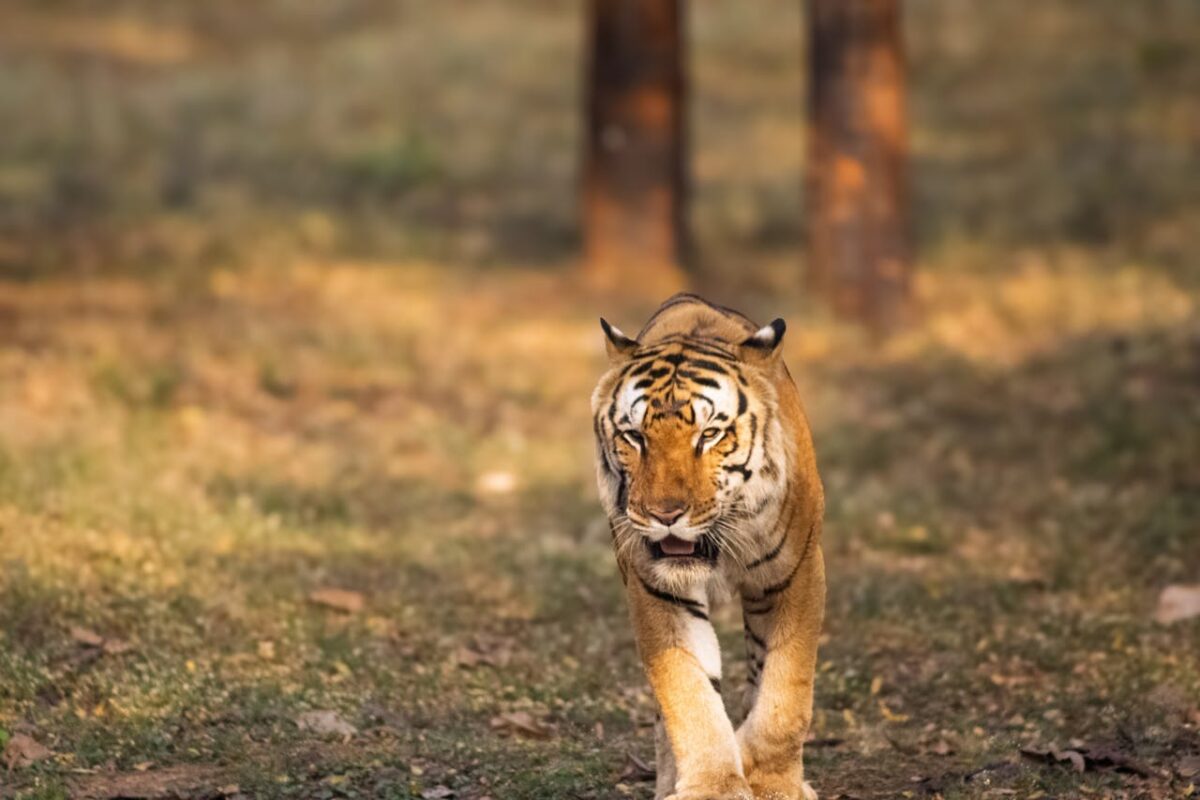
The Champawat Tigress is often called the deadliest individual animal in recorded history. Guinness World Records lists her as responsible for 436 deaths in India’s Champawat district between 1902 and 1907, before hunter Jim Corbett finally killed her.
Her attacks spread fear across communities in Nepal and northern India. People stopped moving freely, and ordinary forest paths became death traps. What made the story even darker was the belief that damaged teeth made normal hunting difficult, pushing the tigress toward humans as easier prey.
The Leopard of Panar
The Leopard of Panar was another nightmare from the Kumaon region of northern India. Guinness World Records identifies it as the most prolific man-killing leopard, responsible for more than 400 deaths in the early 1900s before Jim Corbett killed it in 1910.
Leopards are smaller than tigers, but this made the Panar case more unsettling, not less. A leopard could slip through darkness, enter settlements, and vanish before people understood what had happened. In remote villages, that kind of predator became less like an animal and more like a shadow with teeth.
Gustave the Nile Crocodile
Gustave, the giant Nile crocodile of Burundi, sits in a strange place between documented killer and living legend. National Geographic reported that he was a real, confirmed killer with attack records dating back to 1987, although it also noted doubts that one crocodile caused every death blamed on him. Newsweek later reported that Gustave was rumored to have killed more than 300 people, while experts stressed that exact statistics were difficult to verify.
That uncertainty almost makes the story scarier. Around Lake Tanganyika and the Rusizi River, locals described an enormous crocodile with recognizable scars and a habit of attacking fishermen and bathers. Gustave became the kind of predator people feared before they even reached the water.
The Leopard of Rudraprayag

The Leopard of Rudraprayag haunted northern India for years and became one of the most infamous man eating leopards ever recorded. Guinness World Records notes that the animal was blamed for more than 125 deaths beginning in 1918, with its reign lasting eight years until Jim Corbett killed it in 1926.
This leopard was feared because it did not simply attack people outdoors. Stories describe it entering homes, attacking pilgrims, and turning villages into places of locked doors and sleepless nights. Its long run of terror made it feel almost impossible to stop.
Chiengi Charlie and His Lion Partners
Chiengi Charlie was a man-eating lion active around what was then Northern Rhodesia, now Zambia. Smithsonian Magazine reports that Charlie eventually teamed up with two other male lions, and the group reportedly ate about 90 people before the threat ended.
A single man eating a lion is frightening enough. A coalition of them is worse because lions can coordinate, learn, and repeat what works. Charlie’s story shows how one dangerous predator can become far deadlier when it stops hunting alone.
The Tigers of Chowgarh
The Tigers of Chowgarh were a mother tigress and her grown cub that terrorized parts of Kumaon in northern India. Reports based on Jim Corbett’s accounts place their death toll at about 64 people before both animals were killed in 1929 and 1930.
The haunting part of this case is the family pattern. A cub appears to have learned the behavior from its mother, turning one dangerous tiger into two. That made the attacks harder to predict and stop, especially in thick forests where visibility could shrink to just a few steps.
The Tsavo Man Eaters

The Tsavo man-eaters were two man-eating male lions that attacked railway workers in Kenya in 1898. The Field Museum says early claims put the death toll at 135, but later research reduced the estimate to about 35 people eaten. A 2024 University of Illinois report also noted that the lions killed at least 28 people and that DNA from hairs in their teeth confirmed humans were among their prey.
Their terror was so severe that railway construction came to a halt. Workers fled, camps emptied, and the lions became symbols of dread. Science has corrected the legend, but even the lower number is still horrifying.
The USS Indianapolis Shark Attacks
The sinking of the USS Indianapolis in 1945 led to one of the most terrifying shark-related tragedies in modern history. Britannica reports that nearly 1,200 men were aboard, as many as 900 initially survived the sinking, and only 316 were rescued after more than four days in the water. Some men were killed by sharks, although the exact number remains unknown.
This was not a single clean attack. It was a floating nightmare of wounds, thirst, exposure, salt poisoning, and circling sharks. The uncertainty around how many died from sharks makes the story no less horrific. It makes it harder to separate human disaster from animal terror.
The Mysore Sloth Bear

The Sloth Bear of Mysore was responsible for a shocking series of attacks in India in 1957. Backpacker reports that the bear killed at least 12 people and injured 24 more, making it one of the deadliest bear attack cases tied to a single animal or suspected animal.
Sloth bears are often underestimated because they lack the global reputation of grizzlies or polar bears. Yet they can be fiercely defensive and extremely dangerous at close range. The Mysore case showed how quickly a misunderstood animal could become a rural terror.
Conclusion
The worst animal attacks ever recorded are not just bloody historical footnotes. They show how fear grows when people cannot predict where the next danger will come from. A tiger in the forest, a crocodile in the river, a leopard near a doorway, or a shark beneath exhausted sailors can turn familiar places into traps.
Most wild animals do not hunt humans by choice, and many of these cases involved injury, habitat pressure, war, disease, food shortages, or unusual learned behavior. That matters because these stories should not make us hate wildlife. They should make us respect it. The real horror in these attacks is not that animals are monsters, but that once the balance between people and predators breaks, nature can become terrifyingly unforgiving.