9 Foods That Always Show Up at Southern Funerals
In the South, when someone passes away, the food starts arriving before the family has even finished making phone calls. Neighbors knock on the door with casseroles, church ladies organize a meal schedule, and the kitchen counters fill up within hours. Bringing food is how Southerners say what words cannot.
After the service, the family and friends gather in the church fellowship hall or at the family home for a meal. Long tables hold dish after dish, many of them made from recipes that have been passed down for generations. The food is comforting, familiar, and made with love.
Some of these dishes are so closely tied to funerals that people jokingly call them “funeral food.” Here are nine foods that show up again and again at Southern funerals, and why they have become part of the tradition.
1. Fried Chicken
Fried chicken is a must at almost every Southern funeral meal. Some families fry it at home, while others pick up buckets from a local restaurant. Either way, there is always more than enough.
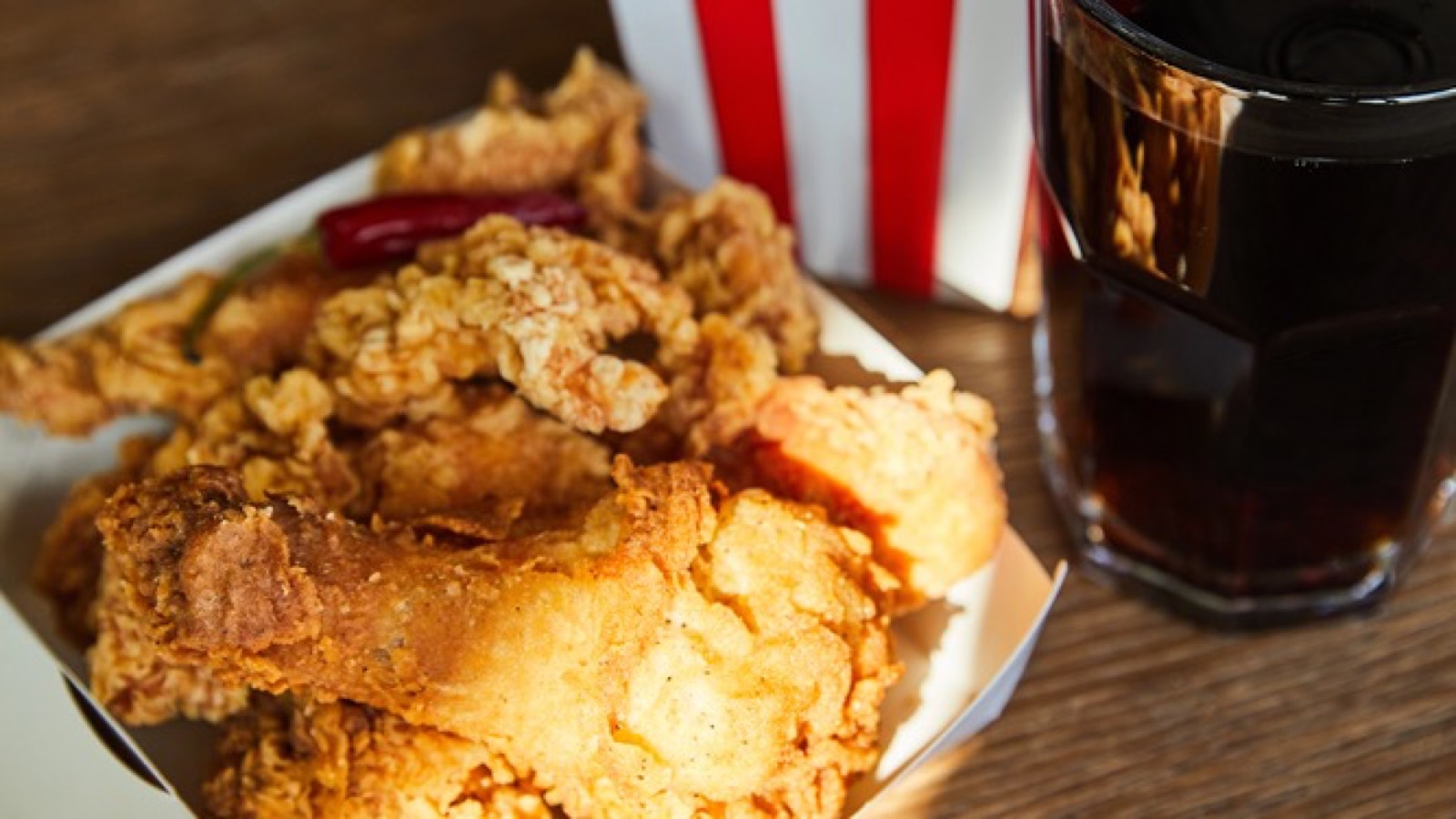
Fried chicken is easy to serve and eat, even at room temperature. It is filling and loved by people of all ages. It is the ultimate comfort food for a grieving family.
Many people say a Southern funeral would not feel right without it. It is a symbol of hospitality and care. For many families, it is the first dish to arrive.
2. Deviled Eggs
Deviled eggs are a staple at Southern gatherings, and funerals are no exception. They are made by mashing hard-boiled egg yolks with mayonnaise, mustard, and relish, then piping the filling back into the whites. A sprinkle of paprika finishes them.
Deviled eggs are often served on special plates with egg-shaped indentations. Many Southern women own one just for occasions like this. The eggs disappear quickly.
They are easy to make in large batches and travel well. They are also a familiar, comforting food. Many families have a deviled egg recipe that has been passed down for generations.
3. Ham and Ham Biscuits
A baked ham is a common funeral dish in the South. It can feed a crowd and provides leftovers for the family. Many people slice the ham and serve it on small biscuits or rolls.
Ham biscuits are especially popular in Virginia and the Carolinas. They are easy to eat and loved by everyone. They are often served at receptions after the service.
A whole ham is a generous gift for a grieving family. It can last for days. It is a practical and comforting choice.
4. Funeral Potatoes and Potato Casseroles
Potato casseroles are a common funeral dish across the country, and the South is no exception. They are made with shredded or cubed potatoes, cheese, sour cream, and a crunchy topping. They are rich and comforting.
In Utah, this dish is famously called “funeral potatoes,” but similar casseroles appear at Southern funerals too. They are easy to make and transport. They can feed a crowd.
Potato casseroles are often made by church members or neighbors. They are a staple of potluck gatherings. They are a reminder of community support.
5. Macaroni and Cheese
Baked macaroni and cheese is a beloved Southern side dish. It is made with elbow macaroni, cheddar cheese, eggs, and milk, then baked until golden. Many Southern versions are thick and custardy.
Macaroni and cheese is a staple at funerals, holidays, and family gatherings. It is loved by children and adults alike. Many families have a special recipe.
In many African American families in the South, macaroni and cheese is a central part of any gathering. The person who makes it is often highly respected. It is a dish full of meaning.
6. Pound Cake
Pound cake is a classic Southern dessert that often appears at funerals. It is dense, buttery, and rich. It can be served plain or with fruit and whipped cream.
Pound cake travels well and keeps for days. It is easy to slice and serve. Many families bring one to the grieving family’s home.
Many Southern women have a pound cake recipe that they are known for. It is a way to show love and support. It is a comforting treat during a difficult time.
7. Banana Pudding
Banana pudding is a beloved Southern dessert that is often served at funerals. It is made with layers of vanilla wafers, sliced bananas, and custard. It is topped with meringue or whipped cream.
Banana pudding is easy to make in large batches. It is creamy, sweet, and comforting. Many people associate it with family gatherings.
It is often made by older women in the church. Their recipes are treasured. It is a dessert that brings people together.
8. Congealed Salads
Congealed salads, made with gelatin, are a classic Southern funeral dish. They often include fruit, nuts, cream cheese, or whipped topping. They are served cold and come in bright colors.
These salads were especially popular in the mid-20th century. They are still made by many older Southern women. They are often served alongside fried chicken and ham.
Congealed salads may seem old-fashioned to younger people. But they remain a beloved tradition in many Southern families. They are a reminder of the past.
9. Sweet Tea by the Gallon
No Southern funeral meal is complete without sweet tea. Church kitchens brew it by the gallon in big urns and pour it over ice in plastic cups. It is often the first thing offered to a grieving relative who walks in from the cemetery.
Sweet tea is so common at these gatherings that people rarely think about it. Yet it is part of the welcome. Handing someone a cold glass is a small, familiar kindness at a time when little else feels normal.
Why Food Matters at Southern Funerals
In the South, food is a way of showing love and support. When someone dies, neighbors and friends bring food to help the family. It is a practical and emotional gesture.
The funeral meal brings people together. It gives them a chance to share memories and comfort each other. The food helps people feel connected.
A Tradition of Care
Southern funeral food is about community. It shows that the family is not alone. It is a way of saying, “We are here for you.”
This tradition is one of the old-school American traditions that deserve more appreciation. It reflects the warmth and generosity of Southern culture, along with many Southern phrases that carry the same spirit. What dish do you remember from Southern funerals, and who in your family made it?