17-State Power Emergency Raises Blackout Fears as Extreme Heat Strains the U.S. Grid
For millions of Americans, the steady hum of an air conditioner has become the soundtrack of survival. Behind that familiar sound, grid operators are making a far more anxious calculation: how much electricity remains after demand peaks, a generating plant unexpectedly fails, or forecast power production falls short.
That shrinking margin is the real story behind the federal emergency order covering portions of 17 states. The Department of Energy has authorized the Southwest Power Pool, or SPP, to dispatch specified generating units and activate backup resources as a final defense against blackouts. The order took effect July 26 and is scheduled to expire at 11:59 p.m. Central Time on August 3.
America’s backup generators are becoming a shadow grid
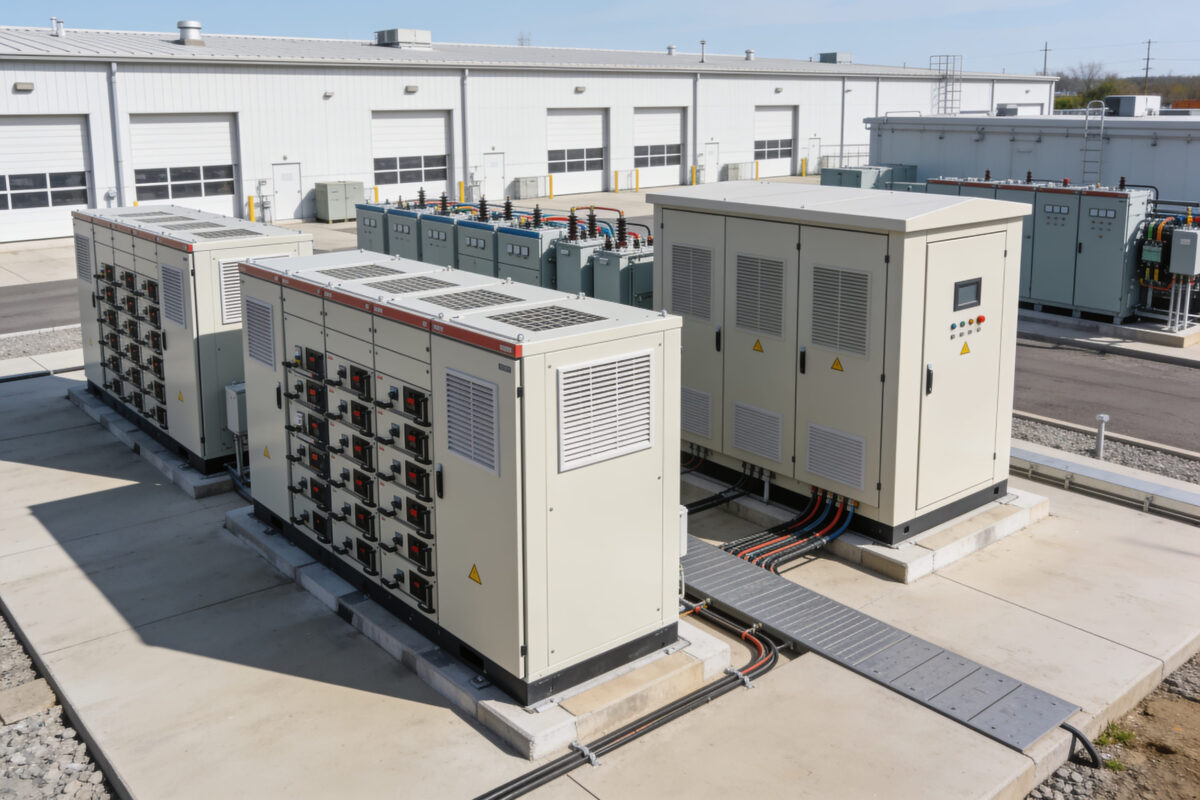
The emergency order reaches beyond the power plants that normally keep homes, hospitals and businesses running. It allows SPP to call on backup generation at large commercial and industrial facilities as a last resort before declaring an Energy Emergency Alert Level 3 or while that emergency level remains active.
That provision turns equipment usually hidden from public view into a temporary shadow grid. Data centers, factories and other major facilities often maintain generators or batteries to protect their operations during outages. In an emergency, those systems may reduce the facility’s demand from the regional grid or, where technically possible, contribute additional electricity.
The Department of Energy estimates that more than 35 gigawatts of unused backup generation exists nationwide. Not all of that capacity sits inside SPP territory, and many private systems cannot export electricity. Still, taking a large facility off the grid during the hottest hour can create valuable breathing room for everyone else.
The emergency is serious, but blackouts have not begun
The phrase “17-state power emergency” sounds like entire states are preparing to go dark. The reality is more precise. SPP coordinates electricity reliability across portions of 17 central and western states, but the federal order does not place every household in those states under an outage schedule.
It also does not mean rolling blackouts are inevitable. Resource advisories and conservative operations alerts tell utilities and power producers to prepare for higher demand, possible generator outages, and lower-than-forecast wind or solar production. SPP says residents should continue following information from their local electricity providers.
However, the warning should not be dismissed. The emergency order exists because officials believe routine operating measures may not provide enough protection if conditions suddenly worsen.
Extreme heat creates a two-sided electricity crisis

Image credit: Graeme Maclean, Wikimedia Commons
Heat does more than send air-conditioning demand soaring. It can also force the electricity system to work harder while giving operators less room to respond.
Homes and businesses consume more power during long stretches of dangerous heat. Buildings also hold warmth after sunset, keeping cooling demand elevated into the evening. That becomes especially challenging when solar generation begins declining before electricity consumption has fallen.
Power equipment faces its own pressure. Unexpected plant outages become more serious when most available generators have already been committed. SPP has also warned that forecast uncertainty, forced outages and lower wind or solar production could tighten available supplies during peak hours.
Extreme heat warnings have remained in effect across parts of the West, with some locations facing afternoon temperatures above 110 degrees. Such conditions increase the risk of heat illness while making reliable air conditioning a matter of public safety rather than comfort.
The final few megawatts may matter most
Most consumers rarely think about electricity reserves. They flip a switch and expect an immediate response. The current emergency reveals the narrow space separating “enough electricity” from “almost enough.”
A grid cannot simply generate roughly the amount of power customers need. Operators must also maintain extra capacity for surprises, including equipment failures, transmission problems and sudden changes in weather-dependent generation.
That reserve can determine whether a plant failure becomes a minor operational problem or a regional crisis. When the cushion disappears, utilities may introduce controlled outages to prevent a larger breakdown.
Rolling blackouts are disruptive and potentially dangerous during a heat wave. Yet operators may consider them necessary if cutting electricity to selected areas for limited periods can prevent a wider collapse that takes much longer to restore.
Politics will argue, but physics makes the decision
Energy Secretary Chris Wright presented the order as part of the Trump administration’s effort to strengthen electricity reliability. He also criticized the previous administration’s energy policies, placing the emergency inside a broader political fight over power generation and regulation.
The grid, however, responds to physical conditions rather than political messaging. Operators must balance electricity supply and demand every second. They need functioning generators, adequate fuel, dependable transmission lines and enough reserve power to survive an unexpected disruption.
The emergency does not provide a simple victory for fossil fuels or a straightforward indictment of renewable energy. SPP has identified several overlapping risks, including high demand, generator outages, severe heat and potentially weaker wind and solar output.
The larger lesson concerns flexibility. A reliable modern grid needs different generation sources, stronger transmission, energy storage, accurate forecasting and customers capable of reducing demand during the most difficult hours.
Keeping the lights on will not erase the warning
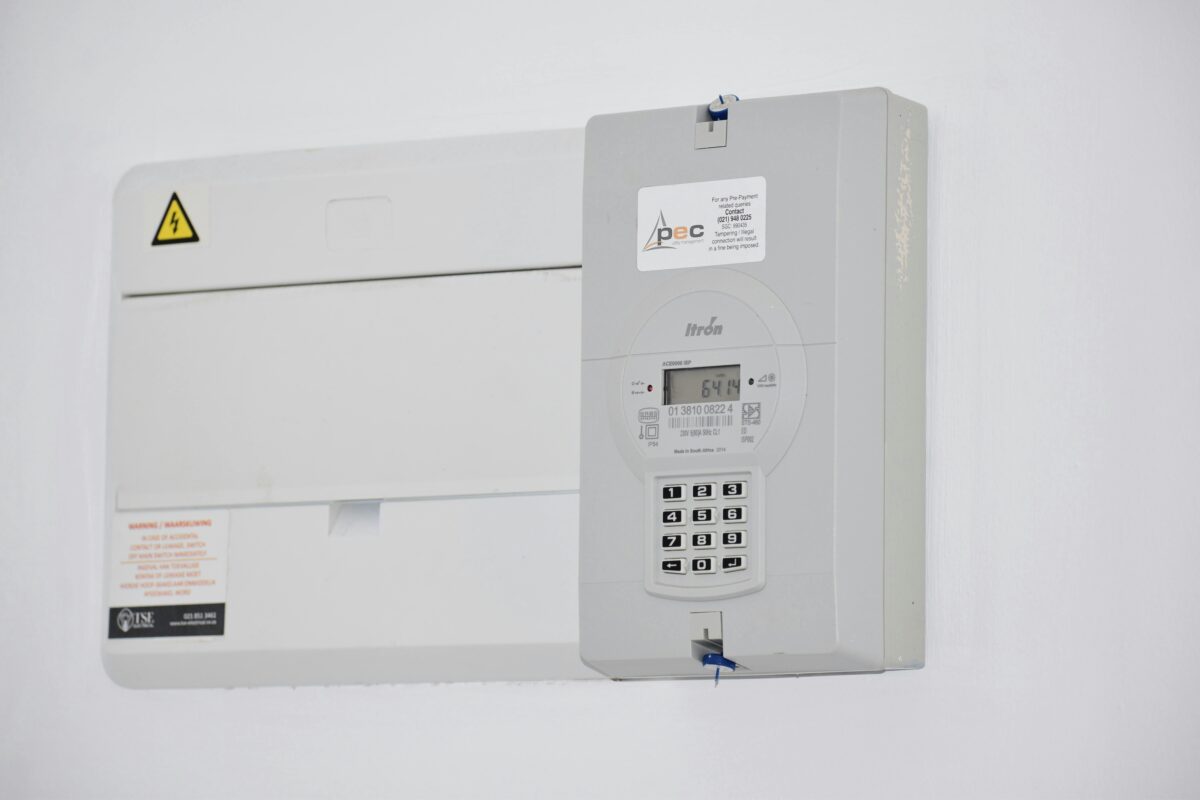
Residents in the affected region should charge phones, monitor local utility alerts and review backup plans for medically necessary equipment. Portable generators must remain outdoors and away from windows, doors and garages because they can produce deadly carbon monoxide.
Yet the deeper preparation belongs at the national and regional levels. America cannot judge the health of its grid only by whether a blackout occurred. Avoiding outages through federal emergency orders, conservation requests and rarely used private generators still reveals serious strain.
The most compelling detail in this story may ultimately be the absence of darkness. If electricity continues flowing through August 3, the emergency measures will have accomplished their purpose.
That success should not hide the message behind them. The country is reaching deeper into its final reserve of machines, fuel and emergency authority to provide something Americans still consider automatic.