10 Harsh Truths About Why Online Dating Is Really Terrible for Your Health
Swipe right. Swipe left. Match. Chat. Ghost. Repeat. Online dating feels normal now, even expected, but beneath the surface of profiles and algorithms lies a surprising toll on your emotional, mental, and even physical health.
This isn’t just bad luck or awkward dates; it’s structural. The design, pace, and psychology of dating apps are actively reshaping how people connect, and not in a good way. Here are 10 brutally honest reasons online dating might be doing more harm than good.
Conversations Feel Disposable
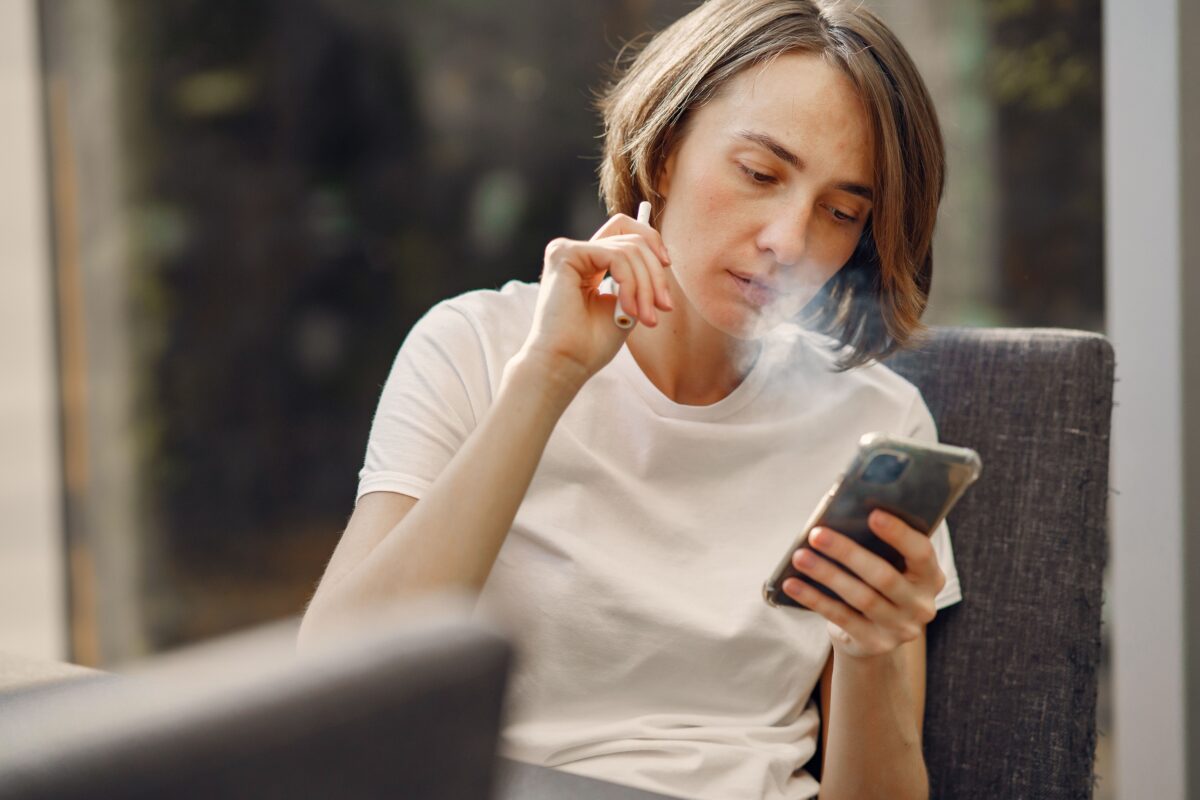
On apps, messages often disappear into voids. People can read your carefully‑crafted text and vanish without explanation. That lack of closure messes with your emotional regulation and builds anxiety.
Meaningful dialogue requires reciprocity, not random silence that leaves you questioning what you did “wrong.”
It Turns People Into Products
Profiles reduce real humans to pictures and bullet‑point traits. Your value becomes a static score in someone else’s judgment grid, and that’s psychologically corrosive.
When your worth feels tied to likes and matches, you start to internalize rejection like personal failure, even though it’s just a tap on a screen.
Swiping Creates Unrealistic Expectations
Online dating pushes endless choice, and more choice doesn’t equal better connections. When the next “better” person is always one swipe away, genuine effort gets replaced by habitual dismissal.
This breeds perfectionism, impatience, and a restless sense that you could always do “better”, even when what you have is good.
It Encourages Superficial Judgments
When first impressions are reduced to a photo and a one‑line bio, depth gets filtered out. People make emotional decisions faster than they realize, literally in seconds.
Longer conversations, nuanced personalities, and real quirks all get overshadowed by surface‑level cues. It’s like speed‑dating on steroids.
Rejection Hits Harder on a Screen
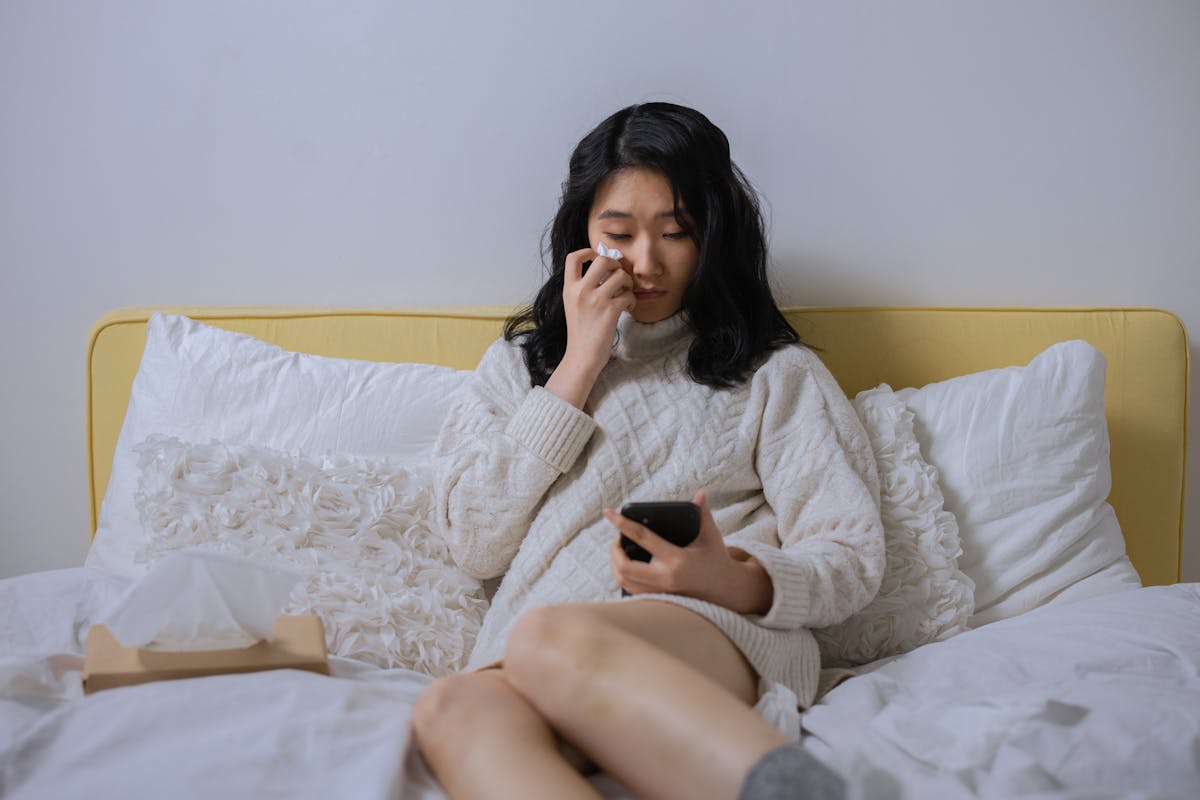
Getting ghosted or unmatched online doesn’t just sting; it can trigger the same parts of the brain that react to real loss. Your nervous system doesn’t distinguish between digital rejection and physical cues.
So every unmatched chat feels like a personal blow, even though it’s really just an impersonal app behavior.
It Fuels Comparison Traps
You’re not just seeing potential partners, you’re seeing what thousands of others find attractive. That constant comparison can warp self‑esteem.
Profiles turn real feelings into competitive metrics, and suddenly you’re measuring your worth against polished highlight reels instead of authentic human connection.
It Disrupts Real‑World Social Skills
Swiping shields people from awkwardness, uncertainty, and real emotional risk, the very things that build social resilience. Instead of leaning into genuine conversations, many users retreat behind curated personas.
Over time, real‑world confidence weakens, replaced by app‑conditioned communication habits that don’t translate offline.
It Can Trigger Anxiety and Depression

Studies show heavy dating‑app use correlates with increased anxiety and depressive symptoms. Constant evaluation, frequent rejection, and social comparison all wear down emotional resilience.
Underneath the surface glamor of “endless possibilities” lies a psychological cost that often goes unacknowledged.
It Messes With Your Sense of Patience and Commitment
Online cultures reward speed and novelty. When matches appear instantly, patience gets dethroned. People expect immediate compatibility, instant connection, and fast feedback.
But real relationships require time, depth, and emotional investment, qualities that grind against the rapid‑fire mechanics of swiping apps.
It Can Make You Cynical About Love

After too many mismatches, awkward exchanges, or shallow conversations, many users start to doubt whether a genuine connection is even possible. What should feel hopeful instead becomes transactional.
Instead of seeing dating as exploration, people start treating it as a challenge or burden, and that mindset leaks into real life, long past app use.