10 Things You Should Never Post About Your Relationship on Social Media
Some relationship posts seem harmless. A cute caption, a funny screenshot, or an inside joke. But when private moments become public, it can quickly shift a partner’s mood. Social media pressures us to prove our relationships by sharing dates, gifts, vacations, even apologies and heartbreak. This shifts a relationship from a private bond to a public performance.
These are the relationship posts that can quietly damage trust, invite unnecessary opinions, and make a private connection feel exposed.
Sharing Private Details About Your Partner
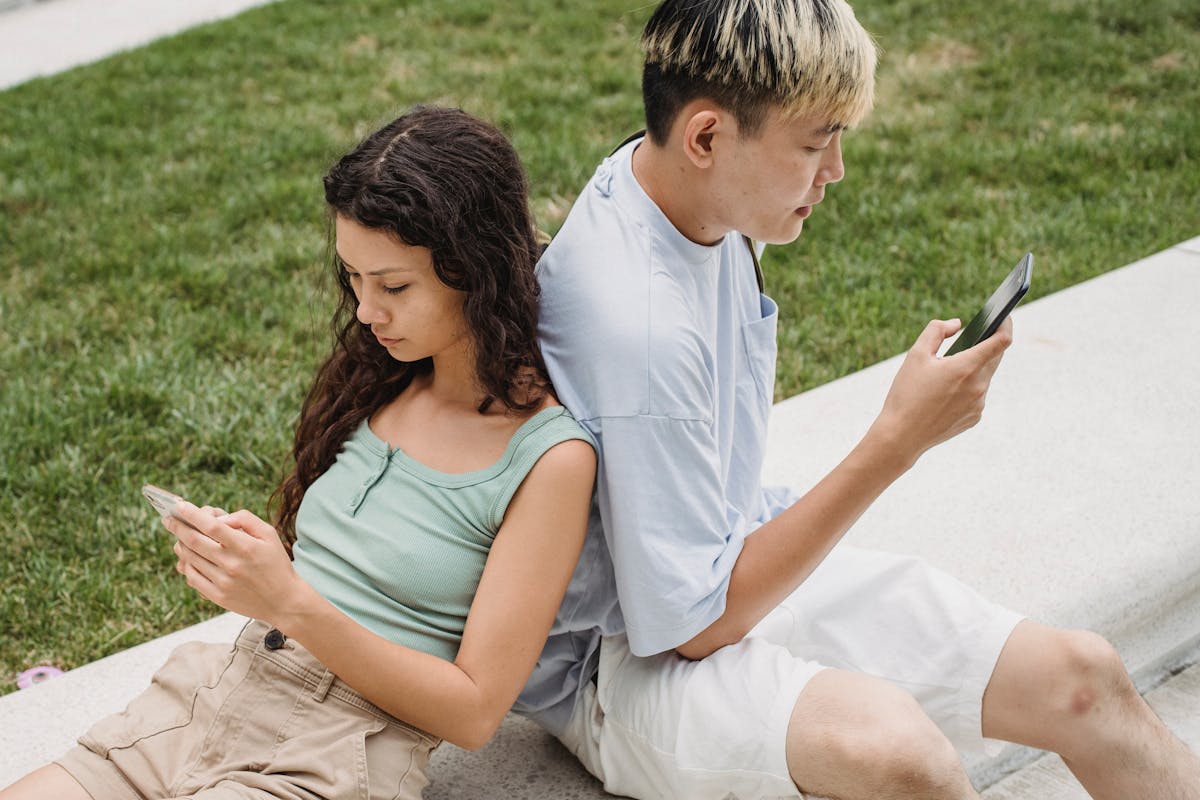
Posting personal details about a partner without asking first is a quick way to break trust. Their habits, fears, family issues, health struggles, or insecurities may feel familiar, but are not ours to share. What seems funny or sweet to us may feel embarrassing when seen by coworkers, relatives, friends, or strangers.
A healthy relationship needs emotional safety. That means our partner should know that private conversations will stay private, even when a story could get likes. If we would not say it in a room full of their family, friends, and boss, it probably does not belong online.
Dragging Your Partner During a Fight
Posting during a fight is almost always a mistake. Anger can make a bold caption feel right in the moment, especially if we want validation. Even a vague line like “some people never learn” can reveal more than we intend.
The damage from public arguments often lasts longer than the fight. We may forgive by dinner, but friends can judge for weeks. Social media makes a brief conflict permanent, making reconciliation harder.
Posting Breakup Drama in Real Time
Breakups hurt, and the urge to explain everything online can feel strong. Still, posting the details of who lied, who left, who cried, or who “wasted your time” can turn pain into public gossip. The comments may feel comforting at first, but they can also keep the wound open.
A breakup does not need a full online investigation. We can protect our dignity by keeping the hardest details offline and speaking only to people we trust. The internet may react quickly, but it rarely helps us heal quietly.
Sharing Screenshots of Private Messages

A sweet text from a partner may feel romantic enough to post, but private messages are still private. The same applies to apologies, arguments, confessions, voice notes, and emotional check-ins. A message sent in trust should not become content for strangers to analyze.
Screenshots can make a partner feel watched inside their own relationship. They may start wondering which words are safe and which ones could appear online later. Once that fear enters the relationship, communication becomes less honest and more guarded.
Overposting Kissing Selfies and Intimate Moments
A romantic photo, once in a while, can be sweet. The problem begins when every physical moment becomes part of the feed. Kissing selfies, bedroom photos, cuddling videos, and overly intimate clips can make followers uncomfortable and make the relationship feel performative.
Some moments are more powerful because they are not shared. Love does not need constant proof through close-up affection. When we protect intimate moments, we show that the relationship is not just for public reaction.
Showing Off Expensive Gifts Too Often
A luxury gift can be exciting, but posting every expensive surprise can make the relationship look like a financial scoreboard. Designer bags, jewelry, cars, vacations, and high-end gadgets may attract admiration, but they can also invite envy, judgment, and pressure. The focus can shift from love to price tags.
It can also make the partner feel used for online status. A gift given with love may not have been meant for public display. Gratitude feels warmer when it is sincere, not staged for people who were never part of the moment.
Broadcasting Every Little Relationship Detail
Some couples post so much that followers can practically track their relationship by the hour. Breakfast together. Flowers on Monday. Movie night on Tuesday. Argument on Wednesday. Matching outfits on Friday. At some point, the relationship starts feeling less private and more like a running series.
Constant updates can create pressure to keep proving that you’re happy. A healthy relationship does not need daily evidence to be real. The quiet parts, the ordinary parts, and the unposted parts often carry the most meaning.
Posting Pregnancy or Fertility News Without Agreement

Pregnancy, fertility treatments, pregnancy tests, ultrasound photos, and early baby news are deeply personal. These updates involve emotions, health, family expectations, and sometimes fear. Sharing too soon or without full agreement can create stress during a time that already carries a lot of emotional weight.
Both partners should decide together what to share and when. Some couples want a public celebration, while others need privacy until they feel ready. This kind of news should never be rushed for attention, because it belongs first to the people living it.
Making Passive-Aggressive Relationship Posts
Passive-aggressive posts are small fires dressed up as quotes. A caption about loyalty, respect, emotional maturity, or “finally seeing people for who they are” can create drama without naming anyone. It invites friends to guess, comment, and take sides.
If something needs to be said, say it directly. Social media is not the place to punish a partner through coded messages. Mature love requires honest conversations, not public clues wrapped in inspirational wording.
Posting Your Partner’s Location Without Permission

Tagging a partner’s live location may seem harmless, especially during dates, trips, or events. Still, not everyone wants their movements shared in real time. A partner may not want coworkers, relatives, exes, or strangers to know exactly where they are or who they are with.
Privacy is part of respect. Posting after leaving a location is often safer than sharing in the moment. A good date does not need a live audience, and a partner should never feel exposed because someone else wanted a quick update.
Conclusion
The most harmful relationship posts are not always loud or obvious. Sometimes they look like jokes, sweet memories, emotional captions, or harmless updates. The problem begins when a post makes a partner feel embarrassed, exposed, judged, or used for attention.
A strong relationship can still exist online, but it needs boundaries. We can celebrate love without turning every private moment into public proof. The best rule is simple: if a post protects trust, it may be worth sharing. If it risks privacy, dignity, or peace, it belongs offline.