Brutally Relatable Things That Take Over ADHD Homes
Walking into a home shaped by ADHD is like stepping into a world coded differently. Surfaces teem with activity, each item signaling intent, distraction, or a half-finished mission. Every corner tells a story of brains wired for high energy and constant motion, revealing patterns only insiders can truly decipher. From cluttered chairs to strategic snack stations, an ADHD home functions less on appearance and more on neurological logic. Below, we break down unmistakable signs that an ADHD brain has been at work inside a home.
Books Left Unfinished

Multiple books sit mid-chapter, each reflecting fleeting hyperfocus. Interest shifts rapidly, leaving partially read texts in prominent positions. ADHD minds pursue curiosity intensely, but serially, often abandoning items before completion.
Organizing reading spaces by priority or rotating attention can encourage progress. Accepting partial completion as normative reduces self-critique while maintaining engagement with learning.
The Chair of Doom
Every ADHD household has one chair, ottoman, or bench transformed into a semi-permanent clothing monument. Garments aren’t necessarily dirty, but they’re not neatly folded either. This “chair of doom” grows with each passing day, a soft-goods sculpture reflecting postponed tasks and perpetual intent. It’s common to sift through this pile daily for the right outfit, blending chaos with utility. The chair’s endurance showcases ADHD-driven prioritization where short-term needs outweigh organizational rituals.
The chair also becomes a psychological placeholder, signaling unfinished business. Laundry cycles are interrupted, clean clothes await placement, and rewash items lurk nearby. This single piece of furniture embodies the ADHD brain’s struggle with executive function, balancing daily survival with aspirational order. For many, conquering the chair is less about discipline and more about designing a manageable workflow that respects attention limits.
Sticky Notes Dominate Every Surface
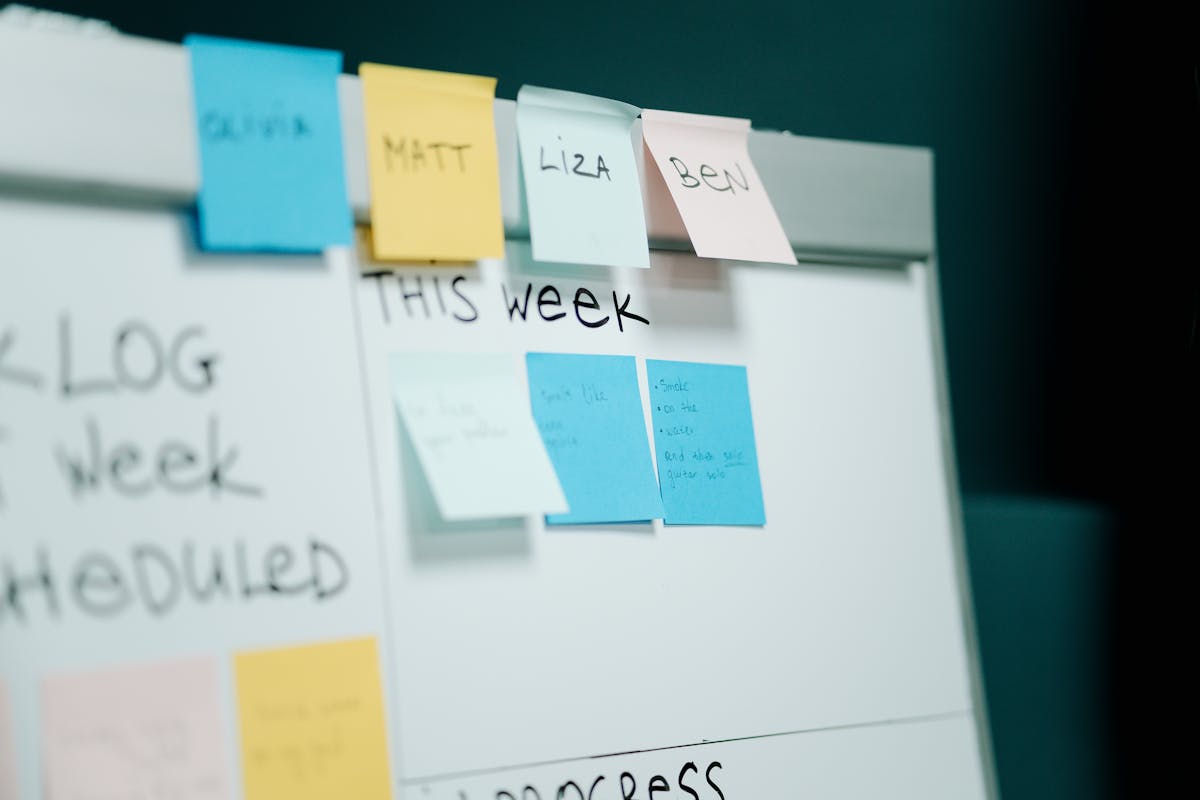
Flat surfaces across the home,mirrors, desks, and fridge doors,are prime real estate for sticky notes. ADHD minds rely heavily on visible reminders, treating anything out of sight as forgotten. Each note serves as a visual nudge, even if redundant or obsolete, ensuring priorities remain tangible. Removing a note can feel risky, an act of severing a cognitive safety net.
This hyper-visible system is a functional adaptation rather than chaos. Notes capture fleeting thoughts, deadlines, or motivational cues, allowing the brain to externalize memory. They provide structure, guide tasks, and reduce cognitive load, proving essential for daily navigation despite aesthetic sacrifice.
Hydration Graveyards

Half-empty water bottles appear across bedrooms, living rooms, and even forgotten corners. Each represents good intentions unmet due to the ADHD brain’s irregular attention spans. Despite purchasing multiple reusable bottles, the urge to stay hydrated remains inconsistently satisfied.
These bottles reflect the brain’s inconsistent tracking of basic self-care. They’re not clutter for clutter’s sake; each bottle embodies effort and repeated attempts at forming a habit. Strategies like centralized hydration stations or routine bottle placement can mitigate this scattered approach.
The Doom Pile
Every ADHD home has a “doom pile,” a zone where items with uncertain destinations congregate. Receipts, pens, single socks, unopened mail, and gadgets accumulate together. The pile expands as executive function stalls, creating a localized hub of incomplete tasks.
Tackling the doom pile requires minimal, targeted interaction rather than large-scale decluttering. Short, structured interventions, such as sorting one category at a time, prevent overwhelm. Recognizing the pile as a cognitive tool, rather than a failure, reframes ADHD organization as adaptive, not negligent.
Chargers Everywhere
Strategically placed chargers are found in bedrooms, living rooms, kitchens, and bathrooms. ADHD minds preempt their own forgetfulness by ensuring devices are always within reach. These redundant chargers are an investment in future efficiency, not evidence of clutter.
Accessibility ensures devices remain powered for work, social interaction, and reminders. This placement anticipates lapses in attention, a preventive strategy that supports daily functioning. The multiple charging points reflect a neurological accommodation rather than mere convenience.
Unused Organizing Supplies
Drawers store label makers, color-coded bins, and bullet journals with only a few pages filled. Bought during bursts of motivation, these supplies rarely achieve full deployment. The ADHD brain thrives on potential and novelty, often more than execution.
Interestingly, organizing materials themselves requires organization, demonstrating the cyclical nature of hyperfocus and distraction. Effective use depends on simplifying systems to match attention capacity, acknowledging that intent often outpaces follow-through.
Laundry in Multiple Stages
Dirty, clean, and rewash piles coexist, representing different stages of laundry processing. ADHD individuals often complete one stage but struggle with follow through, leaving folding and storing undone. This multi-stage system is not laziness; it reflects executive function challenges and prioritization patterns.
Optimizing laundry management involves minimizing steps, such as keeping baskets adjacent to dryers. This reframing transforms “putting away” into a manageable action, reducing resistance and improving completion rates.
Browser Tabs Overflow
Open tabs number in the dozens, each capturing a thought, a task, or a fleeting interest. Closing tabs feels like erasing mental trails, risking the loss of critical cognitive threads. Bookmarks multiply, yet rarely serve their intended function.
This virtual clutter parallels physical ADHD environments, externalizing thought processes. Accepting and structuring digital spaces through folders, reminders, or sequential focus can harness hyperattention constructively.
Whiteboards Lose Their Shine
Whiteboards often start with color-coded schedules and goals, quickly fading into visual wallpaper. Initial enthusiasm wanes, and the board becomes a monument to temporary hyperfocus. The ADHD brain’s short-lived engagement with systems explains the transient utility of these systems.
Resetting whiteboards with small, achievable goals keeps them functional. Recognizing the natural lifespan of these tools allows homes to leverage them without frustration, balancing novelty with consistency.
Impulse Purchases in Waiting
Impulse purchases linger unopened, ranging from air fryer cookbooks to art sets. The initial dopamine rush drives acquisition; usage rarely follows. ADHD brains often conflate excitement with commitment, leaving items sealed in anticipation.
These purchases underscore the brain’s craving for novelty. Strategic management—like scheduled unpacking or trial sessions—can align enthusiasm with practical use, transforming clutter into purposeful engagement.
Alarms and Timers for Everything
Alarms serve as external time anchors, compensating for ADHD time perception. Multiple reminders ensure wake-ups, departures, and meals are noticed. Without them, minutes and hours collapse into indistinguishable intervals.
The system transforms temporal awareness into tangible cues, enabling functional routines. Digital nudges act as surrogate cognitive scaffolding, essential for managing daily life and obligations effectively.
Duplicates as Survival Strategy
Multiple scissors, extra shampoos, and backup chargers reflect preventive acquisition. ADHD minds hedge against misplacement, prioritizing rapid access over minimalism. Duplicates reduce the friction caused by search and forgetfulness.
This strategy minimizes task disruption, creating efficiency at the expense of inventory aesthetics. Understanding this reframes redundancy as adaptive rather than careless accumulation.
Hyperfixation Corners
Designated spots reflect current obsessions, whether puzzles, yarn, or houseplants. Intensity fluctuates over weeks, layering hobbies like geological strata. Hyperfocus manifests in both creation and temporary disorder.
Such corners serve as both outlet and display, supporting creative expression while reflecting neurological patterns. Rotating interests highlight ADHD adaptability and intense engagement with novelty.
Strategic Snack Stations
Visible snacks combat forgetfulness around eating, ensuring nutrition remains salient. Granola bars, nuts, and fruit maintain energy for a distracted mind. Placement directly within line of sight reinforces routine self-care.
These stations exemplify environmental design aligned with neurological needs. Accessibility transforms basic sustenance into an externally supported habit.
The Launch Pad by the Door
Keys, wallets, and essentials converge near the entrance for efficient departure. The “launch pad” prevents morning disorientation and consolidates frequently misplaced items. Its simplicity belies its strategic significance.
This system transforms potential chaos into a streamlined routine. ADHD individuals rely on consistent spatial cues to maintain functional independence.
Bathroom Counters Reveal Routines
Products remain visible for routine compliance, moisturizers, hair products, and vitamins. Out-of-sight storage often results in neglected self-care steps. ADHD brains rely heavily on visual cues to anchor behavior.
Openly arranging essentials fosters habit adherence and reduces the risk of forgotten routines. Accessibility becomes a critical factor in maintaining consistency.
Noise-Canceling Headphones Within Reach

Headphones provide sensory shielding, reducing overstimulation. Whether used with music or silence, they create an environment conducive to focus. ADHD minds use auditory control to regain cognitive clarity.
Proximity ensures immediate availability when sensory overload strikes. Investment in high-quality headphones maximizes effectiveness for daily tasks and mental recalibration.
Body Double Setup
Virtual or in-person presence provides accountability, enhancing task completion. A FaceTime call or instructional video acts as a cognitive anchor. ADHD brains respond to subtle social cues to maintain engagement.
Body doubling transforms solitary effort into externally guided activity. This strategy is particularly effective for mundane or complex household tasks.
Clear Containers for Visibility
Transparent storage ensures items remain noticeable, avoiding cognitive bypass of hidden objects. Pantry, closet, and bathroom bins use clarity to prevent “out-of-sight” losses. ADHD brains benefit from visual accessibility for operational efficiency.
Consistency in storage visibility supports daily routine adherence and reduces the mental cost of searching. Clear containers convert potential disorder into a structured environment.
A Home Adapted to ADHD Needs
An ADHD home functions according to neurological logic rather than conventional tidiness. Each object, station, and system reflects adaptive strategies for attention, memory, and executive function. The environment becomes a supportive ecosystem tailored to cognitive strengths and limitations.
Embracing these adaptations allows ADHD individuals to thrive in daily life. Visual cues, redundant systems, and strategic placement transform chaos into controlled, functional spaces. Recognizing these patterns shifts perception from messiness to mindful design.