11 Household Items Experts Say You Should Throw Away This Year
Some things in your home are quietly doing their job. Others are just sitting there, collecting dust, germs, bad smells, and a little too much confidence. We all have that one drawer, cabinet, bathroom shelf, or kitchen corner filled with items we promised ourselves we would deal with later.
This year is the perfect time to stop letting old household items pretend they still belong. A cleaner home is not always about buying more storage boxes or deep cleaning every weekend. Sometimes, the smartest move is simply knowing what needs to go.
Old Kitchen Sponges That Have Seen Too Much
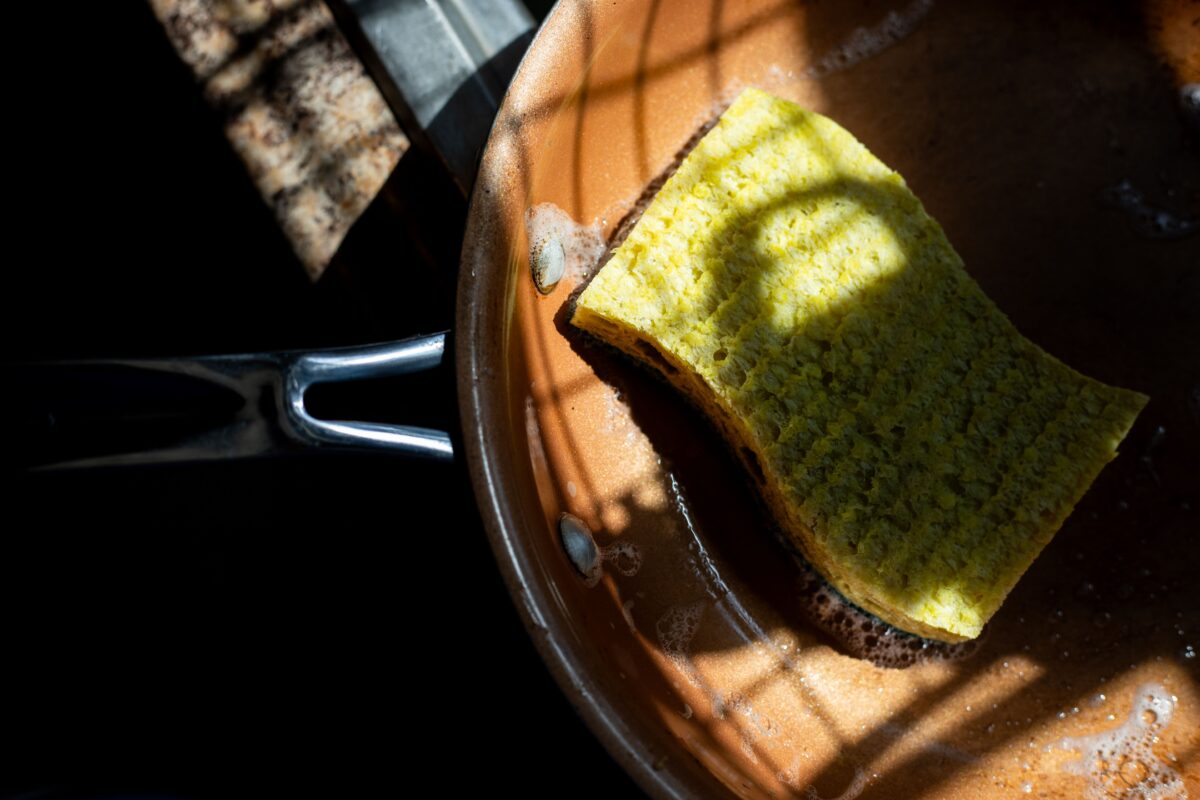
A kitchen sponge may look harmless, but it can become one of the dirtiest items in the home. It touches dishes, counters, sinks, food spills, and sometimes even raw meat juice by accident. Once it starts smelling, tearing, changing color, or feeling slimy, it is no longer cleaning your kitchen as much as spreading yesterday’s mess around.
Experts often recommend replacing sponges often because damp, porous material gives bacteria a comfortable place to grow. If you cannot remember when you bought the sponge, that is already a sign. Toss it, replace it with a fresh one, and consider using a brush or washable dishcloth that dries faster between uses.
Scratched Cutting Boards With Deep Grooves
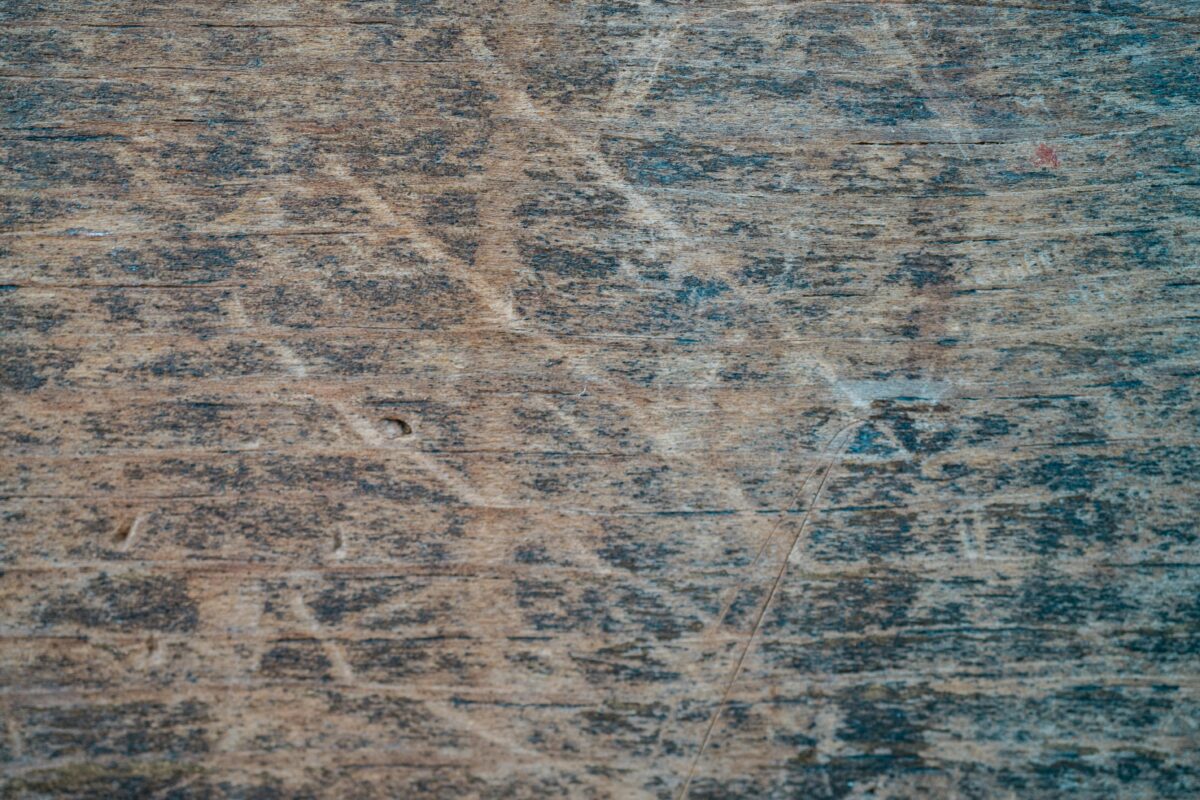
A cutting board with deep knife marks may look like proof of a hardworking kitchen, but those grooves can trap food particles and bacteria. This is especially risky when the same board has been used for raw meat, vegetables, bread, and everything else that lands on the counter during dinner prep.
Wooden and plastic boards both wear down with time. Once the surface becomes cracked, heavily scarred, or hard to scrub clean, it is time to let it go. A fresh cutting board is not just about looks. It helps reduce cross contamination and makes meal prep feel cleaner from the first slice.
Expired Medicines Hiding in the Bathroom Cabinet
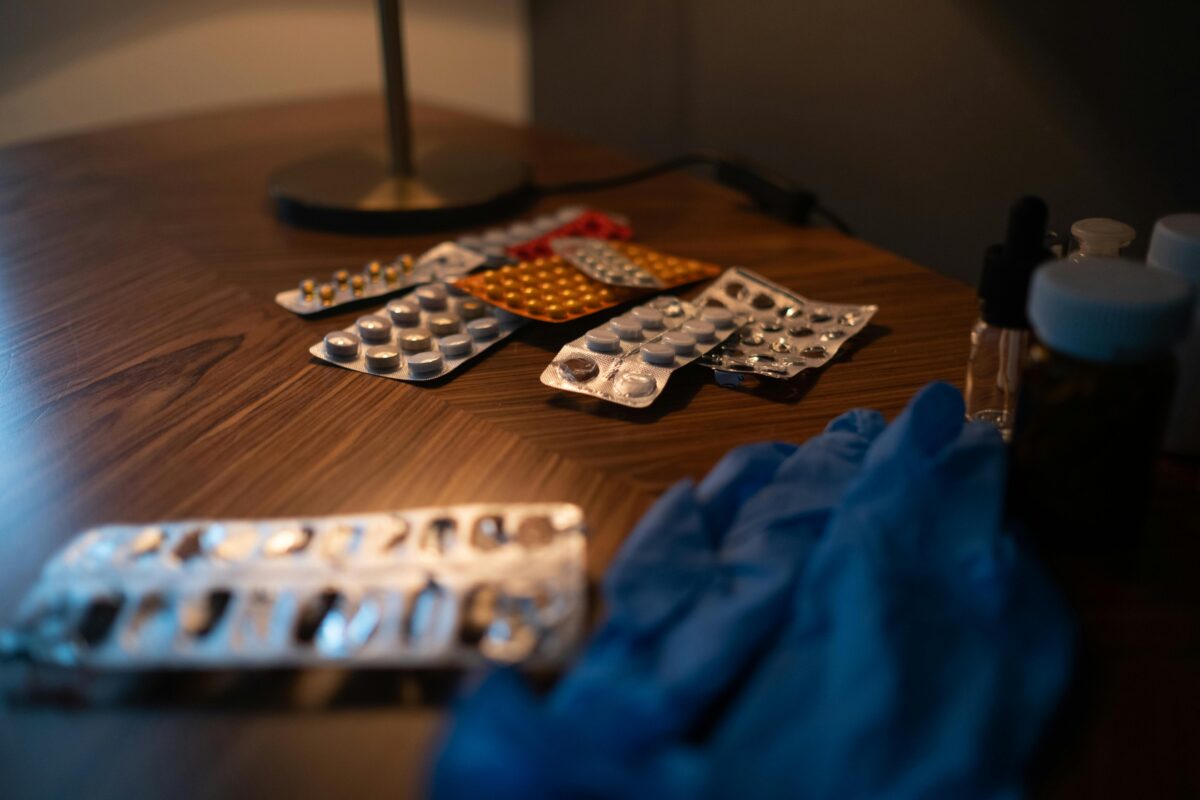
That bottle of old pain reliever from three years ago is not a responsible backup plan. Expired medicines can lose strength, become unsafe, or create confusion when someone grabs the wrong bottle in a rush. The problem gets worse when old prescriptions sit around where children, visitors, or pets may find them.
Do not treat medicine disposal like regular clutter. Check labels, separate expired or unused medicines, and use a take back program when available. If that is not possible, follow official disposal instructions carefully. The point is simple. Your medicine cabinet should help you, not turn into a small pharmacy of forgotten risks.
Scratched Nonstick Pans

A nonstick pan is wonderful until the coating starts peeling, flaking, or scratching badly. Once the surface is damaged, food sticks more often, cleaning becomes harder, and tiny bits of coating can end up where they should not be. That pan may still fry an egg, but it has already lost the smooth magic that made it useful.
Damaged cookware also encourages bad cooking habits, like using extra oil or scraping harder with metal tools. If the pan looks rough, chipped, or uneven, replace it and treat the new one better. Use wooden, silicone, or plastic utensils, avoid high heat, and keep abrasive scrubbers far away from the surface.
Old Plastic Food Containers

Plastic containers have a way of multiplying in cabinets, especially the lonely ones with no lids. The real trouble starts when they become cloudy, cracked, stained, warped, or scratched. Those old containers can hold odors, leak food, and become harder to clean properly after repeated use.
This year, match every container with its lid and be honest about what still works. Toss the melted, cracked, and mystery-stained ones. Keep containers that seal well, clean easily, and are clearly labeled for safe use. For reheating, glass containers are often the smarter long-term choice because they handle heat better and do not stain as easily.
Expired Sunscreen From Last Summer
Sunscreen is not the kind of product you should gamble with. Once it expires, separates, smells strange, changes texture, or sits in a hot car for too long, it may not protect your skin properly. That old beach bag bottle may look useful, but weak sunscreen can give a false sense of safety.
Check the expiration date before the sunny season gets serious. If there is no date and you cannot remember when you bought it, throw it away. Fresh sunscreen is cheaper than painful sunburn, skin damage, or realizing too late that the bottle you trusted had quietly given up.
Old Mascara and Eye Makeup
Mascara is one of those beauty items people hold onto for far too long. The tube may still have product inside, but every use introduces air, bacteria, and tiny bits of debris from around the eye area. Dry mascara is even worse because some people try to revive it with water, which can make contamination more likely.
Eye makeup deserves strict boundaries because the eyes are sensitive. If mascara smells odd, feels clumpy, dries out, or has been open for months, throw it away. The same rule applies to old liquid liners and creamy eye products. A fresh tube is better than dealing with redness, irritation, or an avoidable eye infection.
Toothbrushes With Bent or Frayed Bristles
A toothbrush is supposed to clean your teeth, not polish them with tired little broomsticks. Once the bristles spread out, bend, or look flat, the brush loses its cleaning power. Many people keep using the same toothbrush long after it has stopped doing its job well.
Replace toothbrushes regularly, especially when the bristles look worn. You should also replace them sooner if the brush looks dirty, smells strange, or has been stored in a crowded holder where other brushes touch it. Your mouth deserves better than a brush that looks like it survived a small storm.
Pillows That Smell, Sag, or Stay Folded
A pillow can look innocent in a pillowcase, but the inside may tell another story. Sweat, oils, dead skin cells, dust, and allergens can build up over time. Once a pillow smells musty, turns yellow, loses shape, or refuses to spring back, it is no longer giving your head and neck the support they need.
Old pillows can also make sleep feel worse without you realizing why. You may wake up with a stiff neck, stuffy nose, or that tired feeling that makes the morning feel rude. If your pillow is flat, lumpy, stained, or older than you care to admit, this is the year to replace it.
Dirty HVAC and Air Filters
Air filters are easy to forget because they hide inside systems and quietly collect dust. That is exactly why they matter. A dirty filter can make your heating or cooling system work harder, reduce airflow, and send more dust and allergens back into your living space.
If your home feels dustier than usual, smells stale, or your system seems to run constantly, check the filter. Disposable filters should be replaced based on the manufacturer’s schedule and your household needs. Homes with pets, allergies, smoke, or heavy dust may need more frequent changes. A clean filter is a small fix with a big payoff.
Smoke Alarms Past Their Safe Age
A smoke alarm is not decoration. It is one of the most important safety devices in your home, and it does not last forever. Many people remember to change batteries but forget that the whole unit has an expiration timeline too.
Check the manufacture date on the back of each smoke alarm. If it is around ten years old or older, replace the entire unit. This is one household item you should never keep for sentimental reasons, budget delay, or wishful thinking. When smoke alarms age out, your home’s safety system gets weaker.
Conclusion
Throwing things away can feel wasteful, but keeping unsafe, expired, or worn-out items can cost more in the long run. A home should support your health, comfort, and peace of mind. It should not be a museum of old sponges, cracked containers, dusty filters, and mystery products from five summers ago.
This year, start with one cabinet, one drawer, or one room. Check dates, look for damage, trust bad smells, and stop giving broken items another chance. A cleaner home does not always begin with a dramatic makeover. Sometimes, it begins with a trash bag and the courage to admit that some things have done their time.