9 Ways Social Media Encourages Fake Happiness and Quietly Warps Real Life
Social media fake happiness has become one of the most polished lies of modern life. We open our phones for a quick scroll, and within minutes, we are staring at perfect vacations, glowing skin, dream jobs, romantic dinners, clean kitchens, happy couples, soft morning routines, and people who seem to have discovered the secret to living without stress. The problem is not that these moments are always fake. The problem is that they are incomplete.
We rarely see the argument before the anniversary post, the debt behind the luxury trip, the exhaustion behind the fitness photo, or the lonely night behind the smiling selfie. Social media turns fragments of real life into a public performance, then makes those fragments look like the whole story. That is how fake happiness on social media becomes powerful enough to affect our confidence, relationships, body image, and daily sense of success.
Social Media Turns Normal Life Into a Highlight Reel
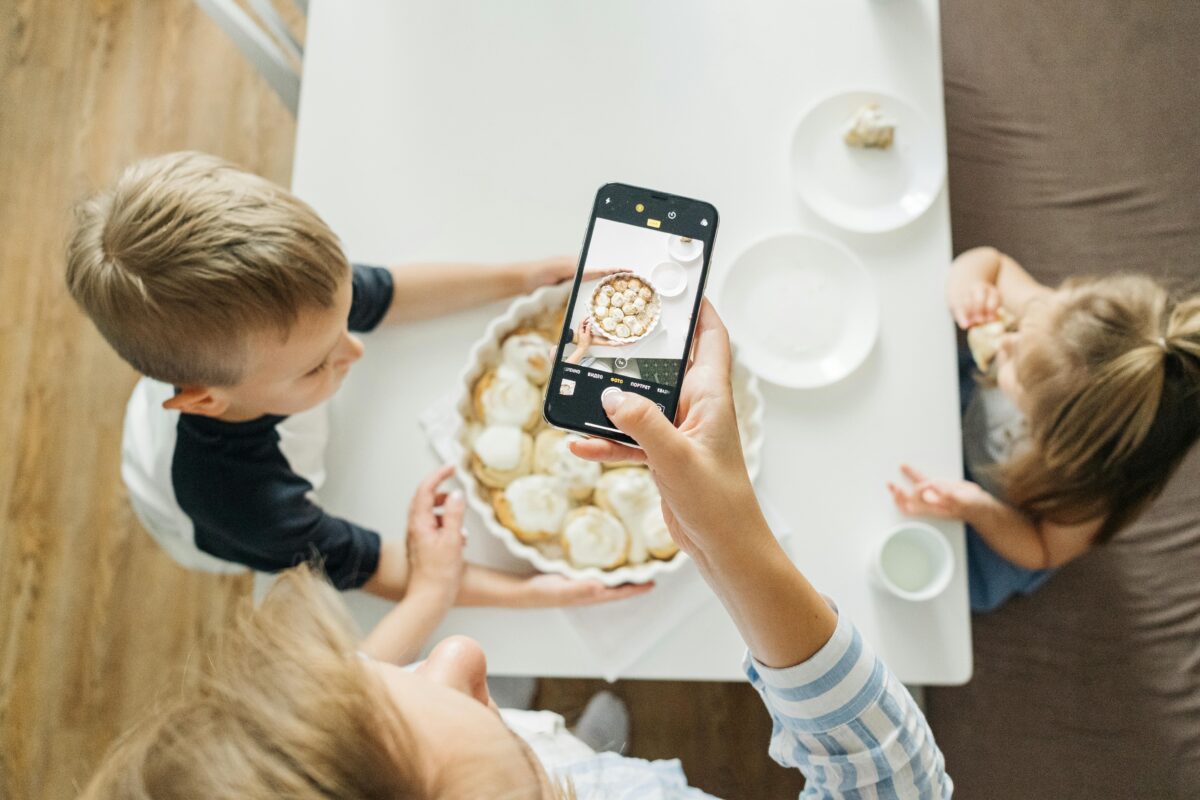
We all know people do not post everything, yet the brain still reacts to what it sees. A feed filled with wins, beauty, travel, love, and achievement creates the feeling that everyone else is moving faster, glowing brighter, earning more, loving better, and living with fewer problems. Even when we know a post is edited, staged, or carefully chosen, the emotional impact still lands.
This is how social media fake happiness begins. One person posts the best five seconds of their day, another posts the best angle of their face, and another posts a celebration without showing the stress that came before it. Together, those separate posts create a digital world where struggle is rare and happiness is constant.
The highlight reel does not need to be dishonest to become harmful. A person may truly enjoy a beach vacation, a new job, or a relationship milestone, but the post leaves out boredom, fear, conflict, fatigue, and ordinary life. When we compare our full reality to someone else’s edited moment, we almost always lose.
Algorithms Reward the Happiest Looking Version of People
Social media platforms do not simply show us what people post. They push the content that gets attention. Bright faces, dramatic transformations, luxury settings, emotional announcements, and perfect-looking lifestyles often attract more reactions than honest, ordinary updates. The result is a system that quietly trains users to perform joy.
When polished happiness gets more likes, shares, comments, and saves, people learn what the platform rewards. A messy truth may get sympathy, but a glowing photo gets admiration. Over time, users begin to shape their lives into content that looks successful, attractive, romantic, rich, calm, and exciting.
This creates pressure to make happiness visible, even when it is not deeply felt. We may start asking how a moment will look online before asking how it actually feels. That shift is subtle, but it changes the way we experience birthdays, dinners, vacations, friendships, workouts, relationships, and even grief.
Passive Scrolling Makes Other People’s Lives Look Better Than Our Own

Passive scrolling is one of the quietest ways social media encourages fake happiness. We are not posting, talking, or connecting. We are simply watching other people live their lives. That kind of scrolling can make us feel like spectators in a world where everyone else is achieving something more impressive.
The danger comes from repetition. One engagement post may not bother us. One vacation photo may not hurt. One promotion announcement may not shake our confidence. But after dozens of polished posts, the mind starts building a false pattern. It begins to whisper that everyone else is happier, richer, more loved, more disciplined, and more admired.
An active connection can feel very different. Messaging a friend, joining a useful group, sharing honestly, or supporting someone directly can create real social value. Passive scrolling often does the opposite because it gives us access to endless comparison without the warmth of a real connection.
Fake Happiness Online Makes Social Comparison Feel Endless
Humans have always compared themselves to others. Before social media, the comparison pool was smaller. We compared ourselves to classmates, neighbors, coworkers, siblings, or people in our local community. Now we compare ourselves to strangers across the world, influencers with professional lighting, creators with editing teams, and acquaintances who only post when life looks impressive.
That makes social comparison more intense and less fair. We compare our body to someone’s best angle, our home to someone’s staged room, our career to someone’s public announcement, and our relationship to someone’s anniversary caption. The comparison feels personal, but the material we are comparing against is usually incomplete.
This is why fake happiness on social media can make ordinary life feel like failure. A quiet weekend at home may be healthy, peaceful, and financially wise, yet it can feel dull after scrolling through parties, trips, brunches, concerts, and romantic getaways. The feed teaches us to measure life by display value instead of lived value.
Beauty Filters Turn Confidence Into a Moving Target

One of the most damaging forms of social media fake happiness comes through appearance. Filters smooth skin, slim faces, brighten eyes, reshape bodies, whiten teeth, adjust lighting, and erase normal human texture. After enough exposure, the edited face begins to look normal, while the real face becomes flawed.
This affects more than vanity. Appearance pressure can shape confidence, dating behavior, social anxiety, and self-worth. When people constantly see filtered beauty, they may start treating their own natural features as problems to fix. A normal photo suddenly feels unacceptable because it does not match the digital version.
The cruel part is that even the people posting edited images can become trapped by them. Once followers praise the filtered version, the unfiltered version may feel too exposed. This turns beauty into maintenance, and confidence becomes tied to lighting, angles, apps, and approval.
Relationship Posts Can Hide Loneliness Behind Romance
Social media makes relationships look easier than they are. We see matching outfits, birthday surprises, engagement photos, anniversary captions, soft launch posts, romantic trips, and smiling couple selfies. What we do not see is silence in the car, unresolved tension, money stress, emotional distance, jealousy, boredom, or private disappointment.
This matters because relationship content creates emotional expectations. We may begin to think love should look constantly photogenic, publicly celebrated, and easy to prove. A private, steady, imperfect relationship can start to feel less valuable than a dramatic online romance with better pictures.
Fake happiness in relationship posts can also pressure couples to maintain a sense of stability. Some people post affection when they feel insecure. Some post more when the relationship is struggling. Some use public praise to cover private disconnection. A smiling photo can be real and misleading at the same time.
Career Announcements Create a False Timeline for Success

Professional platforms and achievement posts add another layer to the illusion. We see new jobs, promotions, awards, business launches, speaking invitations, degrees, luxury work trips, and polished office photos. These updates can inspire us, but they can also make progress feel like a race we are losing.
Most people do not post the rejection emails, failed interviews, unpaid work, burnout, debt, bad managers, confusing career pivots, or quiet months of uncertainty. They post the result. That makes success look sudden, clean, and constant. We see the announcement, not the anxiety.
This is where social media fake happiness becomes career pressure. We may start measuring our professional lives by public milestones rather than private growth. A stable job, skill improvement, better discipline, or a healthier work routine may look unimpressive online, yet those things often matter more than a viral announcement.
Influencer Culture Sells Happiness as a Lifestyle Product
Influencer content often packages happiness as something we can buy. A better morning routine, a cleaner kitchen, a certain skincare product, a luxury bag, a fitness plan, a new diet, a dream vacation, or a perfect apartment becomes part of a larger message. The message says that happiness belongs to people who live beautifully.
That message works because it blends emotion with commerce. We are not just looking at a product. We are looking at a mood. Peace, beauty, status, romance, discipline, wealth, softness, confidence, and freedom are all wrapped into one image. The product becomes a shortcut to the feeling.
This does not mean every creator is dishonest. Many influencers share useful ideas, real creativity, and helpful recommendations. The problem begins when an entire lifestyle is presented as proof of happiness, especially when the audience cannot see sponsorships, debt, editing, stress, family support, rented locations, or business strategy behind the image.
Fear of Missing Out Makes Ordinary Joy Feel Too Small

The fear of missing out grows when we constantly see others doing things without us. Parties, trips, dinners, weddings, concerts, reunions, and group photos can make a peaceful night at home feel like social failure. Even when we choose rest, the feed can make rest feel like exclusion.
This is one of the most exhausting parts of fake happiness on social media. The platform does not just show us what others are doing. It suggests that life is happening somewhere else, with better people, better outfits, better food, better music, and better stories. We begin to feel behind even when nothing is actually wrong.
Ordinary joy becomes harder to recognize. A simple meal, a good conversation, a clean room, a finished task, a calm evening, or a private laugh may not look impressive online, but these moments often create the deepest stability. Social media can make them feel too small because they do not perform well.
Conclusion
Social media fake happiness works because it mixes real moments with missing context. The smile may be real, but it is rarely the whole story. The trip may be joyful, but it may also include stress. The relationship may be loving, but it may also be complicated. The career win may be deserved, but it may have followed months of rejection.
We protect ourselves by remembering that social media is a stage, not a mirror. We can enjoy beautiful posts without treating them as proof that our lives are inadequate. We can celebrate other people without shrinking ourselves. Most importantly, we can stop confusing visible happiness with genuine well being.
Real happiness does not always look impressive online. Sometimes it looks like privacy, rest, honesty, balance, healing, ordinary routines, and people who know us beyond the image. The less we perform for the feed, the more room we make for a life that actually feels good.