America Is Losing More Than Time in Traffic, and the New INRIX Scorecard Shows How Bad It Has Become
Traffic used to feel like a daily annoyance. Now, it looks more like a national bill that keeps getting bigger.
The INRIX 2025 Global Traffic Scorecard shows just how much time drivers are losing on busy roads, and the picture is not pretty. Across the world, major cities are still struggling with congestion as workers return to offices, freight keeps moving, and public transit fails to recover at the same pace as car travel.
For millions of Americans, the story feels painfully familiar. The morning commute starts earlier, the evening drive stretches longer, and a “quick trip” across town turns into another hour of brake lights. What once felt like bad luck now looks like a pattern built into daily life.
The Commute Is Quietly Eating the Workweek
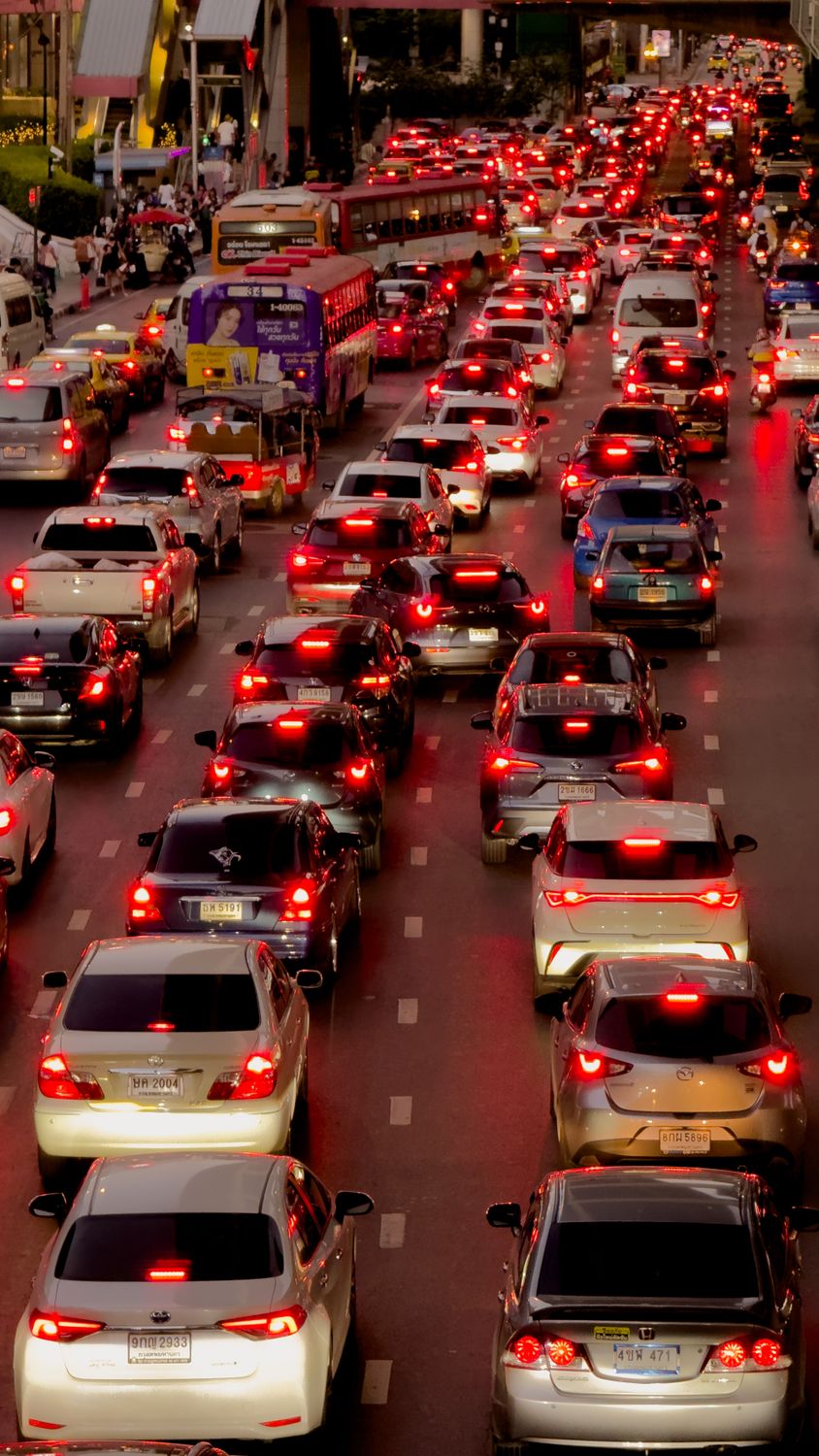
The typical U.S. driver lost 49 hours to traffic congestion in 2025, according to INRIX. That is more than a full workweek spent sitting in a car, moving slowly, waiting for the road to open up.
That number matters because time lost in traffic does not stay on the highway. It follows people home. It cuts into dinner, child care, sleep, exercise, errands, and the small breathing room many households already struggle to protect.
The cost is also financial. INRIX estimated that traffic congestion cost the United States at least $85.8 billion in lost time in 2025. That figure does not even fully capture the stress, fuel waste, delivery delays, or business losses that come with a road system under pressure.
In other words, congestion is not just a transportation problem. It is a quality-of-life problem. It is also an economic problem that millions of drivers pay for one frustrating mile at a time.
Chicago Took the Top U.S. Spot, and Drivers Know Why
Chicago became America’s most congested city in the 2025 INRIX rankings, with drivers losing 112 hours. That is not just a rough commute. That is nearly five full days a year disappearing into traffic.
New York City followed with 102 hours lost, while Philadelphia drivers lost 101 hours. Los Angeles and Boston also remained near the top, with 87 and 83 hours lost, respectively. These are not small delays. They are long, repeated interruptions in daily life.
Chicago’s rise is especially striking because New York has long been the city most people associate with traffic chaos. Yet INRIX found that congestion in New York stayed flat in 2025, while Chicago’s delays grew enough to push it into the top U.S. position.
That shift tells us something important. Congestion rankings are not fixed forever. Cities can get worse, but they can also hold the line as policy, travel behavior, and transportation planning change.
The World’s Worst Traffic Shows a Bigger Urban Crisis
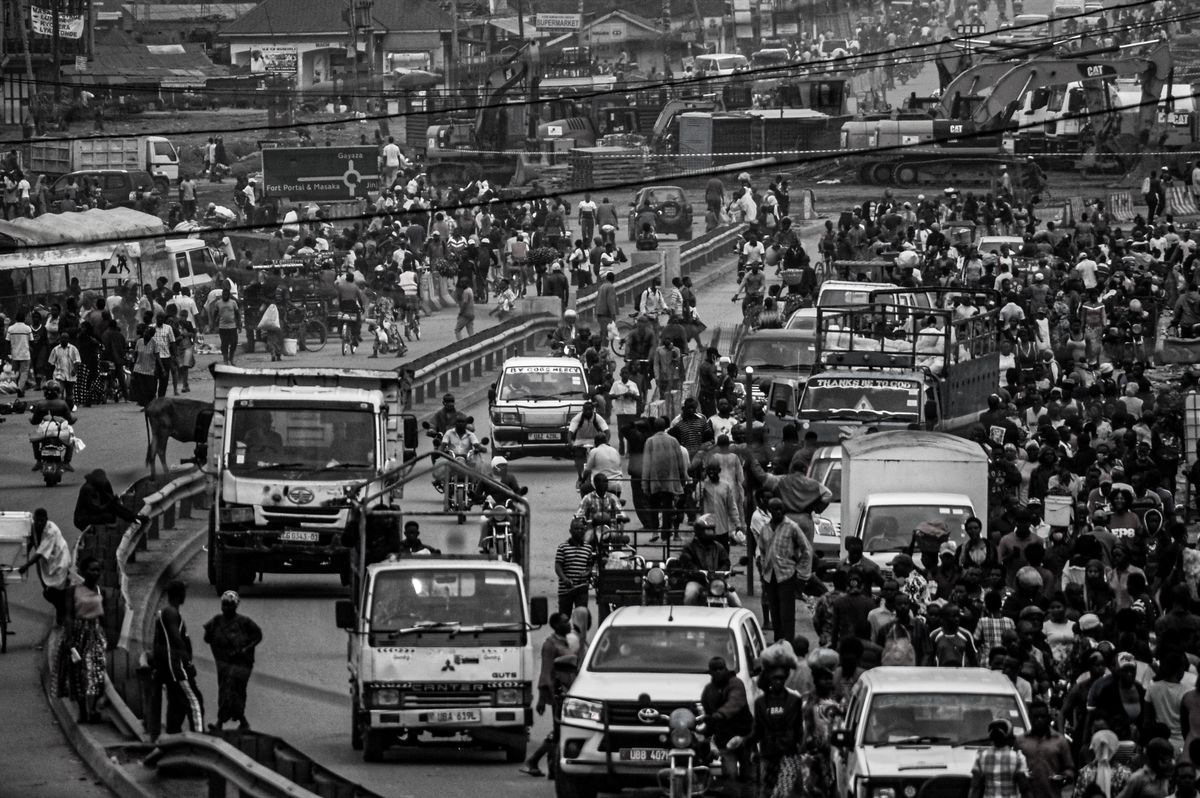
Globally, Istanbul again ranked as the most congested city, with drivers losing 118 hours. Chicago followed with 112 hours, while Mexico City recorded 108 hours.
These cities are very different, but they share the same basic pressure. They are large, economically active, and crowded with commuters, delivery vehicles, buses, taxis, freight trucks, and private cars vying for the same limited road space.
The problem is not simply that people drive. The problem is that modern cities often make driving feel like the only realistic option. When housing is far from jobs, transit is unreliable, and streets are built around cars, traffic becomes the predictable result.
That is why the INRIX Global Traffic Scorecard reads like more than a ranking. It feels like a warning. Cities are growing, but many of their transportation systems are not keeping up.
Traffic Is Back Because Old Habits Are Back
One of the biggest lessons from the 2025 scorecard is that pandemic-era traffic relief did not last. Roads emptied during lockdowns, but that was never a permanent solution. As offices reopened and daily routines returned, congestion came back with force.
In the U.S., INRIX reported that congestion increased in 254 of the 290 cities analyzed. That shows the problem is not limited to a few famous traffic nightmares. It is spreading across metro areas large and small.
Part of the issue is that car commuting has nearly returned to 2019 levels. Public transit, however, has not recovered at the same pace and remains below its pre-pandemic strength. That gap matters because every lost transit rider can become another car on the road.
Hybrid work helped some households, but it did not solve congestion. Many workers now drive on the same peak days, creating new traffic surges. The commute may look different from what it did before 2020, but it is still draining time from American life.
The Hidden Cost Hits Families First

Traffic statistics can feel cold until they reach the kitchen table. A parent stuck in traffic misses dinner. A worker loses sleep because the commute starts before sunrise. A delivery driver falls behind schedule before the day’s second stop.
These small losses add up. A 49-hour annual delay sounds like a number in a report, but in real life, it can mean dozens of evenings cut short. In Chicago, 112 lost hours can feel like an entire season of personal time handed over to the road.
For lower and middle-income workers, the burden can hit even harder. Many people cannot simply move closer to work because housing near job centers is too expensive. They often trade cheaper rent for longer commutes, then pay the difference in gas, repairs, stress, and time.
That is the harsh reality behind modern traffic. Congestion is not equally painful for everyone. The people with the fewest choices often spend the most time stuck in it.
Freight Delays Make Traffic Everyone’s Problem
Even people who work from home still pay for congestion. Trucks carry groceries, building materials, packages, medical supplies, restaurant goods, and retail inventory. When freight slows down, the cost can ripple through the economy.
A delayed truck is not just one vehicle in traffic. It can mean a late delivery, a backed-up warehouse, a missed appointment, or a higher operating cost for a business. Those costs eventually show up in prices, service delays, or tighter margins.
INRIX also highlighted how truck data can help analysts understand trade behavior. During periods of tariff uncertainty, freight movement can reveal how businesses are reacting before traditional data catches up.
That matters because roads are now part of the economic nervous system. When traffic slows, the effects can move far beyond the driver’s seat.
Some Cities Are Proving Traffic Can Be Managed
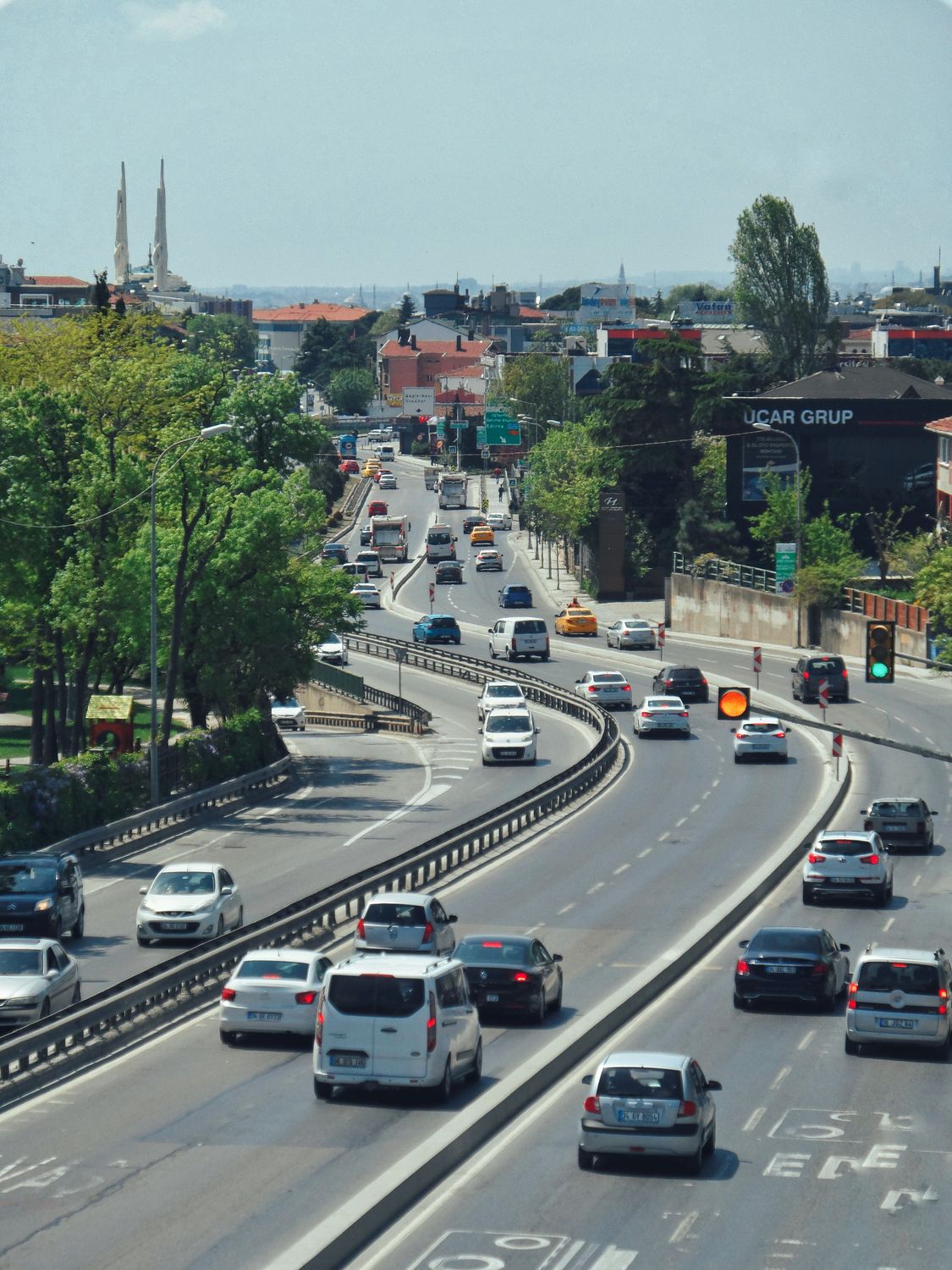
The scorecard also offers a few signs of hope. New York’s congestion remained flat in 2025, while cities such as Paris and Los Angeles saw delays decline slightly. London also reported lower delays compared with the previous year.
These cities still have serious traffic. Nobody would call them easy places to drive. Yet their numbers suggest that policy can make a difference when leaders treat congestion as something to manage, not something to simply endure.
Congestion pricing, stronger transit, redesigned streets, better curb management, and restrictions on central city car traffic can all influence behavior. They do not make traffic vanish overnight, but they can reduce the worst pressure points.
That is the key difference between cities that drift and cities that plan. One accepts gridlock as normal. The other asks why so many people have no better option than driving into the same jam every day.
Shared Mobility Helps, but It Cannot Carry the Whole City.
Scooters, bikes, car sharing, and other shared mobility options continue to grow in some urban areas. For short trips, they can help people avoid driving and reduce pressure on parking. In dense neighborhoods, that can make a real difference.
But shared mobility is not magic. A bike share program cannot fix congestion if the streets are unsafe. A scooter is not useful if riders have nowhere protected to travel. A car-sharing service cannot replace a broken transit system.
These options work best as part of a larger transportation network. They can connect people to trains, buses, offices, campuses, shops, and residential areas. They become far more useful when cities design streets around people, not just vehicles.
The lesson is clear. Shared mobility should be part of the answer, but it cannot be the entire answer.
The Road Ahead Looks Expensive
The United States now faces a difficult transportation reality. Many roads are crowded, infrastructure is aging, transit systems need riders and investment, and housing patterns continue to push people farther from work.
Building more lanes alone will not solve the problem. In many places, more road space simply attracts more driving. That can bring temporary relief, then recreate the same congestion on a larger scale.
The smarter path requires a mix of solutions. Cities need reliable transit, safer walking and biking routes, better traffic signals, smarter freight planning, practical housing policy, and clearer pricing for the most crowded road space.
Drivers do not need another lecture about traffic. They need systems that give them better choices.
The Scorecard Is Really About Lost Life
The INRIX 2025 Global Traffic Scorecard is full of rankings, hours, percentages, and economic estimates. But beneath the data is a simple human story. People are losing time they cannot get back.
Traffic steals quietly. It does not arrive as one dramatic event. It takes a few minutes in the morning, another half hour after work, then another wasted evening when the road fails again.
That is why congestion deserves more attention than it gets. It affects health, money, family life, business, climate, and the basic rhythm of a city. It shapes how people feel before they even arrive at work and how much energy they have left when they get home.
The question is no longer whether traffic is annoying. Everyone already knows that. The question is how long cities will keep asking drivers to pay for poor planning with the one thing they can never replace: time.