10 Diets That Prove Hype Diets Are Slowly Ruining Your Body
Healthy eating should feel sustainable, not like a punishment disguised as a meal plan. Most trendy diets fail because they promise quick results but leave people hungry, exhausted, and frustrated. These ten diets stand out for protecting your heart and brain and boosting your energy, while remaining practical, flexible, and easy to maintain. They rely on real, whole foods instead of ultra-processed gimmicks and teach habits people can actually keep long term.
Mediterranean Diet

The Mediterranean diet builds meals around vegetables, fruits, beans, whole grains, fish, nuts, and olive oil while limiting red meat and sweets. Its strength lies in balance, taste, and long-term sustainability. Unlike fad plans, it does not punish your palate; it teaches you how to enjoy meals that support heart health, energy, and satisfaction without extreme restrictions. Its flexibility makes it a lifelong eating strategy instead of a crash diet.
DASH Diet
DASH focuses on fruits, vegetables, whole grains, low-fat dairy, nuts, fish, and poultry while cutting back on sugar, salt, and processed fats. Its structured approach improves heart health and helps control blood pressure without banning entire food groups. Meals remain practical and satisfying, making it easier to adopt than extreme diets. The emphasis on nutrient-dense foods over empty calories ensures consistent energy and reduced risk of chronic disease.
MIND Diet
The MIND diet combines Mediterranean and DASH principles with a brain-health focus, prioritizing leafy greens, berries, beans, nuts, fish, and poultry. It limits butter, cheese, fried foods, and sweets to protect cognitive function. This approach is smarter than many weight-loss fads because it focuses on long-term mental clarity and memory, not just waistline changes, and offers flavorful, balanced, brain-supportive meals every day.
Flexitarian Diet
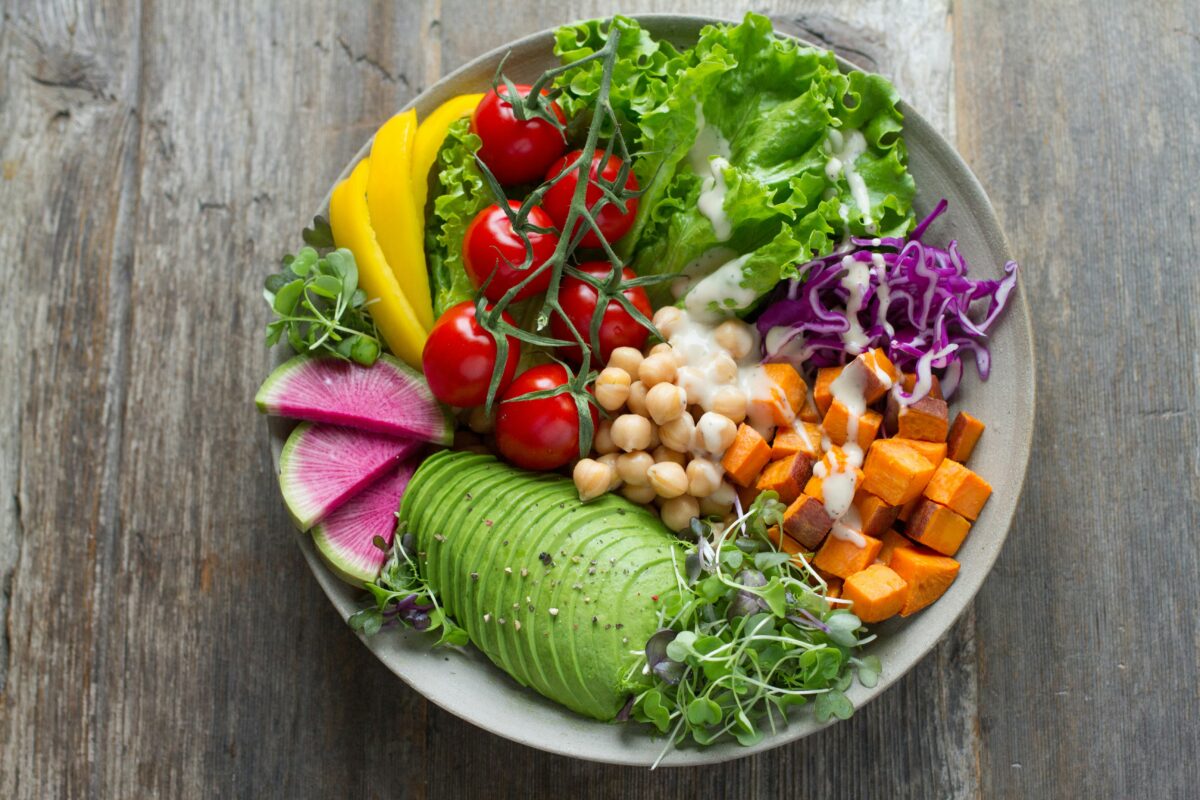
The flexitarian diet primarily emphasizes plant-based meals, including beans, lentils, vegetables, fruits, whole grains, and nuts, while allowing occasional meat. Its flexibility makes it easier to maintain than strict vegetarianism. Replacing some meat-heavy meals with fiber-rich plants improves nutrition and supports health without guilt. This plan works well for families and busy schedules, keeping meals satisfying without extreme rules.
Nordic Diet
The Nordic diet relies on oats, rye, barley, root vegetables, berries, legumes, fish, and unsaturated fats, favoring minimally processed, seasonal foods. It demonstrates that healthy eating doesn’t need exotic superfoods or fancy ingredients. Its hearty, grounded approach delivers fiber, healthy fats, and nutrients in meals that feel natural and sustaining. The focus on regional, whole ingredients makes it practical, affordable, and satisfying.
Plant-Based Diet
A plant-based diet emphasizes beans, lentils, vegetables, fruits, whole grains, nuts, seeds, and healthy oils. Its success depends on avoiding ultra-processed substitutes. When done right, it increases fiber, antioxidants, and nutrient intake while supporting energy and heart health. The key is prioritizing real plants over packaged convenience foods, giving meals volume, texture, and satisfaction without relying on gimmicks or fad marketing.
Pescatarian Diet

The pescatarian diet centers on fish and seafood, paired with vegetables, fruits, beans, whole grains, and nuts. It offers lean protein and omega-3 fatty acids without the risks associated with processed meats. Its effectiveness comes from replacing unhealthy animal products with nutrient-dense seafood while keeping meals flavorful and flexible. Choosing grilled or baked fish over fried options ensures the greatest health benefits for the heart and brain.
Vegetarian Diet
A vegetarian diet works when meals include vegetables, fruits, legumes, nuts, seeds, whole grains, eggs, and dairy, while avoiding refined carbs and sugary snacks. Proper planning ensures adequate protein, iron, B12, calcium, and omega-3s. This approach prevents the pitfalls of fad vegetarianism, offering satisfying, nutrient-rich plates that maintain energy, fullness, and enjoyment while supporting long-term health without extreme restrictions.
Low-Glycemic Diet

Low-glycemic eating emphasizes slower-digesting foods like oats, barley, beans, lentils, nuts, seeds, non-starchy vegetables, and many whole fruits. It stabilizes blood sugar, reduces energy crashes, and curbs hunger. Carbs aren’t banned; they’re paired with protein, fiber, and healthy fats to improve satiety. This approach prevents the highs and lows common in refined-carb-heavy diets, making meals more balanced, filling, and helping maintain consistent daily energy levels.
Whole-Food Balanced Plate
The whole-food balanced plate divides meals into half vegetables and fruit, a quarter whole grains, and a quarter protein from fish, beans, eggs, poultry, or tofu, with healthy fats in moderation. Ultra-processed snacks and sugary drinks are minimized. Simple and realistic, this approach works for busy lifestyles, family meals, and weeknight dinners. Consistency, variety, and balance make it a sustainable pattern that protects long-term health.
Conclusion
These ten diets prove that healthy eating does not require extremes, gimmicks, or miracle promises. Mediterranean, DASH, MIND, flexitarian, Nordic, plant-based, pescatarian, vegetarian, low-glycemic, and whole-food, balanced plates all prioritize real meals, fiber, protein, healthy fats, and reduced intake of ultra-processed foods. The best diet is one you can maintain, enjoying meals that satisfy hunger, support energy, and protect your long-term health without stress or deprivation.