6 Fast Food Chains That Are Harming Local Communities More Than Your Waistline
Fast food does not just sit in the stomach. It settles into neighborhoods, school routes, wage patterns, local traffic, trash cans, and the quiet identity of a town. A burger box tossed near a bus stop, a closed family diner beside a glowing drive-thru, and a teenager working unpredictable shifts all tell the same story. The damage is bigger than calories.
The issue is not that every fast-food restaurant is bad or that every local location harms people. The deeper problem is scale. When national chains spread aggressively, they can reshape local economies in ways that small businesses, workers, and public health systems struggle to absorb.
McDonald’s turns local food culture into a template.
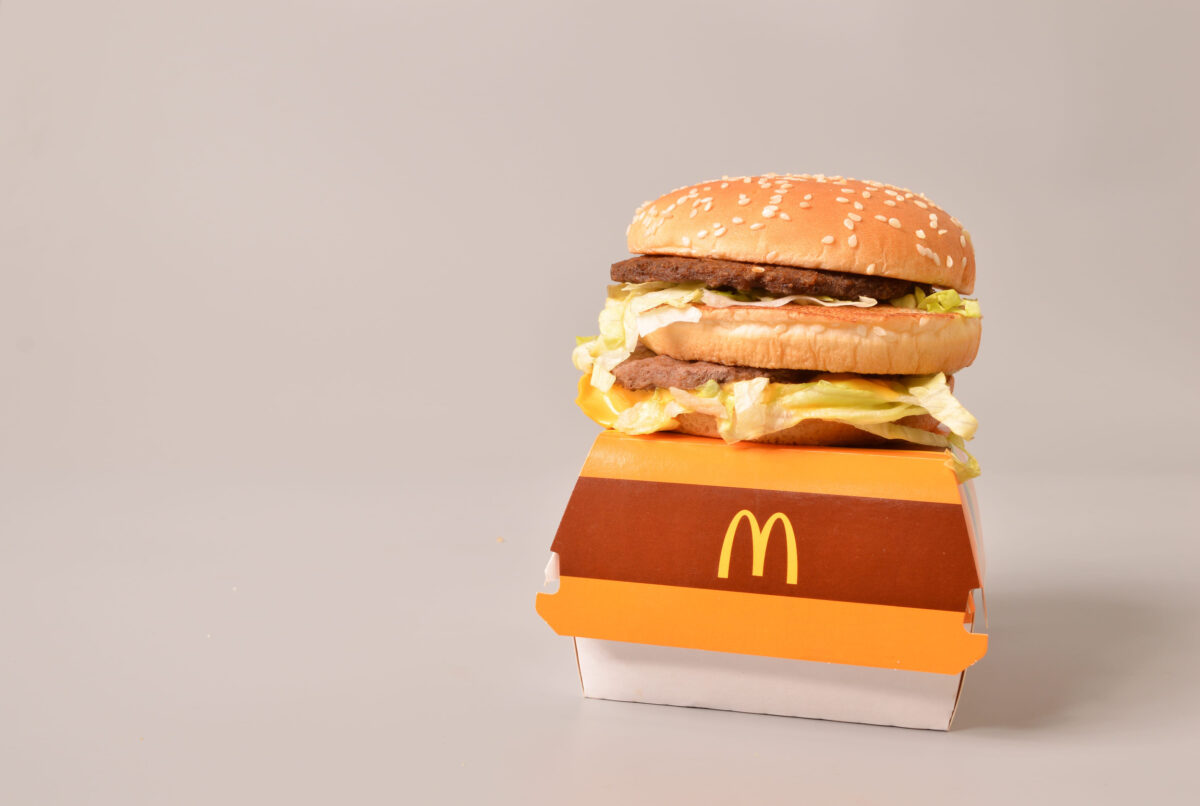
McDonald’s is often treated as harmless convenience, but its greatest community impact comes from sameness. A town may have its own breakfast spot, burger counter, bakery, or late-night diner, but a McDonald’s can make every street corner feel less local and more interchangeable.
That matters economically. Independent restaurants tend to keep far more money circulating nearby through local payroll, services, suppliers, accountants, printers, repairs, and partnerships. One economic comparison found that independent restaurants recirculated about 79 percent of revenue locally, compared with 30 percent for chain eateries. That gap is not just business trivia. It is the difference between a dollar feeding the neighborhood and a dollar leaving it.
McDonald’s also helps normalize the idea that food should be cheap, instant, and available everywhere. That expectation puts pressure on smaller restaurants that cannot buy ingredients on a massive scale or survive on tiny margins. A local diner cannot always match the dollar menu mentality without cutting quality, staff hours, or its own future.
Burger King adds to the drive-thru version of community decline.
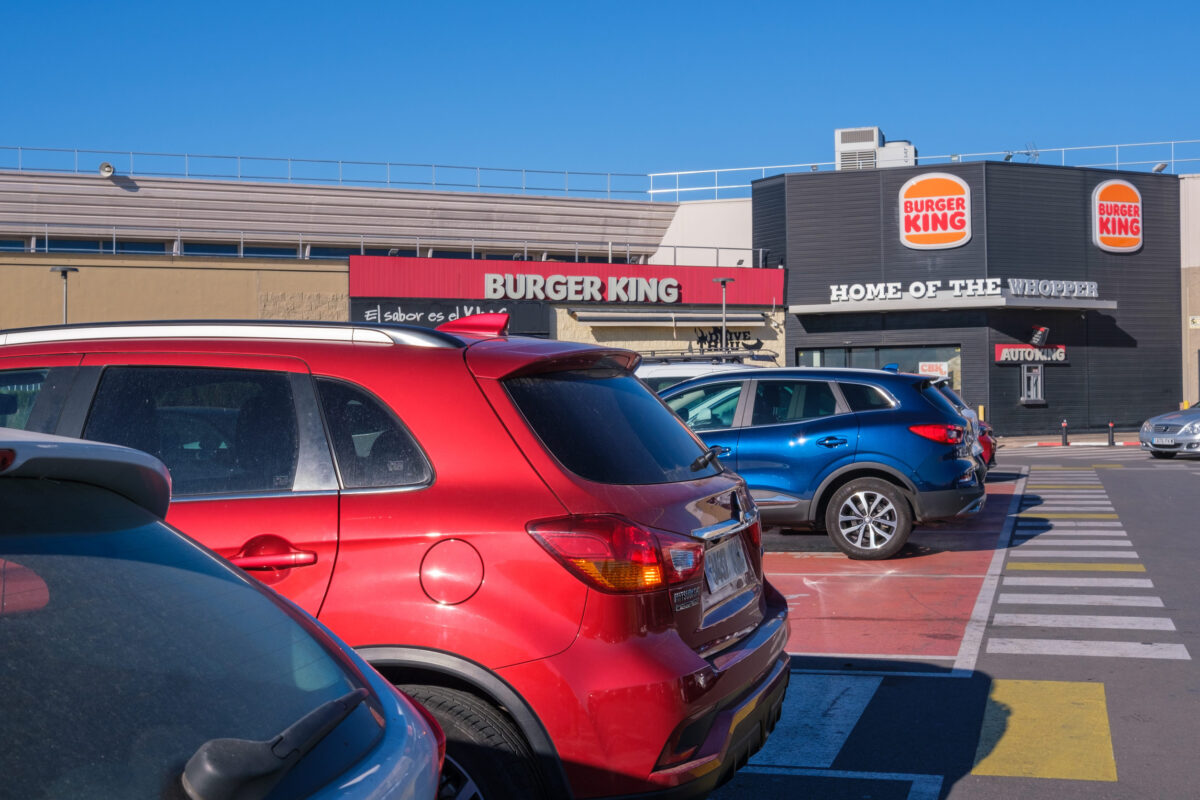
Burger King’s model leans heavily into car-friendly convenience. That may sound normal in American suburbs, but drive-thru culture changes how communities feel. It encourages quick stops, short interactions, more vehicle traffic, and fewer street-level connections.
A neighborhood built around sit-down cafés and walkable food spots feels different from one built around idling lanes, parking lots, bright signage, and wrappers blowing across curbs. The community loses small gathering places and gains transactional food stops. People arrive, order, eat in the car, and leave.
This is where the harm goes beyond personal diet. The USDA’s Food Environment Atlas tracks how store proximity, restaurant access, local food availability, food assistance, and community characteristics interact to shape food choices and diet quality. In plain language, the food businesses around people influence what they eat, what they consider normal, and which food options survive nearby.
Wendy’s feeds the low-wage trap in plain sight.
Wendy’s is not alone here, but it represents a broader fast-food labor problem that communities often overlook. A fast food chain may create jobs, but job creation alone is not enough if the work leaves people financially unstable.
Fast food work remains one of America’s most visible low-wage job categories. Recent federal wage data showed fast food and counter workers among the largest occupations with below-average wages, with annual wages around $32,150 in the May 2025 occupational wage release. That kind of pay can be brutal in cities where rent, gas, childcare, and groceries keep climbing.
When workers cannot live securely on the jobs available in their neighborhood, the community absorbs the stress. Families lean harder on public support, workers take on second jobs, parents lose time at home, and turnover becomes the norm. A cheap meal starts to look less cheap when the surrounding labor system depends on people staying underpaid.
KFC weakens small food businesses that carry a local identity

KFC sells comfort, nostalgia, and familiar flavors. The problem is that this kind of national comfort can crowd out local food traditions. Fried chicken is not just a menu item in many American communities. It is tied to family restaurants, church dinners, neighborhood cookouts, regional seasoning, and local pride.
When a national chain becomes the default option, the local version of the same food has to work harder to get attention. A family-owned chicken spot may have better recipes, deeper roots, and stronger community ties, but it usually cannot match the advertising power, supply chain pricing, or brand recognition of a global chain.
This hurts more than restaurant owners. Local food businesses often sponsor youth teams, hire relatives and neighbors, donate to nearby schools, know customers by name, and keep money moving through other small businesses. When those restaurants disappear, the community does not just lose meals. It loses memory.
Taco Bell turns late-night hunger into a pipeline of processed food.
Taco Bell’s biggest community impact is not just tacos. It is the way it trains people to treat fast, cheap, processed food as the easiest answer after work, school, parties, or late shifts. That matters because habits are shaped by availability.
The broader American diet is already dominated by ultra-processed foods. A CDC-linked federal report found that Americans age 1 and older accounted for about 55 percent of total calories from ultra-processed foods from August 2021 to August 2023, with children and teens accounting for nearly 62 percent. Burgers, sandwiches, pizza, sweetened drinks, snacks, and similar foods were among the major sources.
When chains like Taco Bell cluster near schools, highways, campuses, and low-cost shopping areas, they help make processed meals feel ordinary. The issue is not one burrito after a long day. The issue is a food environment in which the easiest choice becomes the most repeated, and the most repeated choice becomes the community pattern.
Subway makes every corner feel locally owned, even when it usually isn’t.

Subway has long benefited from its image as lighter, simpler, and more neighborhood-friendly than burger chains. The storefronts are smaller, the food looks fresher, and many locations sit inside gas stations, strip malls, campuses, and convenience stores. That softer image can make its community impact easier to miss.
Yet Subway still participates in the same chain effect. It can occupy small commercial spaces that might otherwise be used by independent sandwich shops, delis, bakeries, or lunch counters. It gives landlords a familiar brand and gives customers a predictable option, but predictability can quietly drain variety from a town.
There is also the packaging problem. Takeout-based chains rely on wrappers, cups, bags, lids, napkins, and containers that cities must manage after the sale. Containers and packaging accounted for 82.2 million tons of municipal solid waste in 2018, or 28.1 percent of total generation. Communities pay for cleanup, landfill pressure, storm drain maintenance, and litter control long after the meal is gone.
Conclusion
Fast food chains harm communities most when people only judge them by taste, price, or calories. The more serious damage shows up in weaker local businesses, lower-quality food environments, wage pressure, traffic-heavy design, packaging waste, and the slow disappearance of neighborhood character.
McDonald’s, Burger King, Wendy’s, KFC, Taco Bell, and Subway are not dangerous because one meal ruins a life. They are dangerous because their scale turns private choices into public patterns. A single restaurant may seem harmless, but hundreds of similar locations can reshape what a community eats, how it works, where money goes, and which small businesses survive.
Communities do not need to ban every fast food chain to protect themselves. They need stronger local business support, fair labor enforcement, smarter zoning, better food access, cleaner packaging rules, and residents who understand that every purchase is a small vote for the kind of neighborhood they want to live in. Cheap food can become very expensive when the real bill comes due for the community.