Musk Threatens Lawsuit After Ro Khanna Links USAID Cuts to Millions of Children at Risk
Elon Musk has never been afraid of a fight, but his latest clash with Rep. Ro Khanna has moved far beyond the usual online noise.
This time, the argument is not only about politics, spending, or one billionaire’s role in Washington. It is about whether billionaire-backed government cuts should be subject to public accountability when children’s lives may be affected.
Khanna argued that Musk should answer for DOGE-linked cuts to USAID, pointing to research warning that deep reductions in foreign aid could put millions of vulnerable children at risk by 2030. Musk pushed back sharply, rejected the claim, and threatened legal action.
That instantly turned the dispute into something larger. Is Khanna raising a fair accountability question about one of the most powerful private citizens in America, or is he making a reckless political accusation that crosses the line?
Either way, the fight now sits at the uncomfortable intersection of money, power, public health, and political blame.
A Billionaire, a Congressman, and a Claim Too Serious to Ignore
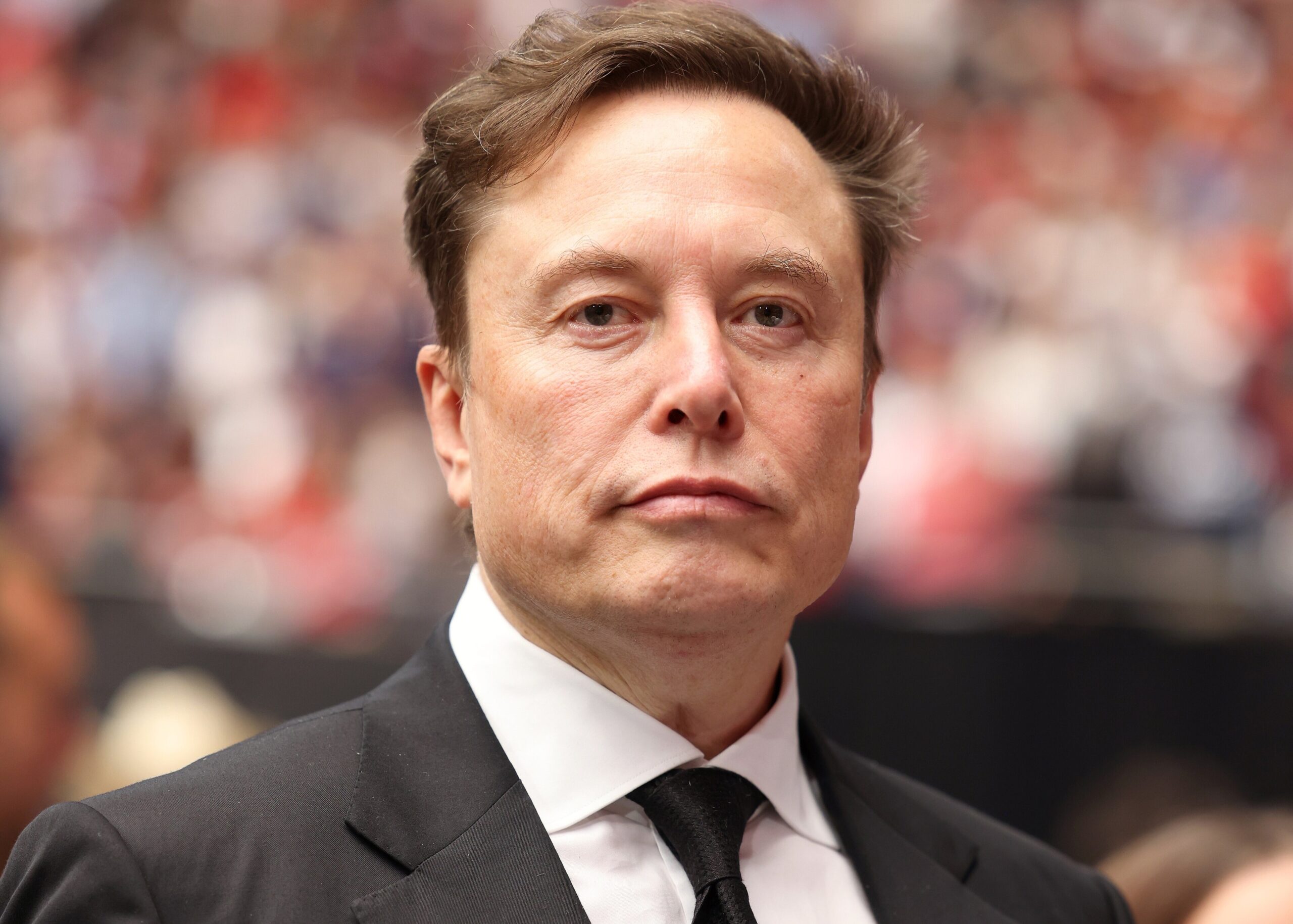
Khanna’s argument is built around a devastating projection. Research published in The Lancet warned that continued USAID defunding could lead to more than 14 million additional deaths by 2030, including 4.5 million children under five.
That does not mean Musk personally caused those deaths. It also does not mean every projected death can be tied directly to one person, one office, or one decision. Projections are warnings, not verdicts.
But Khanna’s broader point is that Musk helped shape DOGE’s government-cutting campaign, including cuts that affected foreign aid. If those cuts damaged lifesaving programs, Khanna argues, the public deserves answers.
Musk sees it differently. He has rejected the accusation and suggested that the claim was false enough to justify a lawsuit. His defenders will argue that he was trying to expose waste and fraud, not harm children.
That is why the story is explosive. One side sees accountability. The other sees character assassination.
The Aid Cuts Debate Has a Human Cost

Foreign aid is easy to attack in American politics. Many voters hear “USAID” and think of waste, corruption, foreign spending, and money leaving the country while families at home struggle with groceries, rent, health care, and debt.
That frustration is real. Americans have every right to ask where their tax dollars go and whether those dollars are being used wisely.
But USAID is not only a budget line. In many countries, it has helped fund medicine, nutrition programs, HIV treatment, malaria prevention, maternal care, vaccines, and emergency food support.
When those systems are cut suddenly, the impact may not look dramatic on day one. It can show up later in clinics with fewer supplies, families without treatment, and children without basic care.
That is the hard part of this fight. One side talks about waste. The other talks about survival. Both issues matter, but the human cost cannot be brushed aside as just another political talking point.
The Lawsuit Threat Changes the Conversation
Musk’s threat to sue adds a new layer to the dispute. It shifts the story from a debate over foreign aid into a bigger argument about speech, power, and accountability.
Public officials are allowed to criticize powerful private citizens. Powerful private citizens are also allowed to defend themselves when they believe they have been falsely accused.
But when one of the richest and most influential people in the world threatens legal action over a political statement, critics will ask whether that could chill public debate. Will lawmakers become more cautious about naming billionaires? Will activists hesitate before linking powerful people to harmful policy outcomes?
At the same time, Musk’s supporters will argue that Khanna’s language was not ordinary criticism. Linking someone to millions of children at risk is a serious charge. Serious charges require serious proof.
That is why both men have something to answer for.
Accountability Should Not Depend on Party Lines
The strongest part of Khanna’s argument concerns accountability. If DOGE influenced cuts affecting USAID, the public deserves to know how those decisions were made.
Which programs were reviewed? Which cuts were based on documented waste? Which programs were lifesaving? Were health experts consulted? Did anyone measure the likely consequences before major changes were made?
Those are fair questions.
But Musk’s side also raises a fair concern. If a politician publicly suggests that one person’s actions are linked to millions of children at risk, that politician should explain the evidence clearly and carefully.
Accountability should apply to everyone. Musk should not be above scrutiny because he is wealthy. Khanna should not be careless when attacking someone powerful.
Both men are operating in a public arena where words, money, policy, and influence can carry real consequences.
Why Americans Should Care
Some Americans may ask why they should care about USAID when there are serious problems at home. That is a fair question. Families across the country are dealing with high costs, medical bills, crime concerns, school issues, and job pressure.
But this story still matters because it shows how government cuts are sold, defended, challenged, and judged.
If leaders can cut large programs quickly and argue about the human cost later, voters should ask what happens when the same style of cutting reaches programs closer to home.
Efficiency is good. Waste should be exposed. Fraud should be punished. But when budget cutting becomes a political performance, real people can become invisible.
That is where the danger begins.
A Fight Built for Debate
This story will divide readers because it touches three sensitive American issues at once: distrust of government spending, distrust of billionaires, and distrust of politicians.
Some will say Musk is right to defend himself from a brutal accusation. Others will say Khanna is right to demand answers from a billionaire who helped influence federal policy. Some will see USAID as wasteful. Others will see it as lifesaving.
The truth may not fit neatly into one partisan box.
America can demand cleaner government spending without ignoring human consequences. It can question USAID without pretending every aid program is useless. It can scrutinize Musk without blaming him for every projected outcome. It can challenge Khanna without entirely dismissing warnings about child mortality.
The real question is whether America can still separate accountability from accusation.
Because if aid cuts put millions of children at risk, the public deserves more than a billionaire’s angry denial or a politician’s viral soundbite.
It deserves facts, hearings, evidence, and the courage to ask who pays the price when powerful people decide what gets cut.