California Residents File Lawsuit Alleging AI-Powered Gas Price Fixing at Major Stations
For many California drivers, filling up the tank has become an increasingly painful routine. At some stations, prices have climbed past $6 a gallon, forcing commuters, delivery workers, and families to rethink how far they can afford to drive.
Now, a new lawsuit is putting a controversial explanation at the center of that frustration: artificial intelligence.
Three California residents are suing a fuel pricing company and several major gas station operators, alleging that AI-driven pricing systems are being used to raise gasoline prices in ways that cannot be explained by normal market forces.
The case names several well-known retailers, including Walmart, Sam’s Club, and 7-Eleven, along with other fuel retailers and pricing technology firms, according to court documents filed in federal court.
The lawsuit, filed on June 22 in the U.S. District Court for the Eastern District of California in Sacramento, seeks class-action status on behalf of California drivers who say they have been overcharged at the pump.
What the Lawsuit is Alleging
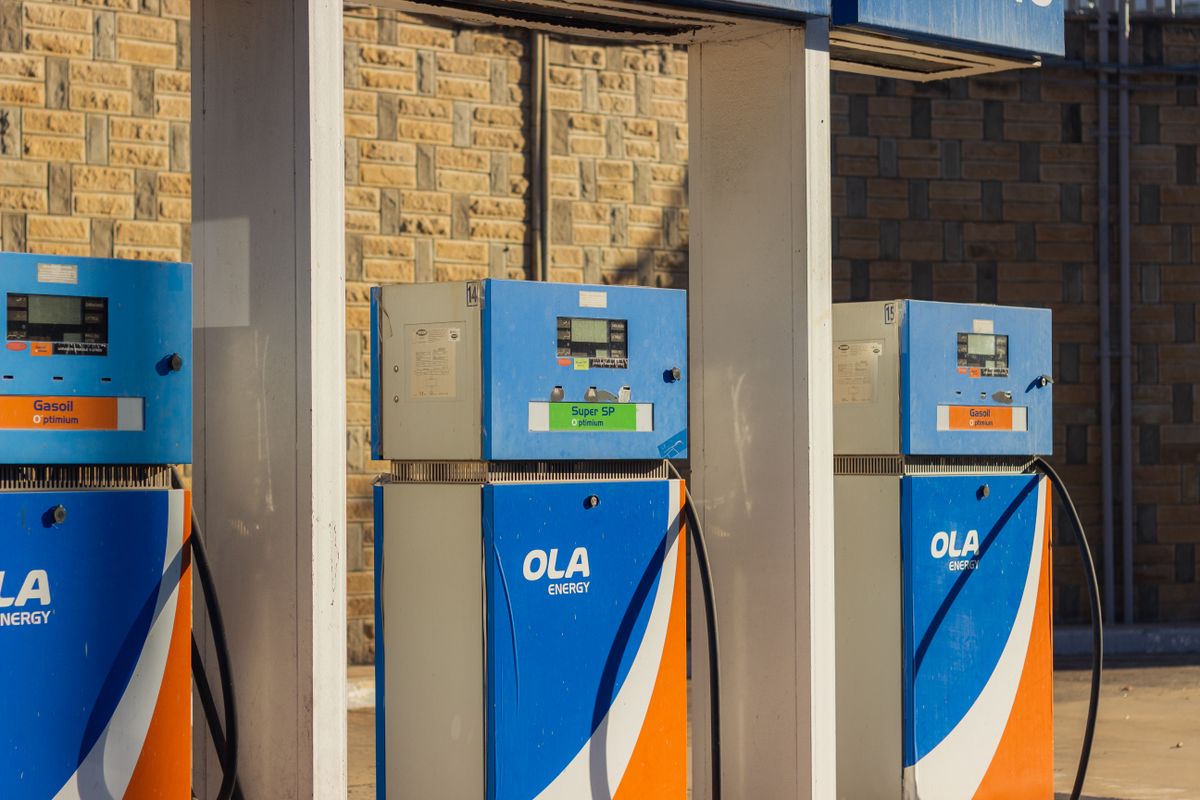
According to the complaint, the plaintiffs argue that gasoline prices in parts of California have become “uncompetitive” due to the use of algorithm-based pricing systems.
The filing claims that these systems rely on artificial intelligence tools that continuously adjust fuel prices based on competitor data, demand signals, and other market inputs. The plaintiffs allege that, instead of encouraging competition, these tools may be creating coordinated price movements that keep prices elevated across stations.
The lawsuit states that Californians are being charged “surcharges that cannot be explained by crude oil costs, refining costs, environmental regulation, or taxes,” according to court documents.
At the center of the case is the claim that AI-powered pricing tools are not just reacting to the market, but potentially shaping it in ways that reduce real competition.
The defendants have not yet publicly responded in detail to the allegations in the filed complaint.
Why Drivers are Paying Attention
For California residents, this case taps into a long-standing frustration: gas prices in the state are consistently among the highest in the United States.
Daily commuters say even small increases at the pump quickly add up. Rideshare drivers, delivery workers, and trucking operators feel the impact most sharply, as fuel is one of their highest operating costs.
Many consumers already suspect that gas prices move in ways that feel disconnected from global oil trends. The lawsuit gives that concern a new angle by pointing to technology rather than traditional market forces.
If the allegations gain traction in court, it could raise broader questions about how pricing algorithms affect everyday consumer goods beyond fuel, including groceries and transportation services.
The Companies Named in the Case
The lawsuit targets a mix of large retailers and fuel station operators, as well as a pricing technology firm that allegedly provides algorithmic pricing tools.
Companies named include Walmart, which operates fuel stations at select locations, Sam’s Club, which offers member-based fuel pricing, and convenience store operator 7-Eleven, which runs thousands of fuel locations across the United States.
The plaintiffs also name additional gas station operators and software providers involved in automated pricing systems, though full legal arguments will be tested as the case moves forward.
Legal experts note that algorithmic pricing is not illegal on its own. Many industries use automated systems to adjust prices in real time. The key question in this case is whether those systems are being used in a way that violates antitrust laws by reducing competition.
Background: Why AI P}ricing is Under Scrutiny
In recent years, retailers and fuel companies have increasingly adopted artificial intelligence tools to manage pricing.
These systems can adjust prices within seconds or even minutes in response to changes in competitors, supply conditions, and consumer demand patterns. Supporters say the technology improves efficiency and helps businesses respond quickly to market shifts.
However, critics argue that when multiple companies rely on similar algorithms, prices can begin to move in sync without any explicit agreement between competitors.
That concern has already drawn attention from regulators and economists who are watching how automated pricing tools influence inflation and consumer costs.
This California case adds another layer by directly connecting AI-driven pricing systems to alleged overcharging at the gas pump.
What Happens Next in Court
The lawsuit is still in its early stages. The complaint has been filed, but the defendants will have an opportunity to respond, likely by challenging the claims or seeking dismissal.
If the case moves forward, the court will first decide whether it can proceed as a class action representing potentially thousands of California drivers.
Discovery would then follow, where internal documents, pricing models, and communications related to the AI systems could be reviewed in detail.
No trial date has been set.
Why This Case Could Matter Nationwide
Even though the lawsuit is filed in California, its implications could extend far beyond the state. If the plaintiffs succeed in proving that algorithmic pricing tools contributed to artificially elevated fuel prices, it could prompt new scrutiny of how AI is used in retail pricing across the country.
Gas stations are just one example. Similar systems are already used in airline tickets, hotel bookings, ride-sharing apps, and online retail.
For everyday consumers, the core question is simple but significant: when prices change on their own, who is really setting them?
As the case moves forward, it could become one of the early legal tests of how far artificial intelligence can go in shaping the cost of daily life and where the line between competition and coordination truly begins.