10 Everyday Foods That Aren’t What You Think
We like to believe that the foods we eat are honest and straightforward, but much of what’s on our plate is “fake food” in disguise. These aren’t novelty items; they’re products that mimic taste, texture, or appearance while cutting corners with artificial ingredients, cheaper substitutes, or misleading labeling.
From sushi condiments to pantry staples and restaurant favorites, fake foods are everywhere. Recognizing these impostors helps you make smarter choices, eat healthier, and avoid the shock of realizing your favorite items aren’t as real as you thought. Here are ten foods to watch for.
Movie Theater “Butter” That Isn’t Butter

The rich, yellow topping ladled over popcorn at cinemas isn’t real dairy butter; it’s a processed oil blend with artificial flavoring and color. It sticks to popcorn, tastes buttery, but contains none of the natural fats or nutrients of true butter.
Enjoying it occasionally is fine, but treating it as real butter in nutrition calculations can mislead your diet. That flavor comes from chemistry, not cream.
Bright Green Wasabi That’s Really Horseradish
That neon green paste you dip with sushi isn’t usually authentic wasabi. Restaurants often mix horseradish, mustard, and green dye to mimic the pungent flavor of real wasabi.
While it still delivers heat and taste, you’re not getting the rare root that adds subtle complexity and freshness. True wasabi is expensive for a reason: most of what you encounter is an imitation.
What’s labeled “white tuna” in restaurants or grocery stores is often escolar, a completely different fish that can cause digestive issues. The substitution allows suppliers to sell at a higher price under a familiar name.
If you’re ordering white tuna sushi or canned tuna, double-check the source. Your taste buds might enjoy it, but your digestive system may pay the price.
Bottled “Fruit Juice” That’s Mostly Sugar

Many supermarket fruit juices aren’t pure fruit at all. They’re water, sugar, and artificial flavoring made to taste like the fruit on the label, often with little real juice content.
Your morning glass might provide a sugar spike but barely any vitamins or fiber. Making your own juice or sticking to whole fruit is a far healthier choice.
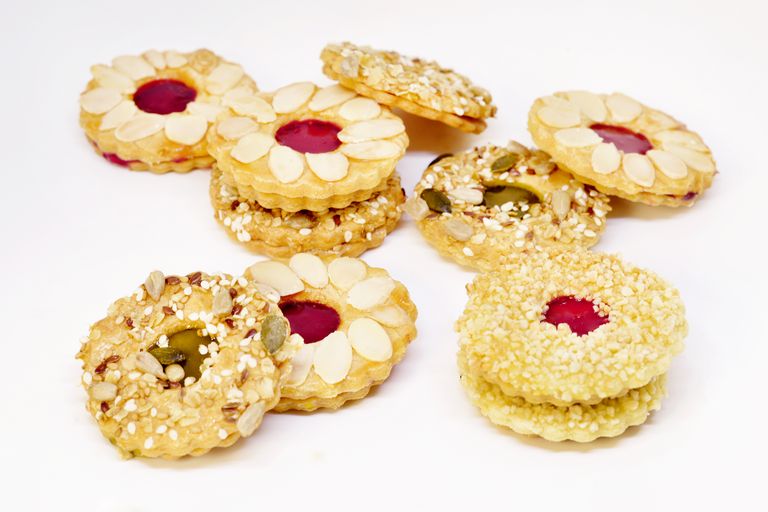
Giant Bakery Cookies Packed With Sugar
Those oversized cookies at Costco or supermarket bakeries are mostly sugar, refined flour, and fat. They’re visually tempting, but a few bites can deliver more sugar than you realize.
Splitting a cookie or choosing fruit-based alternatives helps satisfy cravings without tipping your daily intake into overload.
Truffle Oil That’s Synthetic Aroma
Truffle oil is often praised as a luxurious seasoning, but most bottles contain lab-made compounds that mimic truffle aroma. Few use real truffles at all, meaning your expensive drizzle is mostly chemistry.
It’s designed to deliver punchy flavor at minimal cost, but don’t mistake it for an authentic truffle experience.
Imitation Cheese Toppings
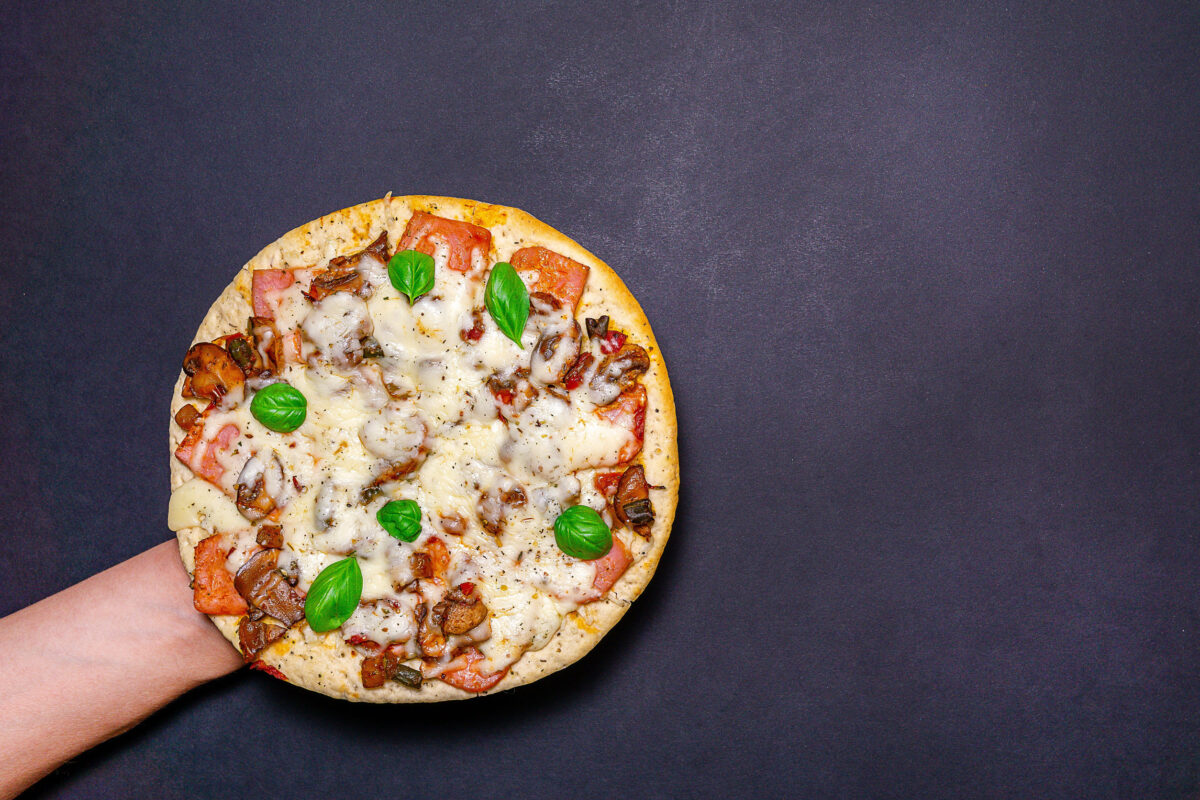
Packaged cheese on frozen pizza or snacks can be mostly oils, starches, and artificial flavoring. It melts and looks like cheese, but lacks the dairy content and nutritional benefits of real cheese.
This isn’t just a taste issue; it’s a hidden swap that changes your meal’s quality and nutrient profile. Real cheese may be pricier, but it’s authentic and wholesome.
Overstuffed Chicken Rollups
Costco-style chicken bakes or similar items are high in processed meat, cheese, and creamy sauces, turning a handheld meal into a high-calorie snack with minimal nutrition.
Choosing grilled chicken or a fresh deli option gives protein without unnecessary fats and sodium. Convenience doesn’t have to come at a nutritional cost.
Powdered Spices Filled With Fillers
Some supermarket spice jars contain fillers like plant stems or dyed particles to bulk up the weight. The flavor may not be as strong, and the “premium” labeling is often misleading.
High-quality whole spices deliver taste, aroma, and authenticity, and your dishes benefit more than from filler-laden powders.
Maple Syrup That’s Actually Corn Syrup

Many “maple” syrups are sugar syrups with added flavoring, not real sap boiled from maple trees. They mimic the taste but offer none of the trace nutrients or complexity of real maple syrup.
True maple syrup is rare and more expensive for a reason. If it’s cheap and bright, it’s likely a sweetener masquerading as real syrup.