New $60 Grocery Benefit Could Help More Families Buy Fresh Produce, Even If They Do Not Receive SNAP
A new proposal in Congress could give eligible families up to $60 a month to spend on fruits and vegetables at participating stores, including major retailers like Walmart, creating a new form of food assistance aimed at households that often fall between traditional government programs and rising grocery costs.
The Fresh Bucks for Fresh Produce Act would not replace SNAP benefits, but it would create a separate produce-focused program that could reach some moderate-income families who earn too much to qualify for traditional food assistance. The proposal comes as millions of Americans continue feeling pressure from higher grocery bills, especially when trying to afford healthier foods.
The idea behind the bill is simple: help families buy more fresh produce while addressing a growing concern that many working households struggle to afford nutritious options. However, the program still faces a long legislative process before anyone receives payments.
A New Grocery Benefit Could Reach Families Left Out of Traditional Assistance Programs
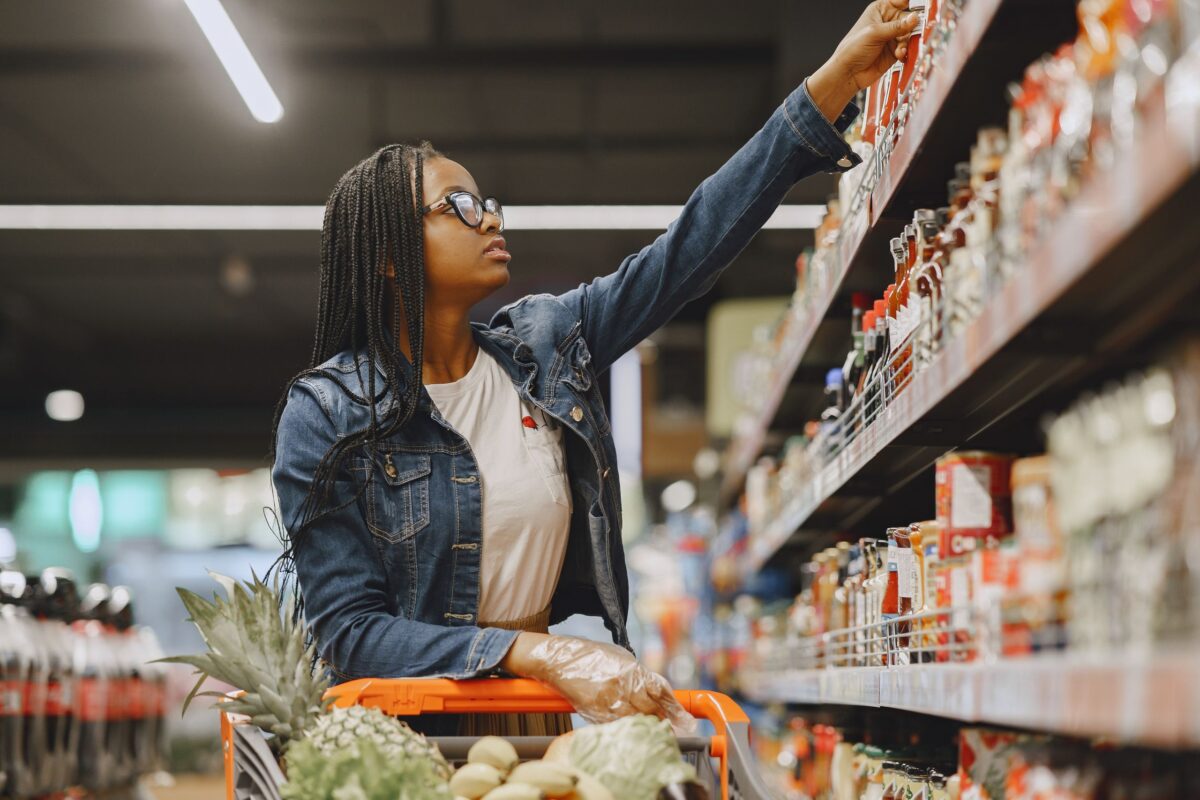
The proposed Fresh Bucks for Fresh Produce Act would create a pilot program allowing participating states to provide up to $60 each month for eligible households to purchase fruits and vegetables. The benefit would be loaded onto an existing EBT card for SNAP recipients, while qualifying households who do not receive SNAP could receive a separate card.
The proposal is designed to reach families who may face financial pressure but do not qualify for traditional food assistance. Supporters argue that many households are caught in the middle: they earn too much for SNAP but still struggle with rising housing costs, grocery prices, and the expense of healthier foods.
Unlike SNAP, which allows eligible recipients to buy a broader range of groceries, the proposed benefit would focus specifically on produce. The funds could be used for fresh, frozen, and dried fruits and vegetables, creating a targeted approach to improving access to healthier foods.
Why Families Earning More Than SNAP Limits Could Still Qualify
One of the biggest differences between this proposal and existing food assistance programs is how income eligibility would be calculated. Instead of using one national income limit, the program would consider local median income levels, meaning qualification rules could vary significantly depending on where a household lives.
Under the proposal, households would need to earn no more than 80% of the median income for their area. That means a family in a lower-cost community may face a lower income threshold, while households in expensive regions could qualify at much higher income levels.
Examples from different parts of the country show how wide the gap could be. In some areas, the limit could be closer to the middle-income range, while in high-cost cities such as San Francisco, households earning around six figures could potentially fall within the eligibility range because local incomes are significantly higher.
The $113,000 Figure Does Not Mean Everyone Under That Income Qualifies.
The possibility of households earning as much as $113,000 qualifying has attracted attention, but the figure requires important context. The proposed program would not create a nationwide rule allowing every family under that income level to receive benefits.
Instead, the number reflects how the formula could work in expensive housing markets where median incomes are much higher than the national average. Federal agencies would establish the exact guidelines if the program becomes law, and states would determine participation.
The goal is to measure need based on local economic conditions rather than applying the same standard to every household across the country. Supporters say this approach recognizes that a family’s financial challenges can look very different depending on where they live.
Why the Proposal Focuses Only on Fruits and Vegetables
The decision to restrict the benefit to produce is a major part of the proposal. Supporters argue that fresh fruits and vegetables are often among the first items families reduce when grocery budgets become tight.
Unlike many packaged foods, fresh produce can become more difficult to afford when prices rise. Lawmakers behind the proposal argue that a targeted benefit could help families maintain healthier diets without forcing them to choose between affordability and nutrition.
Critics of produce-only programs have questioned whether families should have more flexibility in deciding how to spend assistance. The debate reflects a larger question about food programs: should government support focus on specific health goals, or should families have complete control over purchasing decisions?
Walmart and Grocery Stores Could Become Key Locations for the New Benefit
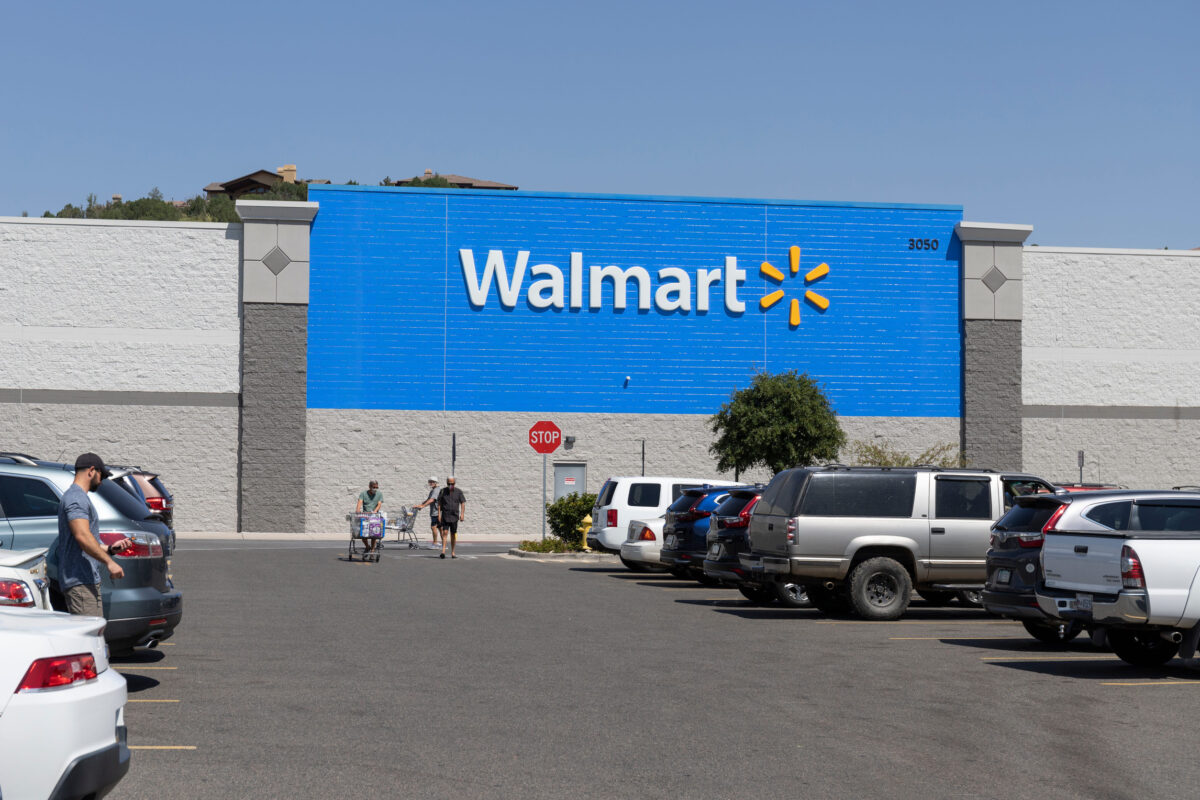
If approved, the program could have a major impact on grocery retailers that already accept EBT payments. Large chains such as Walmart and other participating stores could become important locations where families use their produce benefits.
The program could also influence how retailers manage their produce departments, supplier relationships, and customer service. Increased demand for fruits and vegetables could create new opportunities for grocery businesses that participate.
For retailers, government food programs are not only about transactions. They also influence shopping patterns, customer loyalty, and how stores respond to changing consumer needs.
The Proposal Was Inspired by Local Fresh Produce Programs
Supporters of the legislation point to existing local programs as examples of how produce incentives can work. Similar initiatives, including programs in Seattle, have aimed to increase access to fruits and vegetables among families facing food insecurity.
These programs operate on the idea that small financial incentives can change shopping habits. By lowering the cost barrier, supporters believe more families may be willing and able to purchase fresh foods regularly.
The proposed federal program would expand that concept by allowing more states to participate. However, lawmakers would still need to determine funding levels, eligibility rules, and implementation details before it could become available.
A New Produce Benefit Could Also Affect Farmers and Local Food Systems
The proposal is not only focused on consumers. Supporters argue that increasing demand for fruits and vegetables could also benefit farmers, local producers, and food markets.
Programs that encourage produce purchases can create stronger connections between consumers and agricultural suppliers. Farmers markets, local growers, and regional food businesses could potentially see increased participation if states develop programs that include them.
The impact would depend on how states design their programs and which retailers and producers participate. The success of the program would likely depend on whether families can easily access eligible foods in their communities.
Food Access Is About More Than Money in Some Communities
While financial assistance can help families afford groceries, access remains another challenge in many parts of the country. Some communities, especially rural areas and neighborhoods with fewer grocery stores, face limited availability of fresh foods.
A produce benefit only works if families have places nearby where they can use it. Transportation, store availability, and local food options could influence how effective the program becomes.
This means implementation decisions will matter as much as the funding itself. States may need to consider not only who qualifies but also whether communities have realistic access to the foods the program supports.
The Bill Still Faces a Long Road Before Families Receive Benefits
Although the proposal has gained attention, families should not expect immediate payments. The Fresh Bucks for Fresh Produce Act must first pass through Congress before becoming a federal program.
After introduction, the bill was referred to the House Committee on Agriculture for review. Lawmakers could amend the proposal, advance it for a vote, or decide not to move it forward.
If approved by the House, the measure would still need to pass the Senate and receive presidential approval before implementation could begin.
The Bigger Debate Over America’s Future Food Assistance System
The Fresh Bucks proposal reflects a broader discussion about how the United States approaches food insecurity. Traditional programs such as SNAP have helped millions of Americans, but lawmakers continue debating whether new approaches are needed as grocery costs change.
Supporters see the proposal as a way to help families access healthier foods while reaching people who may not qualify for existing assistance. They argue that improving nutrition today could have long-term benefits for communities.
Whether the program becomes law remains uncertain, but the proposal highlights a growing concern across America: many families are not simply struggling to find food; they are struggling to afford the kind of food they want to provide for their households.