Car Insurance Bills Keep Climbing Across America, and Drivers Have Few Ways Out
For many American drivers, the most painful bill in the mailbox is no longer the car payment. It is the insurance renewal that arrives quietly, looks ordinary, and then lands like a punch.
Across the country, drivers are receiving notices that tell the same story in different numbers. Some are paying more for full coverage than they did for a used-car loan a few years ago. Others are cutting down to basic liability, raising deductibles, delaying repairs, or wondering whether they can afford to keep driving at all. The anger is not only about the price. It is about the feeling of being trapped inside a bill they are legally required to pay.
Car insurance has become one of America’s most frustrating cost-of-living problems because it sits at the crossroads of everything else that has gotten expensive. Cars cost more to repair. Parts cost more. Labor costs more. Weather damage is more destructive. Medical claims are expensive. Theft still hits major metro areas. And insurers, after years of heavy losses, are pricing that risk back into the monthly premium.
That leaves drivers with a bitter question: if driving is how you get to work, and insurance is required to drive, what choice do you really have?
The Bill Drivers Cannot Simply Drop.

Unlike a streaming subscription or a restaurant meal, auto insurance is not something most people can easily cancel. In nearly every state, drivers must carry at least minimum liability coverage. Lenders usually require full coverage if the car is financed or leased. Millions of households are locked into a cost that keeps taking a bigger bite out of their paychecks, making it hard to escape.
The numbers explain why the pressure feels so heavy. Insurify’s 2026 data puts the current U.S. average at more than $2,200 a year for full coverage and more than $1,100 a year for liability only coverage. The Zebra’s 2026 analysis puts the average cost at $1,163 for a six-month policy, or about $194 a month, and says that average is up 18 percent from the previous year.
Those are national averages, not worst-case stories. Insurify reported that four states now have average annual full coverage costs above $3,000, while Washington, D.C., is above $4,000. For some families, that is the difference between staying current and falling behind.
Even When Rates Cool, The Pain Stays
There is a twist in the data that complicates the story. Federal inflation data showed motor vehicle insurance falling in May 2026 and down over the year. Some insurers have also lowered rates in certain states as the market stabilizes.
But that does not mean drivers are suddenly feeling relief. Many premiums surged so sharply in prior years that even a small decline does not bring the bill back to its previous level. A household that watched its premium jump by hundreds of dollars may not feel comforted by a modest decrease. The problem is cumulative.
That is why drivers can read that insurance inflation is cooling and still feel like they are losing ground. Their personal renewal notice is not an economic chart. It is a direct hit to the checking account.
Modern Cars Are Safer, Smarter, And Costlier To Fix

One major reason insurance has become so expensive is that today’s vehicles are rolling technology platforms. The same safety systems that help prevent accidents can make repairs much more expensive when crashes happen.
A bumper may contain sensors. A windshield may connect to cameras. A side mirror may include blind spot detection. A small fender bender may require diagnostic work and calibration, not just paint and parts. CCC Intelligent Solutions reported in its 2026 Crash Course analysis that 28.3 percent of repairable estimates now include calibrations.
The same report found that total loss frequency reached 23.1 percent of claims, a new industry high. That means more damaged vehicles are being declared too costly to fix. For insurers, more expensive repairs and more total losses mean higher claim costs. For drivers, those costs eventually show up in premiums.
The Bureau of Labor Statistics also shows why the repair side still matters. In May 2026, motor vehicle maintenance and repair was up 6.1 percent over the year, while motor vehicle body work was up 6.8 percent, and maintenance and servicing was up 7.4 percent.
Weather Is Now Part Of The Premium

Drivers may think of car insurance as protection against crashes, but weather has become an increasingly large part of the bill. Hailstorms can damage thousands of cars in one afternoon. Floods can turn vehicles into total losses. Hurricanes can destroy cars across entire regions. Wildfires can wipe out vehicles, homes, and businesses.
NOAA data shows the United States recorded 403 confirmed billion-dollar weather and climate disasters from 1980 through 2024. The long-term annual average was 9 events, but the average for the most recent five years was 23 events. That kind of disaster frequency does not stay separate from insurance markets.
When insurers pay for large catastrophe losses, they reprice risk. A flooded car is still an auto claim. A hail-damaged truck is still an auto claim. When the weather gets expensive, drivers often pay for it too.
Theft Has Improved, But It Has Not Disappeared
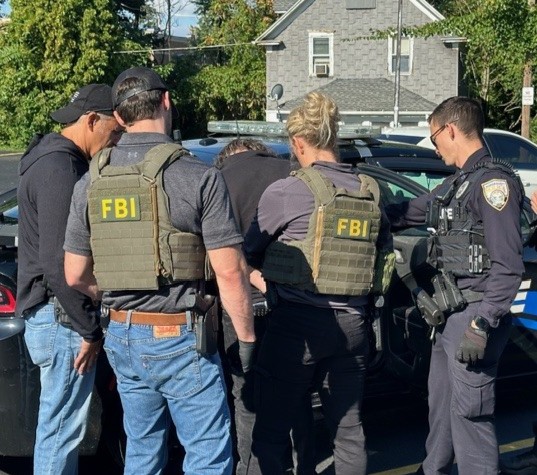
Vehicle theft is another cost driver that varies sharply by location. The National Insurance Crime Bureau reported that U.S. vehicle thefts fell 23 percent in 2025 to 659,880 reported stolen vehicles, the lowest level in decades. That is real progress.
But the same report noted that one vehicle was still stolen every 48 seconds, and theft remains concentrated in large metro areas. California, Texas, Illinois, Florida, and New York had the highest theft totals in 2025. For drivers in high theft ZIP codes, the national improvement may not translate into a cheaper policy.
Insurance is local. If your area has higher rates of theft, crashes, uninsured drivers, lawsuits, or repair costs, your rate can rise even when another state sees relief.
The Escape Routes Come With Risks
Drivers are responding the only way they can. Some shop around. Some raise deductibles. Some cut full coverage. Some drive less. Some delay repairs. Some simply pay the bill with a credit card and hope next month is easier.
But many of those choices carry danger. Raising a deductible can lower the premium, but it also means a driver may need $1,000 or more on hand after a crash. Dropping full coverage can reduce the monthly bill, but it can leave a driver exposed if the car is stolen, flooded, or totaled. Going uninsured is even riskier because one crash can lead to legal trouble, financial damage, and years of consequences.
That is the trap. The cheaper choices are often the riskier choices.
A Cost Of Living Story With Wheels
The car insurance crisis is not just about insurers, drivers, or bad luck. It is about how expensive it has become to live in a country where driving is often required, and how that makes insurance part of the higher cost-of-living squeeze.
In many communities, public transportation is limited or nonexistent. Jobs are spread across the suburbs. Schools, clinics, grocery stores, and child care may require a car. For people outside dense urban centers, driving is not a lifestyle choice. It is the bridge between survival and opportunity.
Drivers can compare quotes, ask for discounts, maintain clean records, review coverage, bundle policies, and carefully choose higher deductibles. Those steps can help. But they do not solve the larger problem: the cost of risk has risen, and ordinary people are being asked to bear it.
For now, the renewal notice has become a symbol of the new American squeeze. It tells drivers that even if they own the car, fill the tank, obey the law, and avoid accidents, they are still paying for a system shaped by expensive repairs, severe weather, theft, medical costs, lawsuits, and local risk. That is why the ending feels so stark: the bill keeps climbing, and the choices keep narrowing.
Car insurance bills keep climbing for many Americans because the road itself has become more expensive. And for drivers who need their cars to live, work, and provide for themselves, there is no easy way out, even as the broader pattern becomes clearer.