9 Things Boomers Paid Cash For That People Now Finance
There was a time when the rule about money was simple. If you did not have the cash, you did not buy it. People saved for what they wanted, and they waited until they had enough.
Boomers grew up with parents who lived by that rule. Debt was something to be ashamed of, and owing money to anyone was a worry that kept people up at night. A mortgage was acceptable, and little else was.
Today, nearly anything can be bought on a payment plan. Phones, sofas, vacations, and even pizza can be financed with a tap. Here are nine things boomers paid cash for that people now routinely finance.
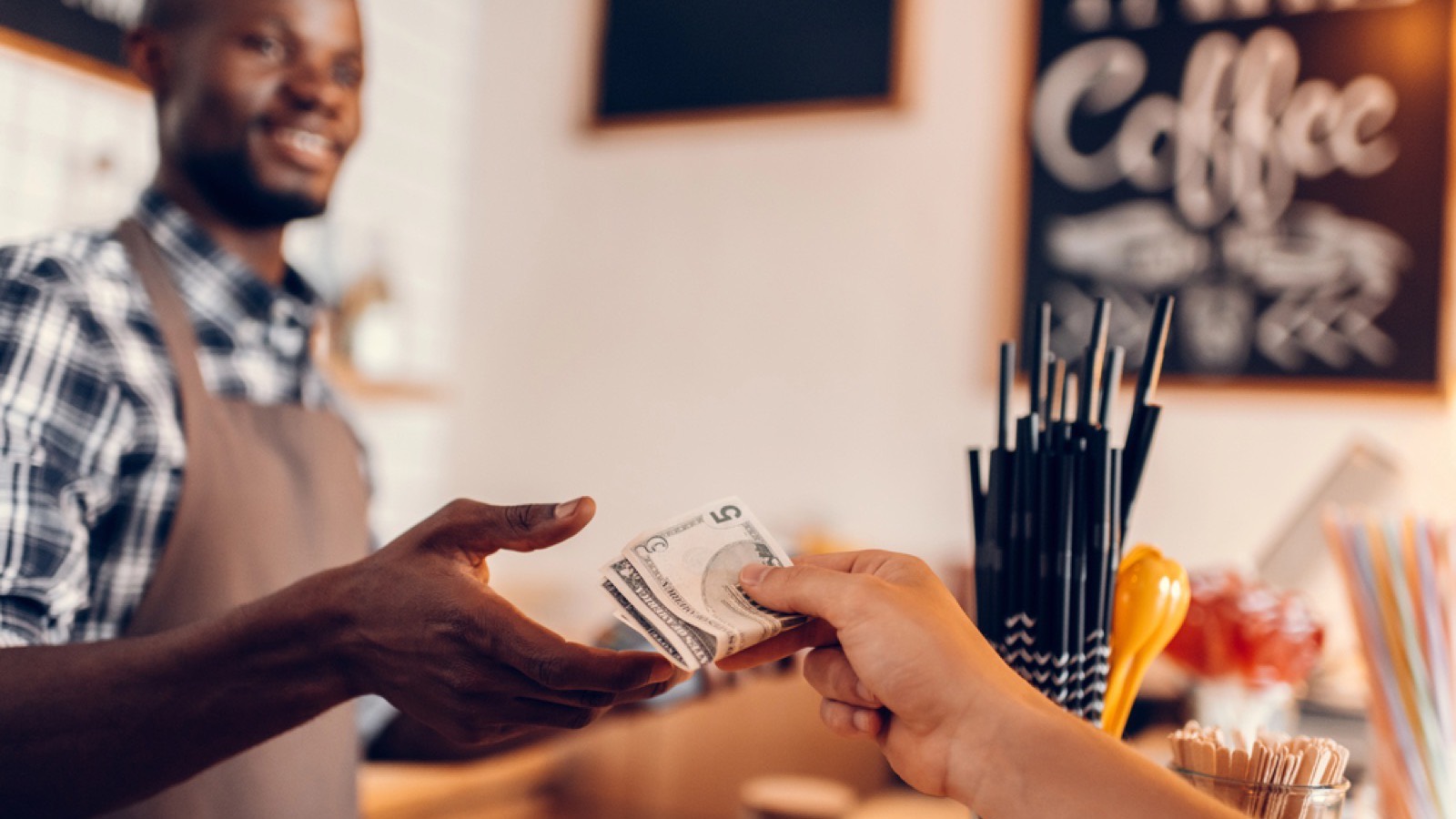
1. Furniture
When a young couple in the 1960s needed a sofa, they saved for it. Until then, they made do with hand-me-downs from relatives. Many started married life with a card table and folding chairs.
Stores offered layaway, which let customers pay a little at a time and take the item home only when it was fully paid for. Today, furniture stores advertise years of financing. A living room set can be delivered with no money down.
2. Televisions and Appliances
A television was a major purchase, and families saved for months to buy one. The same was true of a washing machine or refrigerator. People kept them for 20 years and repaired them when they broke.
Modern electronics are often bought on store credit cards or installment plans. Buy-now-pay-later services split even small purchases into four payments. The idea of waiting until you can afford something has faded.
3. Vacations
Family vacations in the boomer era were modest and paid for in advance. Parents saved all year for a week at the lake or a road trip to see relatives. They packed sandwiches and stayed in inexpensive motels.
Many travelers now put trips on credit cards and pay them off later, with interest. Airlines and cruise lines offer monthly payment plans. A vacation can cost far more than its sticker price once the interest is added.
4. Weddings
Weddings were once simple affairs. The ceremony was at the church, and the reception was cake and punch in the fellowship hall. The bride’s family paid what they could afford, and that was the budget.
Today, the cost of a typical wedding runs into the tens of thousands of dollars. Many couples take out loans or run up credit card balances to pay for the day. Some are still making payments years later.
5. Used Cars
A new car was often financed even in the 1960s, but with a short loan and a large down payment. Many families, though, bought used cars outright with cash. A teenager’s first car was a few hundred dollars saved from a summer job.
Car loans now commonly stretch to six or seven years. Monthly payments have climbed to levels that would have shocked earlier generations. Many buyers owe more than the car is worth.
6. College
Boomers who went to college often paid their way with summer jobs and part-time work. Tuition at state universities was low enough to make that possible. Parents helped where they could, and scholarships covered some of the rest.
That has changed dramatically. College costs have risen far faster than wages, and student loans have become the norm. Millions of Americans now carry education debt well into middle age.
7. Clothing
Clothes were bought with cash, a few pieces at a time. Children got new school clothes in the fall and a new outfit at Easter. Mothers sewed, mended, and handed things down.
Now clothing is frequently bought on credit cards and through payment apps. Shoppers can split the cost of a pair of jeans into installments. Closets are fuller, and so are the statements.
8. Christmas Gifts
Many boomer families used Christmas club accounts. A small amount was deposited at the bank every week, and the money was paid out in time for holiday shopping. Gifts were limited to what the club held.
Today, holiday spending often goes on credit cards. Many shoppers are still paying off December’s purchases in the spring. The season that was once saved for is now often borrowed for.
9. Everyday Expenses
Groceries, gas, and restaurant meals were always cash purchases. People cashed their paycheck and divided it into envelopes for each expense. When the grocery envelope was empty, shopping stopped.
Now many households put daily costs on credit cards. That is fine when the balance is paid in full each month. When it is not, people end up paying interest on last month’s milk and bread.
Why Boomers Were Taught to Avoid Debt
Their parents had lived through the Great Depression. They had seen neighbors lose homes and farms because of debts they could not pay. That fear never left them.
Credit was also harder to get. General-purpose credit cards did not become widespread until the late 1960s and 1970s. Before that, most people had no easy way to borrow for everyday purchases.
There was real social pressure too. Living within your means was a mark of good character. Those values produced the old-school money habits that boomers used and younger generations often skip.
What Changed
Credit became easy. Banks began mailing cards to millions of households, and stores offered their own. Advertising encouraged people to enjoy things now and pay later.

Prices also rose faster than paychecks for many big-ticket items. Housing, cars, and college cost far more relative to income than they did in 1970. For many young people, paying cash is not a realistic option.
Technology removed the last bit of friction. Handing over a stack of bills hurts in a way that tapping a phone does not. It is much easier to overspend when you never see the money leave.
Is Financing Always Bad?
Not all borrowing is foolish. A mortgage lets a family buy a home they could never pay for outright. A reasonable car loan can make it possible to get to work.
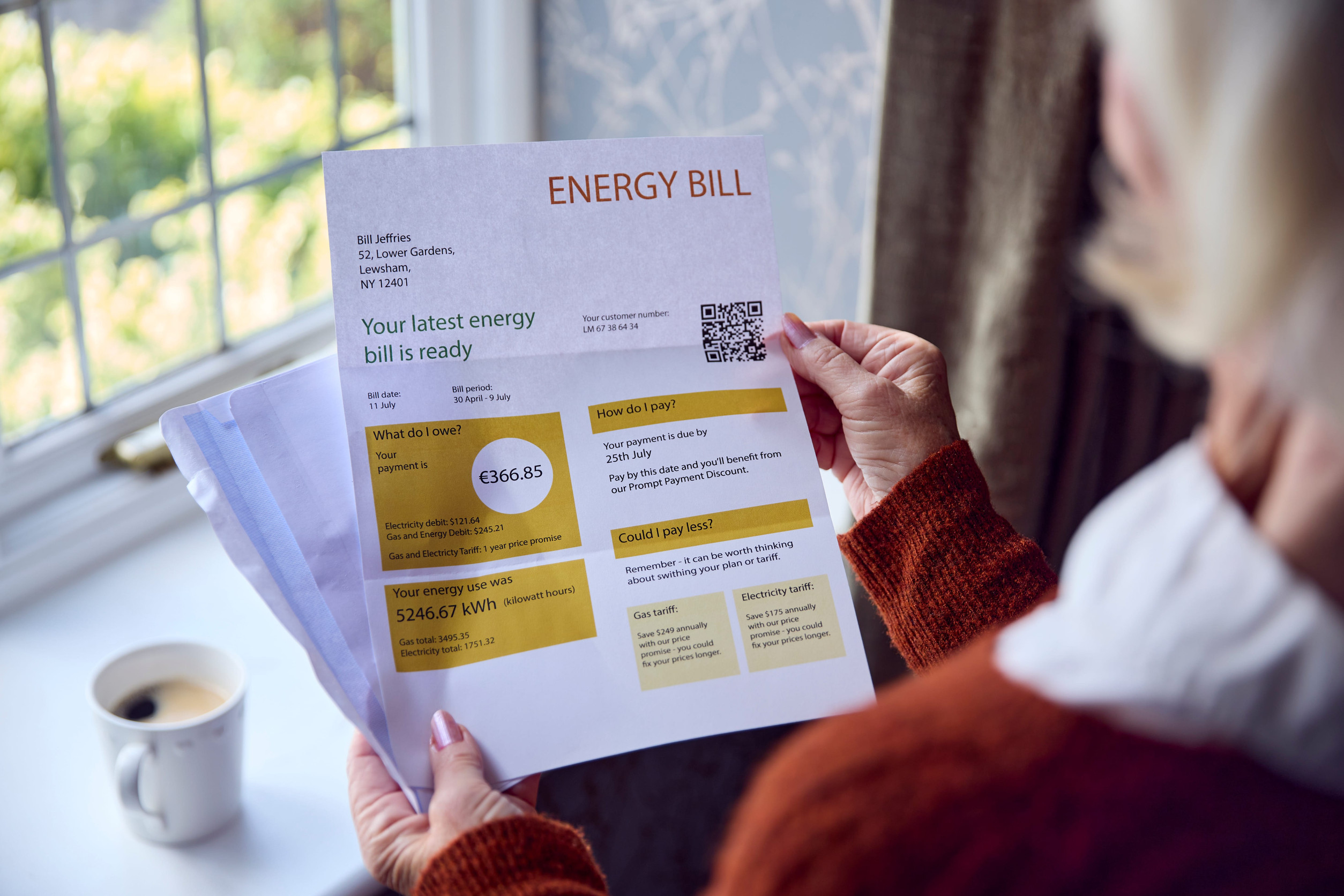
The trouble comes with high-interest debt on things that lose value. Credit card interest can turn a small purchase into a large burden. The Consumer Financial Protection Bureau offers guidance on credit cards and how to use them wisely.
Interest works in both directions. Money that is saved and invested grows over time, and the government’s compound interest calculator shows how quickly. Money that is borrowed at high rates grows just as fast against you.
Lessons Worth Keeping
The old habits still work. Saving first, buying second, and waiting when necessary will keep most people out of trouble. An emergency fund removes the need to borrow when something breaks.
The envelope system is simple and effective. So is the rule of sleeping on any large purchase. There are many ways to save money fast, and most are things our parents did without being told.
For those already in debt, there is a way out. Paying more than the minimum, tackling the highest-interest balance first, and avoiding new charges all help. Practical ways to pay off credit card debt can make the task less overwhelming.
A Different Relationship With Money
Boomers are not perfect with money, and many carry debt themselves. But they grew up with the idea that owing nothing was the goal. That mindset gave them a sense of security.
Younger adults face a harder economy in many ways, and they should not be judged too harshly. Still, the principle is sound for any generation. Freedom from debt is a kind of wealth.
What is the biggest thing you ever saved up and paid cash for? And do you think young people today could do the same?