SNAP Shoppers in Montana, North Dakota, South Carolina and Virginia Now Face New Limits on Sugary Drinks and Candy
Shoppers who use SNAP benefits in four more states are finding that some familiar items no longer ring up at the register. As of November 1, 2026, Montana, North Dakota, South Carolina, and Virginia have begun restricting what food assistance dollars can buy. Sugary drinks are affected in all four, and candy is off the list in three of them.
The changes are part of a fast-growing national effort to steer the Supplemental Nutrition Assistance Program, once known as food stamps, away from sweets and soda. The U.S. Department of Agriculture has been approving state requests, called food restriction waivers, since 2025. Each state writes its own rules, so the details differ from one border to the next.
For families who rely on SNAP, that means a little homework before the next grocery trip. Here is what changed in each state, why it is happening, and which states are next in line.
What Changed on November 1
The four states share the same start date but not the same list. According to the USDA’s official table of food restriction waivers, the rules break down as follows.
Montana now restricts the purchase of high-sugar beverages, energy drinks, candy, and prepared desserts. North Dakota restricts sweetened beverages, energy drinks, and candy. South Carolina restricts candy, energy drinks, soft drinks, and other sweetened beverages, while Virginia restricts sweetened beverages only.
That means a Virginia shopper can still buy a candy bar with SNAP, but a South Carolina shopper cannot. A Montana family will find that packaged desserts are also excluded. The differences can be confusing for people who live near a state line or shop in two states.
How Each State Defines the Banned Items
The fine print matters, because each state defines its terms differently. Trade publication FoodNavigator reports that Montana’s rule on energy drinks is based on caffeine content and added stimulants such as taurine and ginseng, and that coffee and tea are not included. Montana’s dessert rule applies to shelf-stable prepared desserts, not to items made in a store’s own bakery.
South Carolina uses a different caffeine threshold for products marketed as energy drinks, the outlet reports. North Dakota’s rule focuses on soft drinks and energy drinks along with candy. Shoppers may find that a product allowed in one state is blocked in the next.
Retailers are responsible for programming their registers so that restricted items cannot be paid for with an EBT card. If a banned item is in the cart, the shopper will be asked to pay for it another way or put it back. Benefits themselves are not reduced, and the monthly amount a household receives does not change.
What SNAP Still Covers
The basic rules of the program remain in place everywhere. SNAP can be used for fruits, vegetables, meat, poultry, fish, dairy products, breads, cereals, and other staple foods. The USDA’s list of eligible food items also includes seeds and plants that produce food for the household.
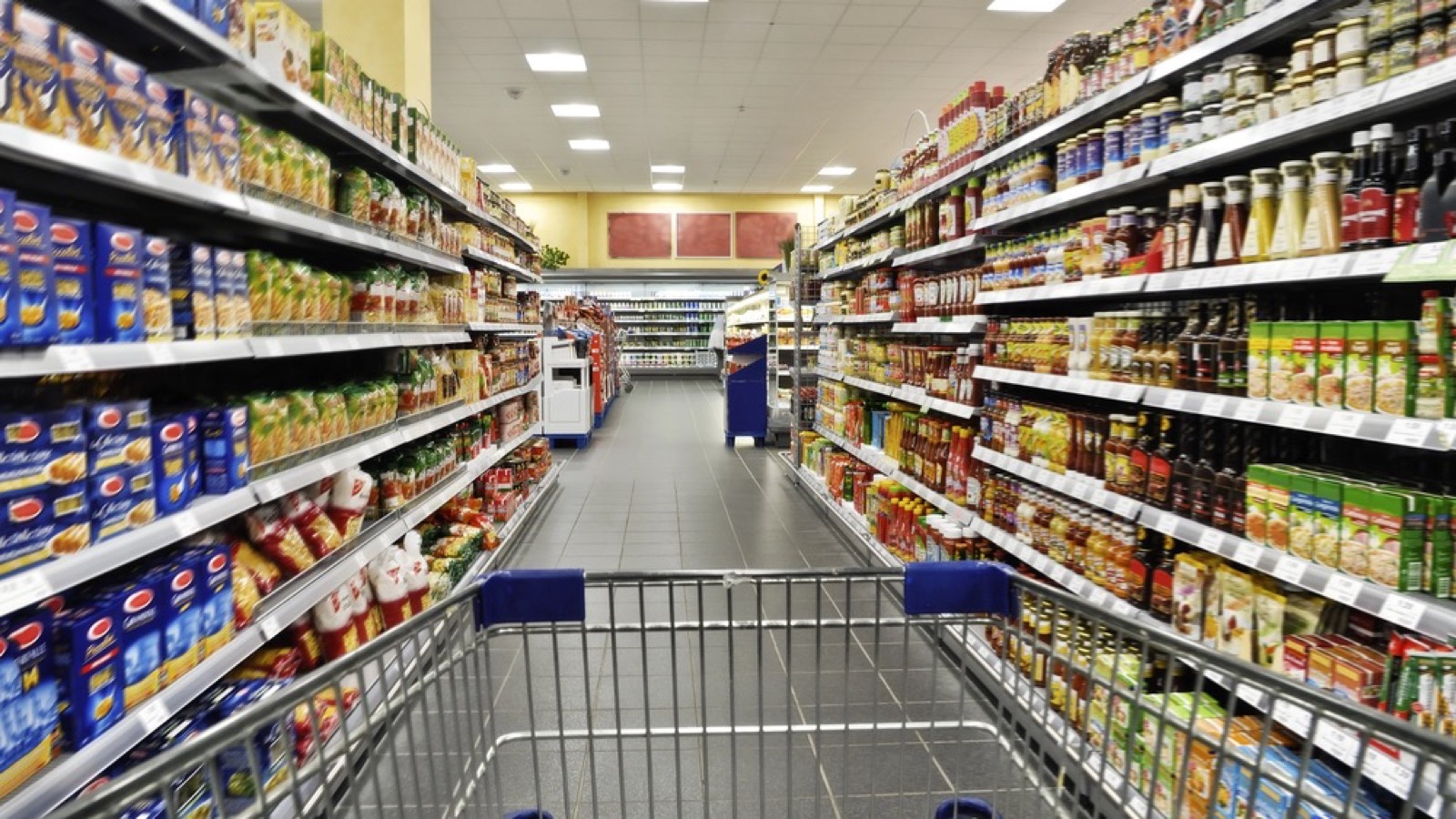
SNAP has never covered alcohol, tobacco, vitamins, hot prepared foods, or non-food items such as soap and paper products. The new waivers add to that list in the states that have them. In states without a waiver, soda and candy can still be purchased with benefits.
Shoppers who buy groceries online should also remember that benefits cannot be used for delivery or service fees. A second form of payment is needed for those charges. That rule applies in every state.
Why States Are Doing This
Supporters say taxpayer-funded food assistance should go toward nutritious food. The USDA describes the waivers as a way to restore nutritional value to the program and improve health outcomes. Governors in many states have promoted the restrictions as part of a wider push against diet-related disease.
Critics argue that the rules single out low-income families and make shopping more complicated. Grocers and convenience stores have raised concerns about the cost of reprogramming registers and training staff. The convenience store industry’s trade association has been tracking each state’s rules closely for its members.
There are early signs that the restrictions change what people buy. FoodNavigator, citing data from the research firm Circana, reports that soda spending per SNAP household in waiver states fell 8 percent in the first quarter of 2026. The same data showed fewer shopping trips that included candy or energy drinks.
A Court Ruling Has Complicated Things
Not every state’s plan has survived. On June 22, 2026, the U.S. District Court for the District of Columbia ruled against the USDA in a case brought by SNAP recipients. The court vacated the waivers for Colorado, Iowa, Nebraska, Tennessee, and West Virginia.
The USDA’s own waiver table now notes that those five approvals were vacated and that implementation may not proceed. The ruling applied only to the states named in the lawsuit. Waivers in other states, including the four that began on November 1, were not affected.
That is why the map looks so uneven today. Some states that started early have had to stop, while others are just beginning. The situation in the four states blocked by the court remains unsettled.
Which States Are Next
More changes are already on the calendar. The USDA table lists a target date of December 1, 2026, for a new Nebraska restriction on soda, soft drinks, and energy drinks. Kansas and Missouri are scheduled for February 15, 2027, and Wyoming for February 1, 2027.
Hawaii and Ohio are both listed for April 1, 2027. Ohio’s plan covers sugar-sweetened beverages and all fountain drinks. Nevada is set for February 1, 2028, with limits on candy and sugar-sweetened beverages.
Other states already have restrictions in effect, among them Arkansas, Florida, Idaho, Indiana, Louisiana, Oklahoma, Texas, and Utah. Anyone who has recently moved or who shops across state lines should check the rules where they buy groceries. A full rundown of the limits coming in 2027 can help families plan ahead.
What SNAP Households Should Do Now
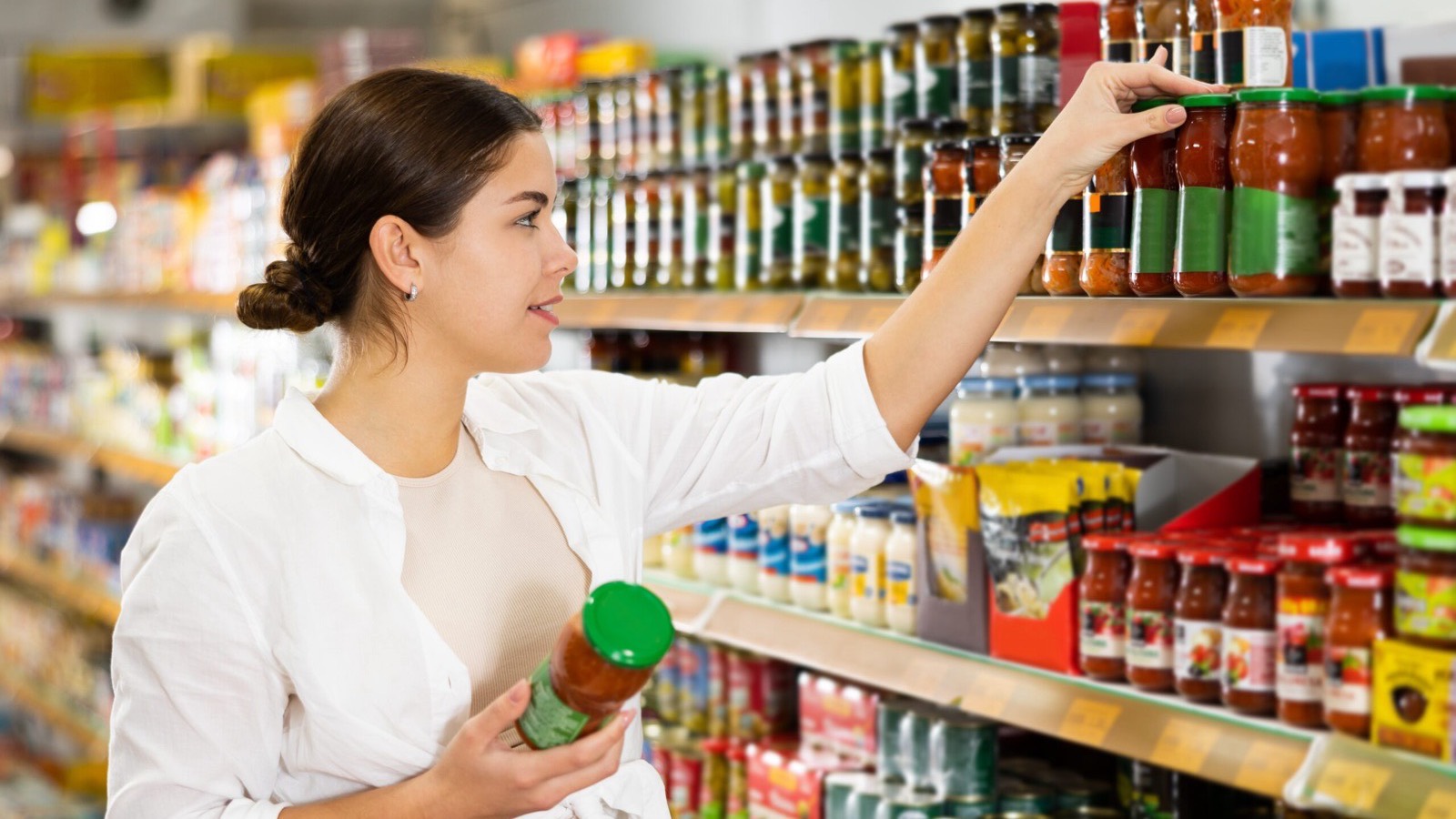
The first step is to know your own state’s list. State human services agencies have posted details online, and many stores have placed signs on shelves or at checkout. If you are unsure about an item, ask a cashier before it is scanned.
It also helps to keep a small amount of cash or another payment method handy. That way, a restricted item does not hold up the line or force you to leave it behind. Mixed carts are allowed, and the register will simply split the payment.
Finally, keep an eye on the news. Dates have shifted more than once this year, and court cases are still under way. For now, shoppers in Montana, North Dakota, South Carolina, and Virginia will need to adjust their lists, and millions more Americans may soon be doing the same.