9 Canned Foods That Filled Every Pantry in 1970 and Are Rarely Seen Today
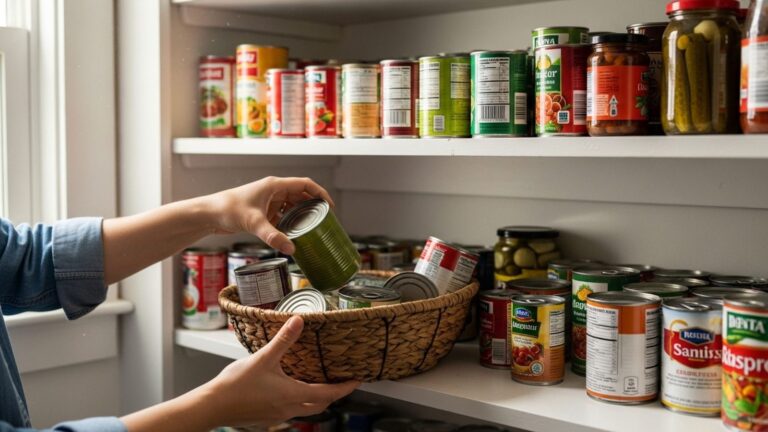
Open a kitchen cupboard in 1970 and you would find a wall of cans. Canned food was cheap, it lasted for years, and it was seen as modern and reliable. A well-stocked pantry was a point of pride, and many mothers could make a full supper without ever opening the refrigerator.
The shelves held much more than soup and green beans. There was meat in cans, bread in cans, and even whole desserts in cans. Many of those products have since slipped quietly out of sight, pushed aside by fresh and frozen foods.
A few are still made in small numbers, and others survive only in certain regions. These nine canned foods were once in almost every American pantry, and most younger shoppers have never put one in their cart.
1. Canned Whole Chicken
It sounds strange now, but a whole cooked chicken once came in a can. The bird was packed in its own broth and slid out in one piece, ready to be turned into chicken and dumplings, salad, or soup. Busy mothers kept one on hand for nights when there was no time to roast.
Canned whole chicken is still produced, but most supermarkets stopped carrying it long ago. Rotisserie chickens took over its job, since they are hot, cheap, and ready to eat. The canned version now turns up mostly in online videos, where people open one out of curiosity.
2. Canned Brown Bread
Canned brown bread was a dark, moist loaf made with molasses, rye, and cornmeal, and it was steamed right inside the can. Families opened both ends, pushed the loaf out, and sliced it into rounds. It was served warm with butter or cream cheese, usually next to a pot of baked beans.
The bread was a New England tradition, and it was a Saturday night staple in many homes there. It can still be found in parts of the Northeast, but it has become a rare sight elsewhere. Many Americans under 50 are surprised to learn that bread was ever sold in a can.
3. Potted Meat and Deviled Ham
Small cans of potted meat and deviled ham were lunchbox basics in 1970. The spread was mashed onto white bread or saltine crackers and often mixed with a little mayonnaise or pickle relish. It was one of the cheapest sources of protein in the store.
These little cans are still made, but they have moved to the bottom shelf. Shoppers now read ingredient labels more closely, and many are put off by what they find. For plenty of boomers, though, one taste is enough to bring back a school cafeteria.
4. Canned Tamales
Canned tamales came packed in sauce and wrapped in paper instead of corn husks. For many families outside the Southwest, this was the only Mexican food they had ever tried. They were heated in a saucepan and served with chili or rice.
As real Mexican restaurants spread across the country, the canned version lost its appeal. Fresh and frozen tamales became easy to find. The cans still exist, but they are a curiosity to most younger shoppers.
5. Canned Chop Suey and Chow Mein
In 1970, many families made “Chinese night” from a pair of cans taped together. One can held the vegetables and sauce, and the other held crispy chow mein noodles. It was among the convenience foods that defined mid-century American kitchens.
The dish had little in common with real Chinese cooking, but families loved it. Takeout restaurants and frozen stir-fry meals eventually made the canned kits feel dated. The crunchy noodles are still sold, mostly as a salad topping.
6. Canned Date Nut Bread
Date nut bread in a can was a sweet, dense loaf studded with dates and walnuts. Women sliced it thin and spread it with cream cheese to make dainty sandwiches for bridge clubs, showers, and holiday trays. It was a small luxury that felt special.
The best-known brand disappeared from most stores years ago, and fans still talk about it. Home bakers have tried to copy the recipe using empty cans as baking molds. Very few people under 40 have ever tasted the original.
7. Canned Corned Beef Hash and Roast Beef Hash
Canned hash was a quick breakfast or supper for millions of families. It was fried in a skillet until the edges turned crisp and then topped with a fried egg. Fathers who cooked only one meal a week often made this one.
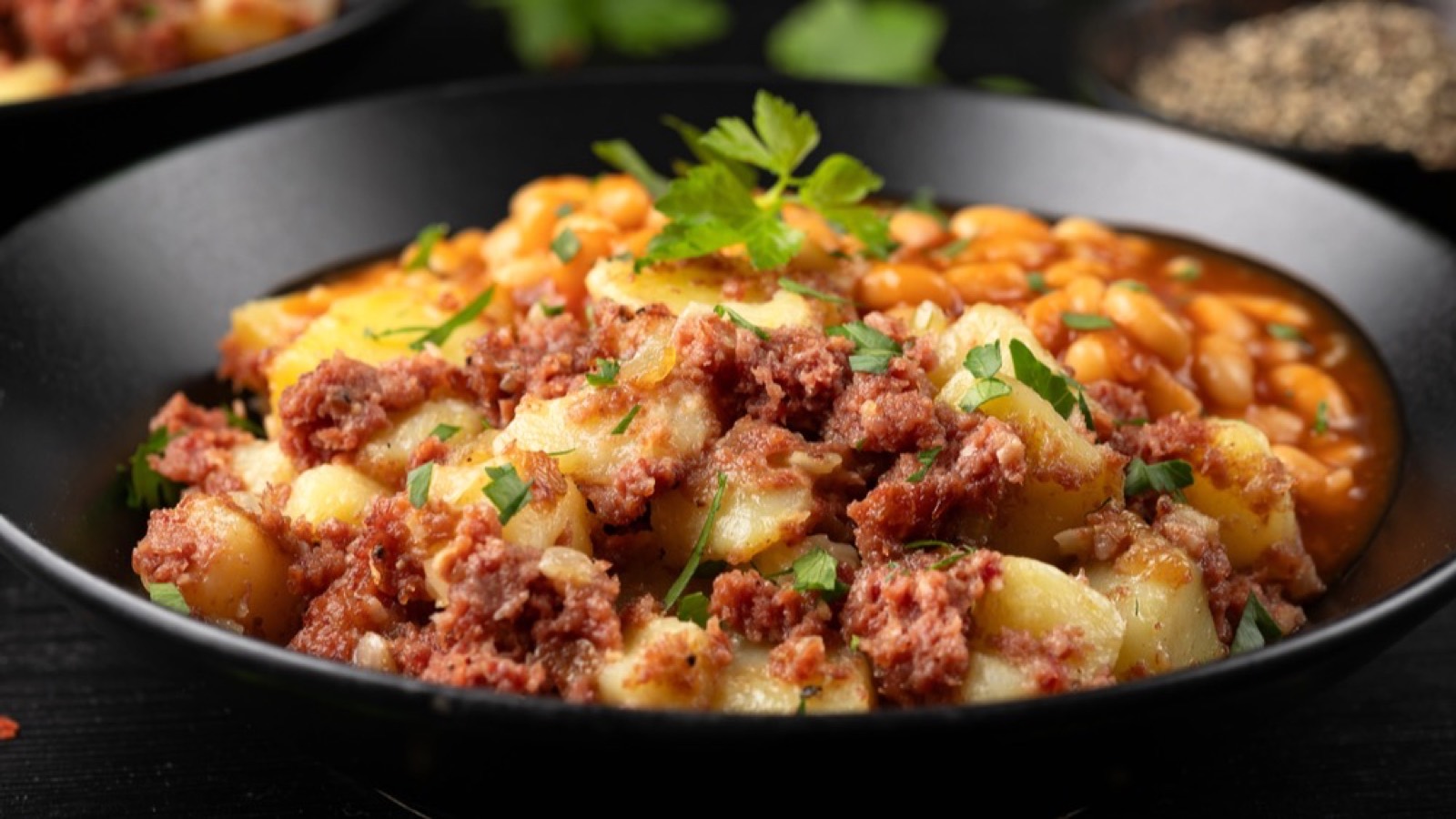
Hash is still on shelves, but it is no longer the weekly habit it once was. Many households have dropped canned meat altogether in favor of fresh. Spam followed a similar path after becoming a household name during World War II, as Time has described.
8. Canned Fruit Cocktail in Heavy Syrup
Fruit cocktail was the standard weeknight dessert in 1970. It was poured into small glass dishes, and children fought over the few bright red cherries in each can. It also went into gelatin salads, cakes, and the famous fruit cocktail cake.
Fruit cocktail still exists, but sales have dropped as fresh fruit became available all year. Today’s versions are often packed in juice instead of thick, sweet syrup. Many younger people have never eaten it outside of a school lunch tray.
9. Canned Puddings and Steamed Desserts
Ready-to-eat puddings once came in metal cans with pull-off lids. There were also canned plum puddings and fig puddings that were steamed and served at the holidays. They were a treat that needed no cooking and no refrigeration.
Plastic pudding cups replaced the metal cans in lunchboxes, and steamed puddings mostly faded from American holiday tables. The canned versions are now hard to find. They are remembered fondly by people who peeled back those sharp metal lids as children.
Why Canned Food Ruled the 1970 Pantry
Canned food earned its place in American kitchens during hard times. Parents who had lived through the Depression and wartime rationing believed in keeping a deep pantry. A shelf full of cans meant the family would eat no matter what happened to the weather, the paycheck, or the power.
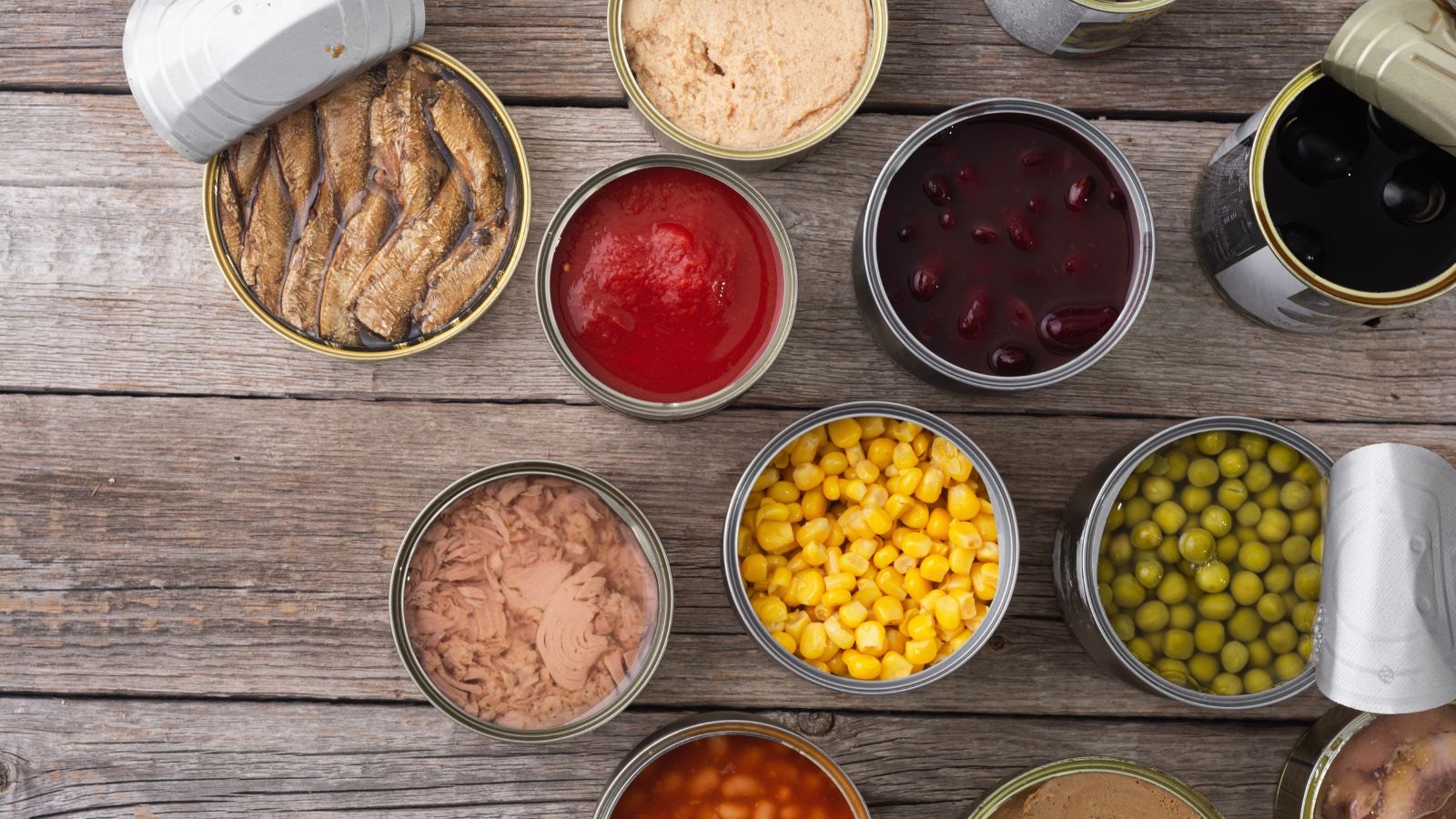
Kitchens were also different. Freezers were small, microwaves were rare, and most towns had no restaurants that delivered. A can could sit for two years and still become supper in ten minutes, which made it the most practical food a mother could buy.
Safety and trust played a part too. Commercial canning was tightly controlled, and shoppers saw a sealed can as clean and dependable. Home canners followed the same idea, and tested methods from groups like the National Center for Home Food Preservation are still used today.
What Pushed These Cans Off the Shelf
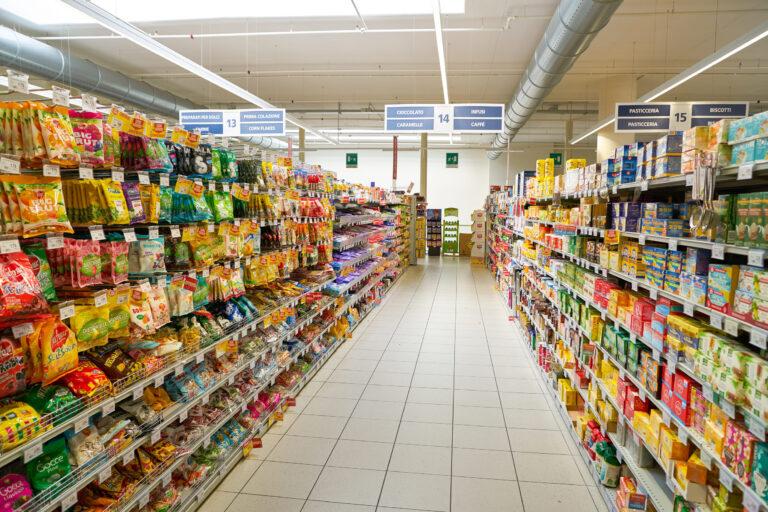
Tastes began to change in the 1980s. Shoppers started to want fresh produce, less salt, and fewer preservatives. Supermarkets added delis, bakeries, and large freezer sections, and the canned aisle began to shrink.
Still, the old pantry habit is not completely gone. Some of these old-school pantry ingredients are quietly returning as grocery prices rise and families look for food that keeps. Ask a boomer which can they miss most, and you will likely hear a story about a mother, a can opener, and a supper that was ready in minutes.