Never Throw Away Bacon Grease: The Grandma Habit Making a Quiet Comeback
If you grew up in the 1950s or 1960s, you can probably picture it. A coffee can or a small metal crock sat beside the stove, and after every breakfast the warm bacon drippings were poured into it. Nobody in the house would have dreamed of rinsing that grease down the drain.
To Grandma, bacon grease was not waste. It was a free cooking fat with more flavor than anything she could buy. She used it to fry eggs, season beans, and bake cornbread, and the can was never empty for long.
Then came decades of low-fat diets, and the grease can disappeared from most kitchens. Now it is quietly coming back. Home cooks of all ages are saving their drippings again, and many are discovering what their grandmothers knew all along.
Why Grandma Saved Every Drop
For women who lived through the Great Depression, throwing away fat was unthinkable. Butter and oil cost money, and money was scarce. Bacon drippings were already paid for, so using them was simple common sense.
The habit grew even stronger during World War II. Butter, lard, and cooking oils were rationed, and families had to stretch every ounce. As the National WWII Museum explains, rationing touched nearly everything Americans ate during the war years.
The government even asked housewives to save their used kitchen fats and turn them in to the butcher. Those fats were needed to make glycerin, which was used in explosives. A woman who saved her grease was doing her part for the war effort, and the habit stayed with her for life.
What She Used It For
Bacon grease touched nearly everything Grandma cooked. A spoonful went into the skillet before the eggs, and it gave them crisp, lacy edges. Fried potatoes, onions, and cabbage all started the same way.
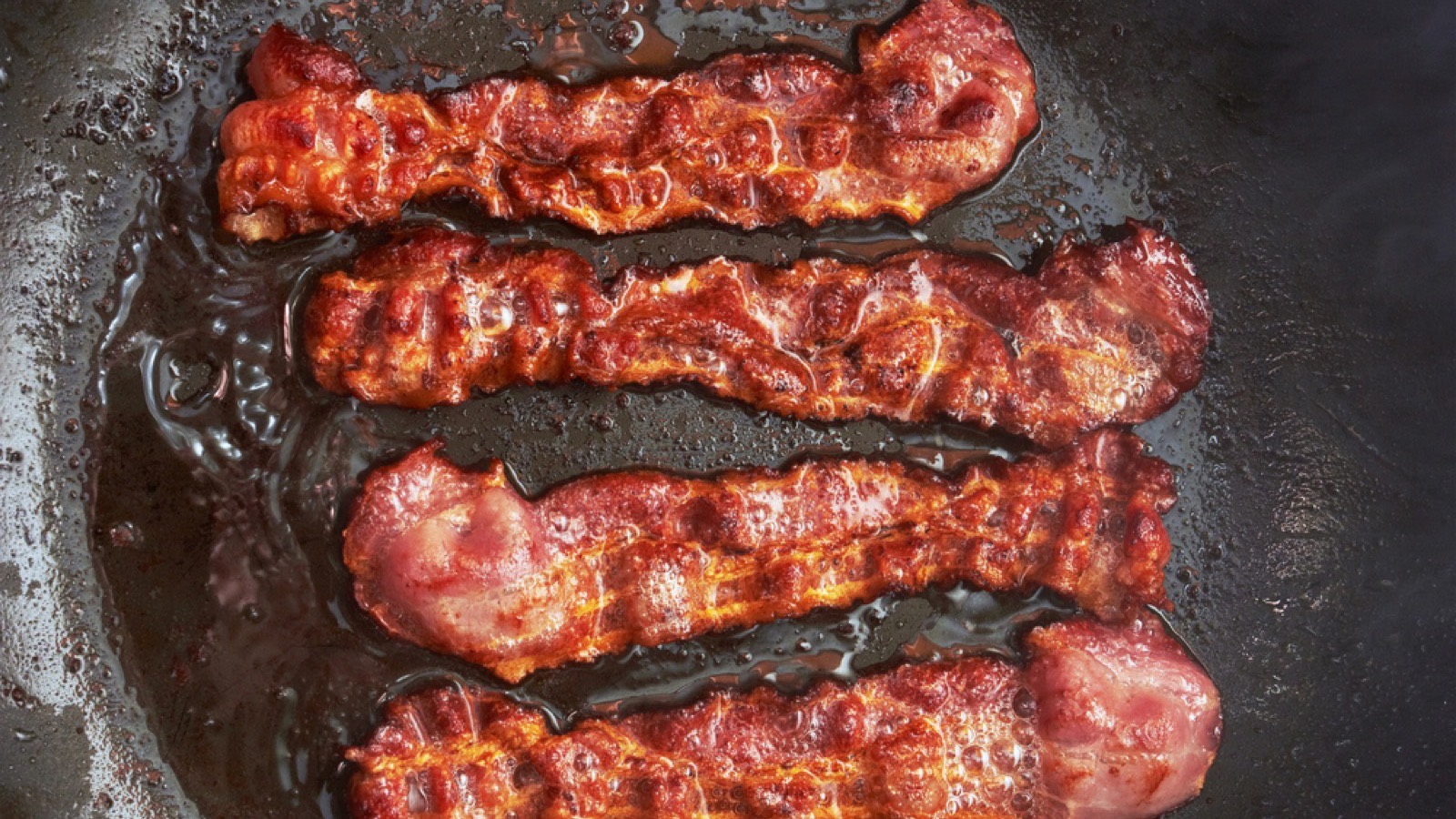
It was also her secret seasoning. A pot of green beans, pinto beans, or collard greens was not finished until a spoonful of drippings had been stirred in. The fat gave vegetables a smoky, meaty taste without any actual meat.
Baking used it too. Cornbread batter was poured into a hot skillet coated with bacon grease, which created a crunchy golden crust. Some cooks even used it in biscuits, pie crusts, and molasses cookies.
Wilted lettuce salad was another favorite. Hot drippings were mixed with vinegar and a little sugar, then poured over fresh garden lettuce and green onions. It is one of those old-fashioned foods that few people make anymore.
Why the Grease Can Disappeared
By the 1970s and 1980s, animal fat had fallen out of favor. Doctors and health groups warned that saturated fat raised cholesterol and the risk of heart disease. Families were told to switch to vegetable oil and margarine.
The grease can began to look old-fashioned and even dangerous. Younger cooks threw out their drippings or wiped the pan with a paper towel. Bottles of vegetable oil and cans of cooking spray took over the space beside the stove.
Kitchens changed in other ways too. People ate fewer cooked breakfasts and bought leaner meat. With less bacon being fried, there was simply less grease to save.
Why It Is Coming Back
Several things have brought the habit back. Rising grocery prices have made people look again at what they throw away. A jar of saved drippings can replace a good deal of store-bought oil and butter over a month.
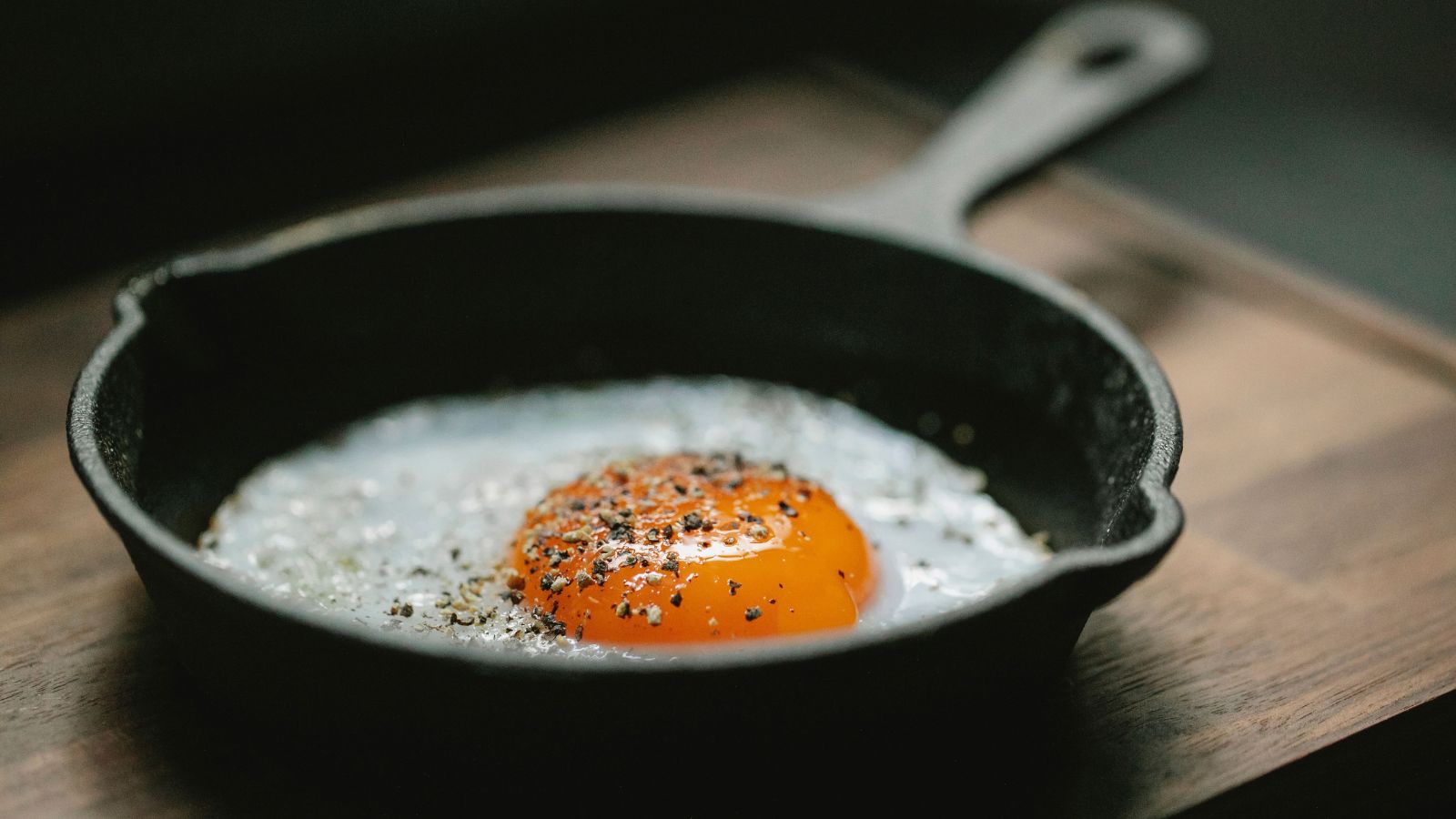
Flavor is another reason. Home cooks have rediscovered cast-iron skillets, scratch cooking, and traditional Southern recipes. Many of those recipes simply do not taste right without bacon fat.
There is also a wider move away from waste. The USDA estimates that 30 to 40 percent of the U.S. food supply goes uneaten. Saving drippings is a small way to use everything a family has paid for, which is exactly how older generations lived.
It also keeps grease out of the plumbing. Fat poured down the sink hardens in the pipes and can cause expensive clogs. Grease is high on any list of things that should never go down the kitchen drain.
How to Save It Safely
Grandma kept her grease can on the stove at room temperature, and she used it up quickly. Today, most food safety advice is more careful. It is best to store drippings in the refrigerator, where they will stay fresh much longer.
Start by letting the grease cool for a few minutes so it will not crack a glass jar. Pour it through a fine strainer, a coffee filter, or a paper towel to catch the small bits of meat. Those bits are what make the fat spoil faster.
Use a clean glass jar with a tight lid. In the refrigerator, strained bacon grease generally keeps for several months, and it lasts even longer in the freezer. If it ever smells sour or looks moldy, throw it out.
Is It Healthy?
Bacon grease is not a health food, and it helps to be honest about that. It is high in saturated fat, and the American Heart Association recommends limiting saturated fat to protect your heart. People with high cholesterol or heart disease should talk with their doctor about how much is right for them.
The key is the amount. Grandma used a spoonful to season a whole pot of beans that fed six people. She did not pour it over everything, and she balanced it with plenty of vegetables from the garden.
Used that way, as a seasoning and not a main ingredient, a little goes a long way. One teaspoon can flavor an entire skillet of greens. Most cooks find they need far less than they expected.
Easy Ways to Use It Today
If you want to try the habit, start small. Fry your eggs in half a teaspoon of drippings and notice the difference. Sauté onions in it before starting a pot of soup or beans.
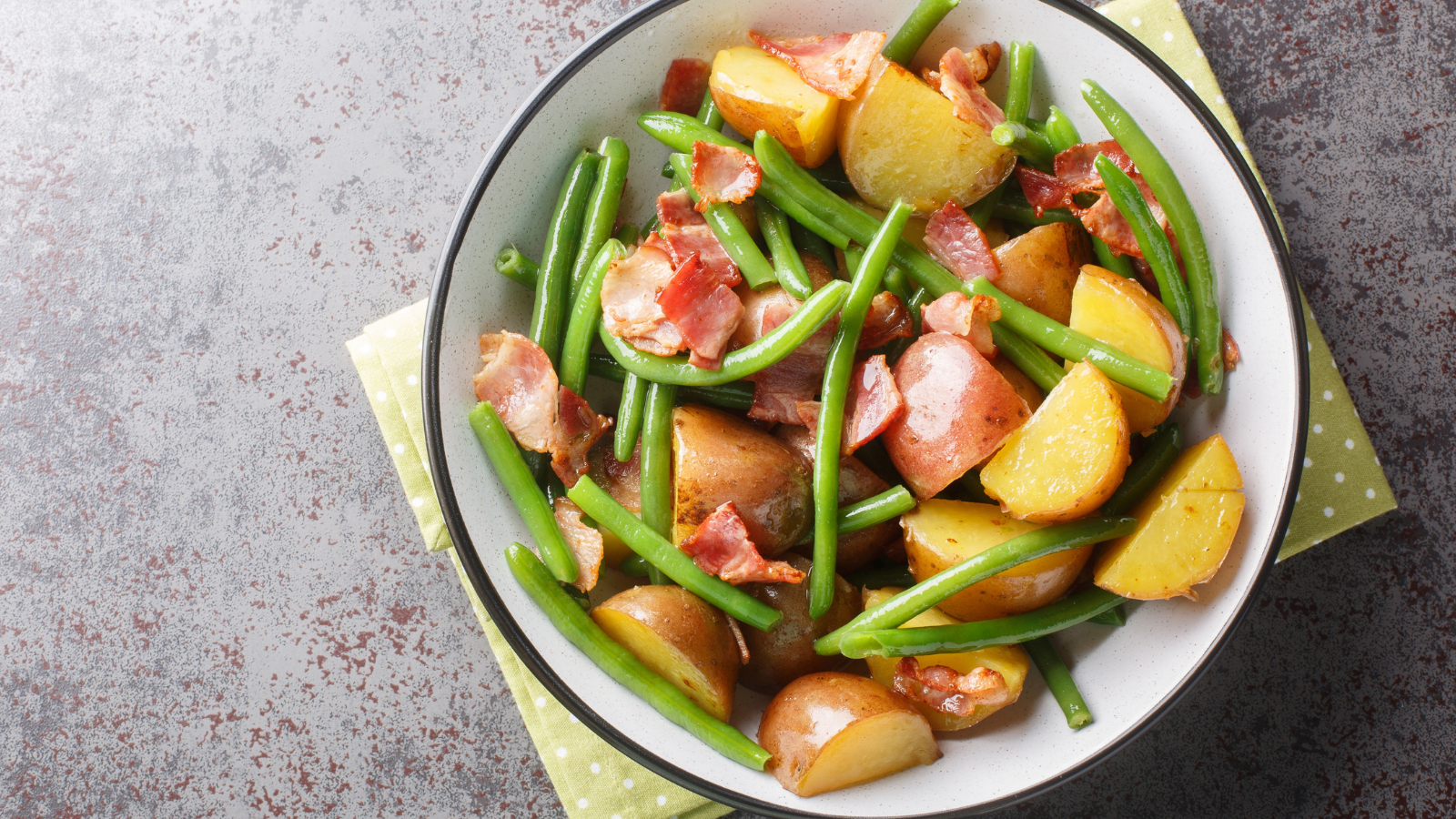
Rub a thin layer inside a cast-iron skillet before baking cornbread. Toss Brussels sprouts or potatoes in a little melted bacon fat before roasting them. Use it to pop popcorn on the stove for a smoky, salty snack.
You can also stir a small spoonful into gravy, grits, or a pan of fried cabbage. These are the kinds of boomer cooking habits that younger generations are slowly learning to appreciate. Each one adds flavor without costing a penny.
A Small Habit With a Long Memory
The grease can was never really about bacon. It was about a way of thinking that treated every scrap of food as valuable. Women who had known real hardship built that thinking into their daily routines.
Today’s cooks are finding that the old ways often made good sense. Saving drippings cuts waste, saves money, and makes plain food taste better. Did your grandmother keep a grease can by the stove, and is there one in your kitchen today?