Should Mayonnaise Ever Go on French Fries? Americans Can’t Agree
Set a basket of hot French fries on the table and most Americans will reach for the ketchup without thinking. It has been that way for generations. To many people, fries and ketchup go together like bread and butter.
But a growing number of people are reaching for something else. They are dipping their fries in mayonnaise, and they insist it tastes better. Their friends and relatives often look on in horror.
The question has started arguments at kitchen tables, in restaurant booths, and all over the internet. To understand why it gets people so worked up, it helps to look at where the habit comes from and why Americans are so loyal to their ketchup.
Where the Mayo Habit Comes From
Dipping fries in mayonnaise is not a new fad. In Belgium and the Netherlands, it has been the standard way to eat them for a very long time. Street stands there sell paper cones of thick-cut fries topped with a generous spoonful of creamy mayo.
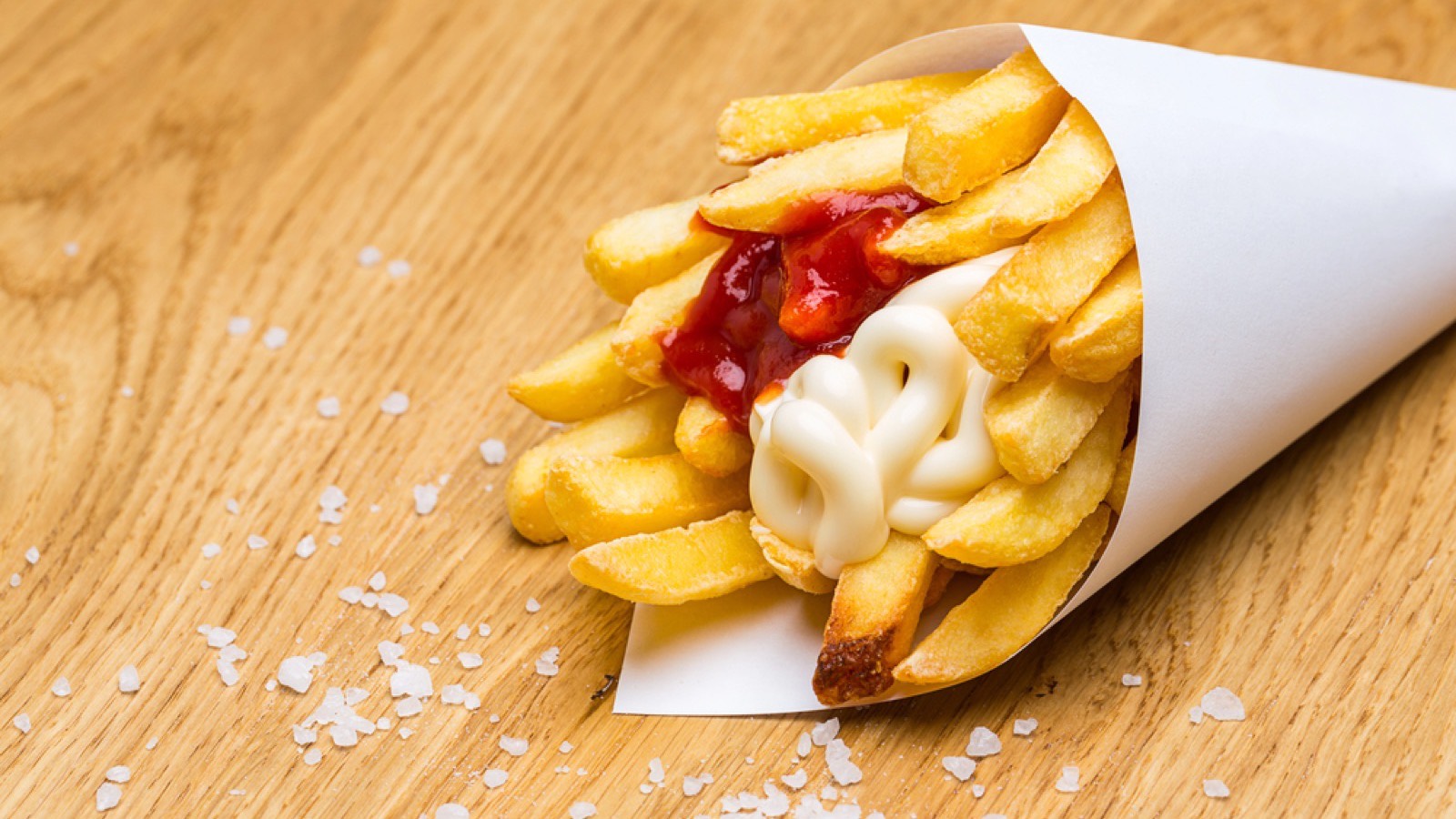
Belgians take their fries very seriously, and many consider them a national dish. According to Britannica, both Belgium and France claim to have invented fried potato sticks, and the true origin is still debated. What is certain is that much of Europe treats mayonnaise as the natural partner.
Many Americans first met the idea in the 1994 movie “Pulp Fiction.” In a famous scene, a character describes with disgust how people in Holland put mayonnaise on their fries. For a lot of viewers, that was the first time they had ever heard of such a thing.
Why Ketchup Rules in America
Americans have been devoted to ketchup for well over a century. The thick, sweet tomato sauce became a household staple in the late 1800s, when bottled versions spread across the country. Today it sits in nearly every refrigerator in the nation.
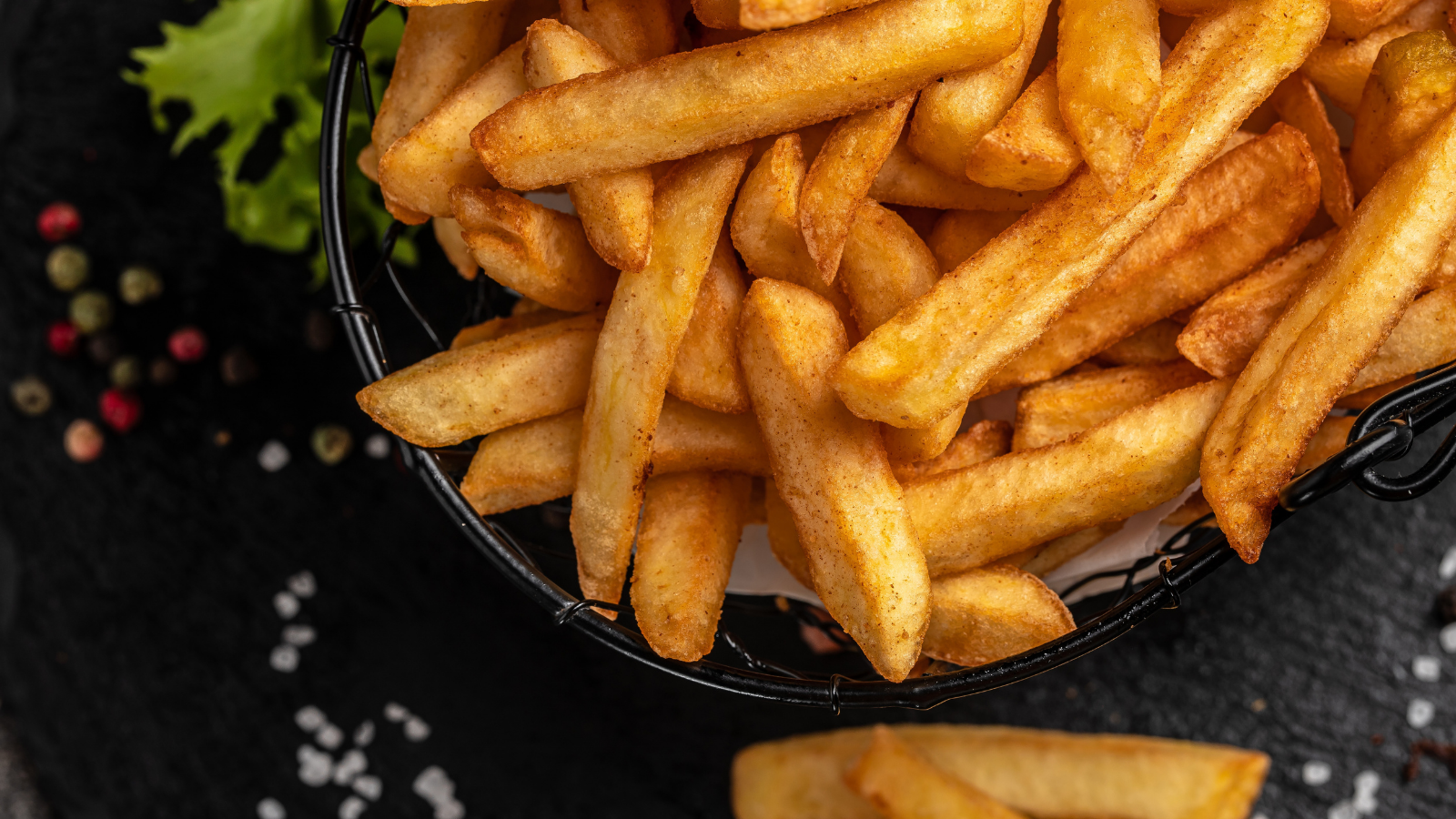
Ketchup was not always the tomato sauce we know. As Britannica explains, the word once referred to a variety of sauces, some made from mushrooms, walnuts, or fish. The sweet tomato version won Americans over and never let go.
Fast food sealed the bond. When hamburger stands and drive-ins spread in the 1950s, fries came with ketchup packets, and nobody questioned it. Boomers grew up squeezing ketchup onto paper trays at chains like the ones that got their start in that decade.
The Case for Mayonnaise
People who love mayo on fries make a simple argument. Mayonnaise is rich, creamy, and slightly tangy, and it clings to a hot fry without making it soggy. They say it lets the potato flavor come through instead of hiding it.
Ketchup, they point out, is very sweet. A tablespoon contains about a teaspoon of sugar, and some people find it overpowers everything else. Mayonnaise offers a savory contrast to the salt and crunch.
Fans also note that Americans already eat plenty of mayo-based sauces. Ranch dressing, tartar sauce, aioli, and the “special sauce” on many burgers all start with mayonnaise. If those are fine, they ask, why is plain mayo so shocking?
The Case Against It
Ketchup loyalists are not convinced. To them, mayonnaise belongs on sandwiches and in potato salad, and nowhere else. The idea of dipping hot, greasy fries into something made of oil and eggs strikes them as far too heavy.
Texture is a common complaint. Some people simply cannot stand mayonnaise at all, and seeing it on fries makes it worse. For them, the sharp sweetness of ketchup is needed to cut through the fat of fried food.
There is also the matter of tradition. Many Americans see ketchup on fries as part of their childhood, tied to ball games, diners, and summer cookouts. Changing the dip feels like changing the memory.
The Middle Ground: Fry Sauce
Some Americans solved the problem long ago by mixing the two. In Utah and neighboring states, “fry sauce” is a regional favorite. It is a simple blend of ketchup and mayonnaise, often with a little pickle juice or spices added.
The pink sauce has been served at burger stands in that part of the country since the middle of the 20th century. Locals are as proud of it as Texans are of their barbecue. Visitors often try it once and go home hooked.
Similar sauces exist elsewhere. Mayo and ketchup mixed together is popular in Puerto Rico and across parts of Latin America, and many Southern restaurants serve a “comeback sauce” that works the same way. It seems the two rivals get along well when they share a bowl.
What Else Do People Dip Their Fries In?
Mayonnaise is far from the strangest dip out there. Many Americans swear by ranch dressing, especially in the Midwest. Others prefer barbecue sauce, honey mustard, or melted cheese.
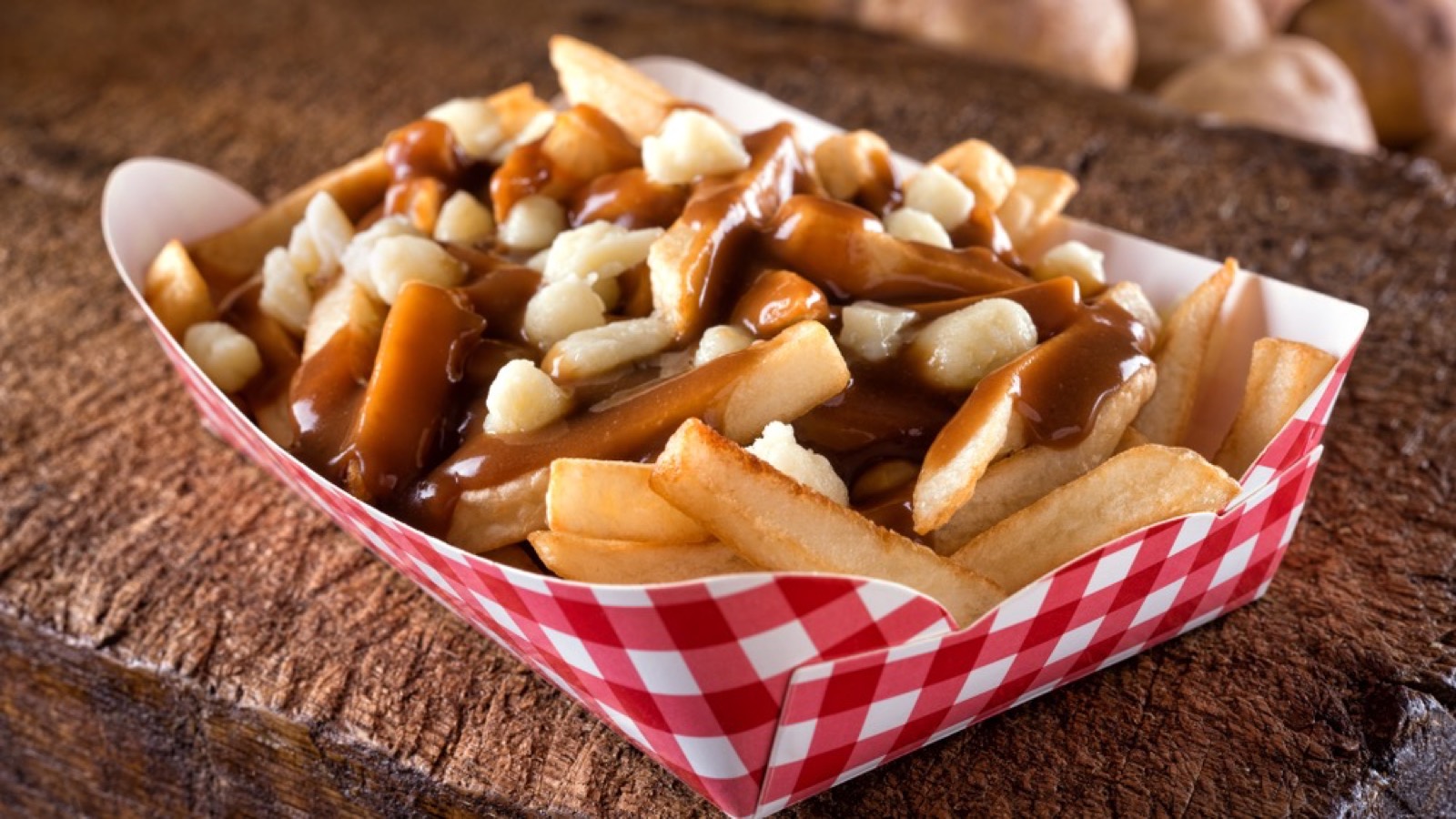
In parts of the country, people dip their fries in a chocolate milkshake or a soft-serve cone. The British favor malt vinegar and salt, and Canadians cover their fries with gravy and cheese curds to make poutine. Even brown gravy alone has loyal fans at old-fashioned diners.
Compared with some of those, mayonnaise seems fairly tame. It is a reminder that food habits depend heavily on where you grew up. Plenty of dishes Americans love seem absolutely strange to everyone else.
Why This Small Question Stirs Big Feelings
Arguments like this are never really about the sauce. Food habits are learned in childhood, and they feel like part of who we are. When someone does it differently, it can seem almost like a challenge.
Generations play a role too. Many older Americans grew up with a narrower range of foods and firm rules about what went with what. Younger people have traveled more, eaten more international food, and are often more willing to experiment.
The debate also shows how tastes are slowly shifting. Aioli, which is essentially garlic mayonnaise, is now served with fries at restaurants all over the country. Diners who would never order “mayo” for their fries happily dip them in aioli without a second thought.
Is One Healthier Than the Other?
Neither choice turns French fries into a health food. Mayonnaise has more calories and fat per spoonful, while ketchup has more sugar. A tablespoon of regular mayo has around 90 to 100 calories, and a tablespoon of ketchup has about 15 to 20.
The bigger issue is the portion of fries, not the dip. A small serving with a modest amount of either sauce can fit into most balanced diets. As with most treats, moderation matters more than the condiment.
So, Which Side Are You On?
There is no right answer, and that is what keeps the argument going. Ketchup has history and habit on its side. Mayonnaise has millions of Europeans and a growing band of American converts.
The best way to settle it may be to try both. Put a little of each on your plate the next time you have fries, and see which one disappears first. Then tell us honestly: is mayonnaise on French fries delicious, or is it just plain wrong?