Trump’s New Patriot Passport Sparks Firestorm as His Image Turns America’s 250th Celebration Into a Political Flashpoint
A passport is supposed to be a quiet symbol of citizenship. This one arrived like a campaign poster.
President Donald Trump’s newly revealed commemorative U.S. passport, created for America’s 250th anniversary, has turned a routine government document into a national argument about patriotism, presidential branding, and how far political imagery should go inside official symbols.
The limited-edition passport is part of the country’s semiquincentennial celebration, a milestone marking 250 years since the Declaration of Independence. But instead of a simple tribute to the founding era, the design has drawn attention for featuring Trump’s image inside the document, alongside founding imagery and patriotic artwork.
Trump added fuel to the moment by promoting the passport with the phrase “Welcome, but be good!” The wording quickly became the emotional center of the controversy, especially because a U.S. passport is issued to American citizens for travel abroad, not to foreign visitors entering the country.
That clash between symbolism and politics is why the rollout became bigger than a passport.
A Patriotic Design With a Political Edge
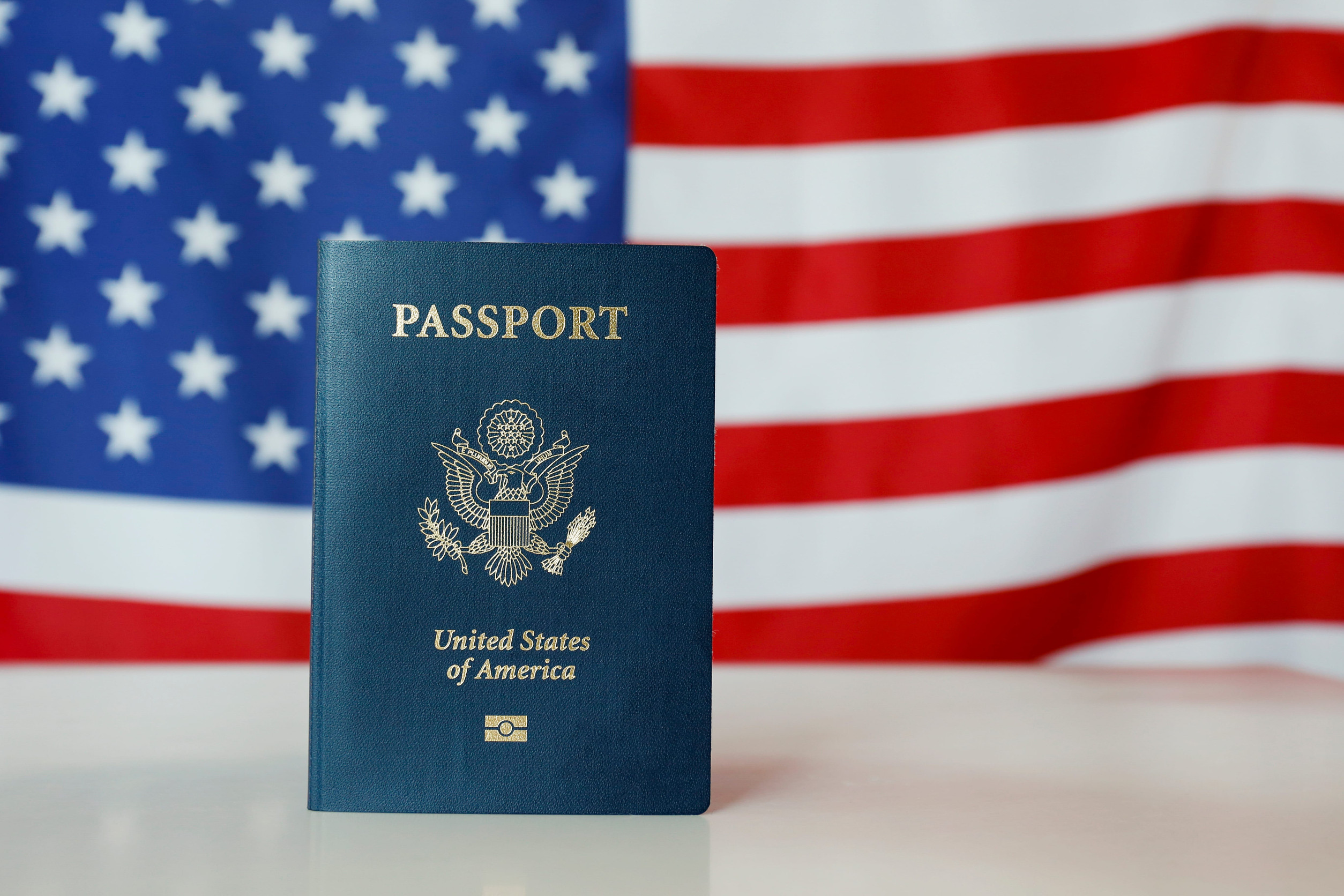
The State Department describes the special passport as a limited-edition commemorative version created to celebrate America’s 250th anniversary.
It will be issued starting July 6, 2026, at the Washington Passport Agency in Washington, D.C., while supplies last. Applicants seeking the commemorative version must apply through that location or at select special acceptance events. People applying online, by mail, abroad, or at other passport agencies will receive the standard version.
The department says the commemorative passport includes custom artwork and enhanced images on the front, back, and inside covers. It also says the document keeps the same advanced security features as the standard U.S. passport.
That part of the story is straightforward.
The controversy begins with the image.
Renderings and public displays of the special passport show Trump’s portrait featured inside the document. The image appears as part of a larger 250th anniversary design that also includes references to the Declaration of Independence and the founding of the United States.
Supporters see it as a bold patriotic statement. Critics see it as the president putting his own face inside a government document that belongs to the people, not one political figure.
That tension is exactly why the passport has become a flashpoint.
Why the Phrase “Welcome, But Be Good” Hit a Nerve
The phrase Trump used while promoting the passport did not land quietly.
“Welcome, but be good!” sounds simple at first glance. To Trump supporters, it may read as classic Trump branding: blunt, playful, tough, and unmistakably direct.
But to critics, the phrase raised questions about whether the president was mixing travel documents, immigration rhetoric, and personal political messaging into one image-heavy package.
There is also a basic practical issue. A U.S. passport is not mainly a message to people entering America. It is a legal identity and travel document that U.S. citizens carry when they leave and re-enter the country.
That is why the wording triggered confusion and mockery online. Many people saw the caption as more suited to a border sign or campaign slogan than a passport announcement.
The phrase became powerful because it captured the broader debate around Trump’s second term: whether his supporters see strong national branding, while critics see the personalization of public institutions.
In today’s political climate, even a passport can become a stage.
A Limited Passport With a Big Symbolic Weight
The commemorative passport is limited. Not every American applying for a passport will receive one.
That detail matters because the document is not replacing every U.S. passport in circulation. It is a special anniversary version tied to a specific moment and location, with a limited supply.
Still, limited does not mean small.
Passports carry deep symbolic meaning. They represent citizenship, national identity, legal protection, and America’s presence in the world. They are not souvenirs in the normal sense. They are official documents that border agents, airlines, governments, and travelers recognize as proof of nationality.
That is why the design choice matters more than the number of copies.
Putting a sitting president’s image inside a passport changes the feel of the document. It shifts the focus from national continuity to a current political figure. For Trump’s backers, that may be the point. They may view the passport as a tribute to a president they believe restored national pride.
For opponents, the concern is different. They argue that official documents should honor the nation as a whole, not elevate one living politician above the institution itself.
The fight is not really about paper. It is about who gets to define patriotism.
America’s 250th Anniversary Is Already Politically Charged
The United States is preparing for one of the biggest civic milestones in its history. The 250th anniversary of American independence should be a moment of national reflection, public celebration, and shared memory.
But in 2026, even shared memory is contested.
Americans are deeply divided over the meaning of the country’s founding, the state of democracy, immigration, presidential power, and the role of government. A commemorative passport featuring Trump’s image falls squarely within that debate.
The design is not happening in isolation. It fits into a larger pattern of Trump-era branding around public spaces, federal programs, official ceremonies, and anniversary symbols.
Supporters argue that this is a confident celebration of American greatness. They see the passport as part of a broader effort to make the 250th anniversary visible, bold, and unapologetically patriotic.
Critics see something else. They view it as another example of national symbols being pulled into Trump’s personal brand.
That is what makes the passport story so revealing.
It shows how difficult it has become for America to celebrate itself without reopening political wounds.
Supporters See Pride. Critics See Personal Branding
The strongest defense of the commemorative passport is simple: America is turning 250, the government is creating a limited-edition design, and Trump is the president overseeing the anniversary year.
To supporters, the backlash may look exaggerated. They may see the criticism as another attempt to attack Trump, no matter what he does. In their view, the portrait is part of a patriotic package celebrating American history, not an attempt to replace the country with one man.
The strongest criticism is also simple: a passport is not a campaign flyer.
Opponents argue that presidents come and go, but official documents should remain above personal political promotion. They say the passport should highlight the Constitution, founding documents, landscapes, national landmarks, military sacrifice, civil rights history, or ordinary citizens rather than the image of a sitting president.
That divide explains the public reaction.
For Trump’s base, the passport looks like confidence.
For his critics, it looks like an overreach.
For everyone else, it may simply look unusual.
The Bigger Story Behind the Passport
This story is bigger than one design.
It is about the modern fight over American symbols. The flag, the anthem, monuments, currency, holidays, museums, and now even passports have become battlegrounds over identity and power.
Trump understands symbols better than most politicians. He knows that an image can travel faster than a policy memo. He also knows that controversy can keep a story alive far longer than a quiet announcement.
That is why the passport rollout immediately generated attention.
The image is provocative. The phrase is memorable. The timing is historic. The reaction was predictable.
In political terms, that combination is powerful.
Whether Americans view the passport as patriotic or inappropriate may depend largely on how they already feel about Trump. But the uproar shows something deeper about the country at 250 years old.
America is not just debating its future. It is still arguing over how to tell its own story.
Why This Passport Fight Matters
The limited-edition passport may eventually become a collector’s item, a political trophy, or a brief controversy that fades after the anniversary celebrations pass.
But the debate it sparked will likely last longer.
Official symbols carry meaning because they are supposed to belong to everyone. When those symbols become personalized, even temporarily, people notice.
That is why Trump’s commemorative passport has drawn such a strong response. It sits at the intersection of national pride, presidential power, travel identity, immigration rhetoric, and political branding.
A passport usually tells the world where a citizen comes from.
This one is also telling Americans something about where their politics are.
At 250, the United States is trying to celebrate its founding while arguing over its identity. Trump’s “Patriot Passport” did not create that divide, but it placed it within one of the government’s most recognizable documents.
And for a country already split over what patriotism should look like, that was enough to turn a travel document into a political firestorm.