Pennsylvania Skill Game Ban Could Push Coin-Operated Machines Out of Gas Stations and Convenience Stores
The next big change at Pennsylvania gas stations may not involve fuel prices, snacks, or lottery tickets. It may involve the glowing coin-operated machines tucked near the counter, where customers stop for a quick game before heading back to their cars.
Pennsylvania lawmakers are taking a hard look at skill game machines, the slot-style terminals found in gas stations, convenience stores, bars, restaurants, and social clubs across the state. A proposed law could bring them under tighter regulation and may push them out of everyday retail spaces entirely.
For store owners, this is not just a gaming debate. It is a question about rent, payroll, foot traffic, and survival. For lawmakers, it is about consumer protection, gambling rules, tax revenue, and a market that grew faster than the law around it.
Here are some of the biggest ways Pennsylvania’s proposed skill game ban could reshape gas stations, convenience stores, small businesses, and the everyday customers who use them.
The Proposed Law Would Treat Skill Games More Like Casino Gambling

House Bill 2557, known as the Skill Game Consumer Protection Act, would move Pennsylvania skill games closer to the regulated gambling world. The bill would place oversight under the Pennsylvania Gaming Control Board and create stricter rules for how the machines operate.
The proposal includes consumer protections such as limits on play speed, mandatory breaks, and daily loss caps. It also seeks to expand self-exclusion rules so people struggling with gambling can block themselves from collecting winnings or using the machines.
That shift would be huge. It would take a market that has operated in a gray area and pull it into a system with monitoring, penalties, and government oversight.
The Machines Became the Quiet Side Hustle of the Corner Store
For years, skill game machines have acted like silent business partners for small shops. They sit in the background, blink for attention, and bring in customers who may also buy a drink, a sandwich, cigarettes, or gas.
That small stream of money can matter in a low-margin business. A convenience store may not make much on every bottle of soda or gallon of fuel, but a gaming terminal can create steady revenue without needing more shelf space or extra staff.
That is why the proposed ban hits small business owners differently. To lawmakers, these machines may look like gambling devices. To some store operators, they look like another way to keep the lights on.
Pennsylvania’s Skill Game Fight Is Really About Location
The heart of this fight is not only about the machines themselves. It is about where they appear. A slot machine inside a casino exists in a controlled environment. Customers know they are entering a gambling space. Security, age checks, surveillance, and responsible gaming tools are built into the setting.
A skill game inside a gas station feels different. A customer might walk in for coffee and end up playing. That casual access is exactly why critics say the machines need tighter rules, especially when they sit in places people visit for ordinary errands.
Gas Stations and Convenience Stores Could Feel the First Shock
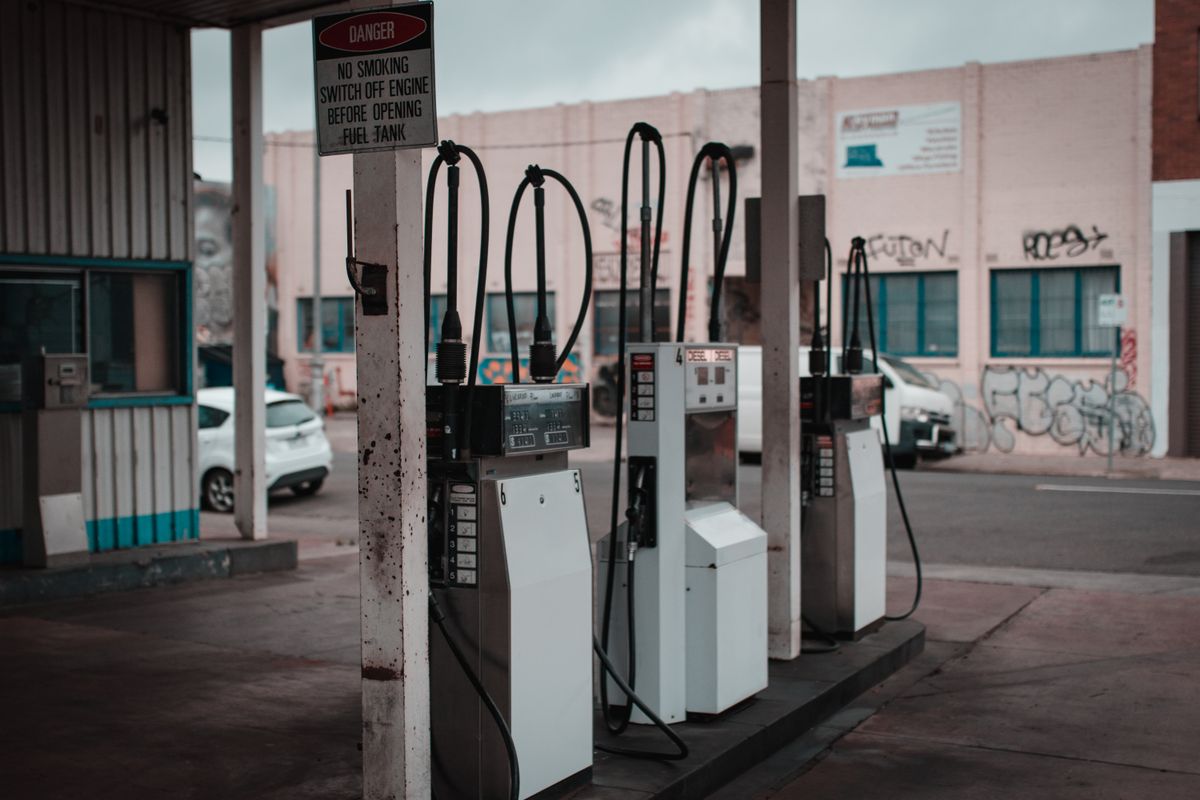
Gas stations and convenience stores are among the locations most likely to feel the pressure. The proposed rules could restrict or remove machines from these businesses, changing the look and economics of thousands of storefronts.
For regular customers, the change may be as simple as noticing that the machines near the counter are gone. For owners, the loss could cut into a revenue stream they have counted on for years.
Some businesses may argue that regulation is fair, but removal goes too far. They may support licensing, taxes, machine caps, and age checks if those steps allow the games to stay. The final debate may come down to one question: should these machines be controlled where they are, or moved out of everyday retail spaces completely?
The Supreme Court Ruling Raised the Stakes
Pennsylvania’s Supreme Court recently ruled that skill game machines must be treated as gambling devices under state law. That decision changed the conversation from a long-running argument into a deadline-driven policy fight.
Before the ruling, supporters of skill games leaned heavily on the idea that players use skill, not just chance. That distinction helped the machines avoid the same regulatory treatment as casino slots.
Now lawmakers have more pressure to act. The state must decide how to tax, regulate, limit, or remove machines that have already spread through ordinary businesses.
Casinos Have Been Watching This Fight Closely
Pennsylvania casinos have a clear reason to care. They operate under strict rules and pay heavy taxes on slot revenue. Skill game operators, by comparison, have spent years in a looser legal space.
From the casino industry’s view, the machines compete for gambling dollars without carrying the same burden. That creates an uneven playing field, especially when skill games look and feel similar to slots.
This is why the debate has become so intense. Casinos want fairness. Small businesses want income. Lawmakers want order. Players want access. Regulators want control.
The Tax Money Could Be Too Big for Lawmakers to Ignore
Skill games are not just a legal headache. They are also a potential source of major tax revenue. If Pennsylvania creates a regulated skill game market, the state could collect money from licensing, machine fees, and gaming revenue taxes. That possibility matters in a state where every new revenue stream gets attention during budget talks.
But the tax rate will be a political battlefield. A high rate may satisfy critics who say skill games should be taxed like casino machines. A lower rate may help small businesses and operators stay alive. Either way, the machines are no longer just a local store issue. They are now part of Pennsylvania’s larger budget conversation.
Players Could Face Slower Games and Stricter Limits
The proposed law not only targets businesses. It also changes the player experience. If lawmakers approve casino-style protections, players may face slower gameplay, forced breaks, and daily loss limits. Those rules are designed to reduce harm by interrupting fast, repetitive play.
That would mark a major change for customers used to quick access and few restrictions. The machines may still exist in some places, but they could feel less like casual entertainment and more like regulated gambling.
The Real Battle Is Over What Counts as Normal
The most interesting part of this story is not the legal language. It is the way gambling-style entertainment has blended into everyday life. A gas station used to be a place for fuel, coffee, lottery tickets, and quick snacks. Now, in many Pennsylvania communities, it may also be a place where customers can sit at a machine and chase a cash payout.
That is the cultural shift lawmakers are trying to manage. The state is not only deciding how to regulate machines. It is deciding how much gambling belongs in ordinary public spaces.
Business Owners Should Prepare Before the Final Vote
Any business hosting skill game machines should start planning now. Waiting for the final law could leave owners scrambling if rules change quickly. They should review contracts with machine operators, calculate how much revenue depends on the games, and prepare for possible licensing or removal requirements. They should also consider how foot traffic may change if regular players stop coming in.
The smartest businesses will not treat this as a distant political fight. They will treat it as a real operational risk.
Pennsylvania’s Coin-Operated Machine Era May Be Entering a New Phase
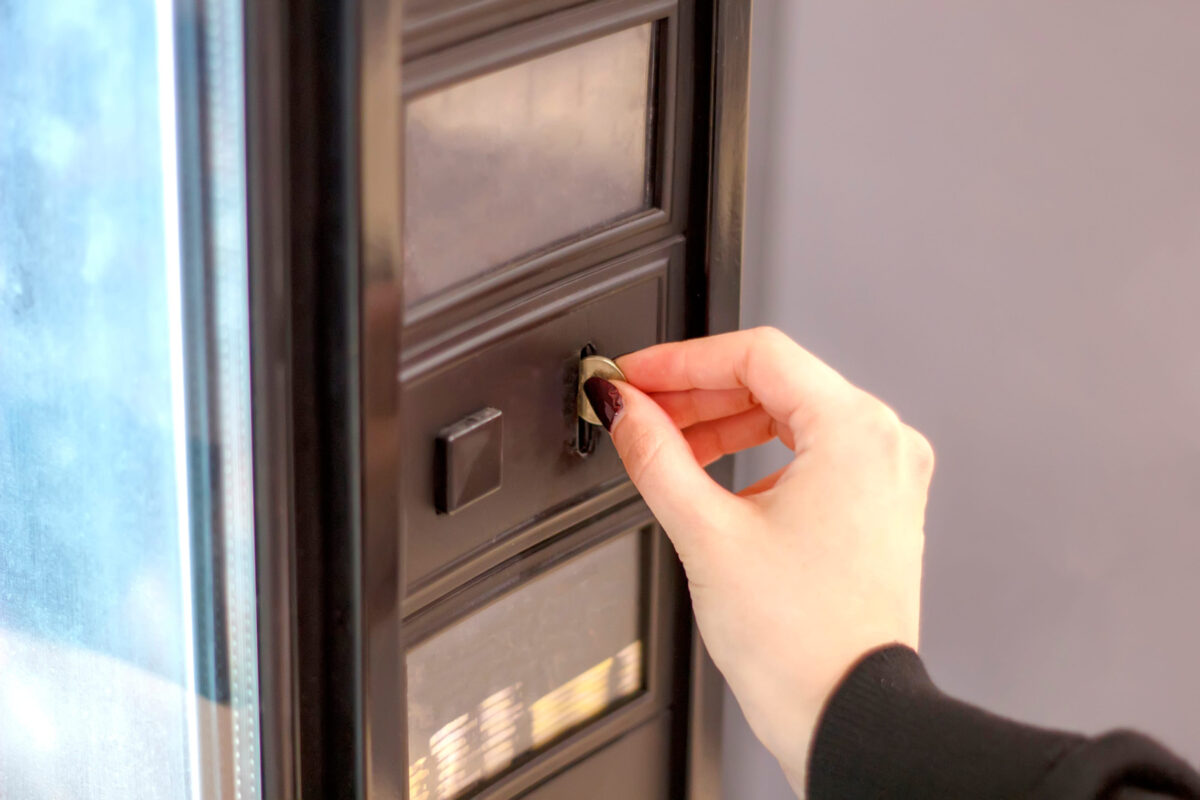
The skill game debate has reached a turning point. Pennsylvania can no longer pretend the machines are a small side issue hiding in the corner of the store.
The machines are part of a much bigger question about gambling access, small business survival, consumer protection, and state revenue. They grew because people played them, businesses hosted them, and regulators had not yet settled the rules.
Now the rules are coming. The only question is how severe they will be. For gas stations and convenience stores, the familiar glow of coin-operated skill machines may soon become a reminder of a looser era that Pennsylvania is preparing to leave behind.