10 Horrifying Countries Where Taxes Devour Your Paycheck
If you think your paycheck disappears too quickly at home, brace yourself. Some countries demand such extreme income levels that working hard barely leaves room to breathe. From jaw-dropping income rates to hidden social contributions, residents feel the weight of taxes in every transaction. We break down the ten worst offenders where high taxes can feel like a financial trap, showing why escaping them might just be tempting.
Sweden Swallows Over Half Your Earnings

Sweden’s top earners face income tax rates exceeding 55 percent, combined with municipal levies that chip away at even moderate salaries. The trade-off is generous public services like healthcare and education, yet many workers feel trapped by the sheer scale of deductions.
Every paycheck demands careful budgeting, leaving little room for luxury or spontaneous spending. For some, financial freedom seems more of an illusion than a reality.
Denmark’s Crushing Cost of Living
In Denmark, high-income residents pay more than 50 percent in taxes, with VAT inflating the price of everyday goods. Public welfare is impressive, covering healthcare, education, and pensions, but the burden hits hard in daily life.
From dining to leisure, almost every purchase contributes to the state’s coffers. Residents often joke that they work first to pay taxes and second to enjoy life, leaving little breathing space.
France’s Layered Tax Trap

France combines steep income taxes, social contributions, and wealth levies, creating a complex and heavy financial load. Top earners pay over 45 percent, while indirect taxes silently raise the cost of essentials.
Generous benefits like healthcare and retirement security come at the cost of financial flexibility. Many professionals must strategize to avoid being swallowed by layers of taxation, making budgeting a constant challenge.
Belgium’s Payroll Punishment
Belgium enforces some of the highest payroll taxes in Europe, with total deductions approaching 50 percent. Both employer and employee contributions significantly reduce take-home pay. While social programs are strong, citizens often find their disposable income shockingly low.
Everyday decisions, from commuting to shopping, are framed by how much will be lost to mandatory deductions, forcing careful financial calculation.
Austria’s Steep Marginal Squeeze
Austria’s progressive tax system pushes top earners to pay over 55 percent in taxes on extra income, with social contributions further eroding their earnings. Residents enjoy public benefits, yet the cost of achieving financial comfort feels steep. The high rate discourages luxury spending and requires meticulous long-term savings planning. In essence, the state takes a dominant role in personal financial decisions.
Japan’s Layered Tax Structure
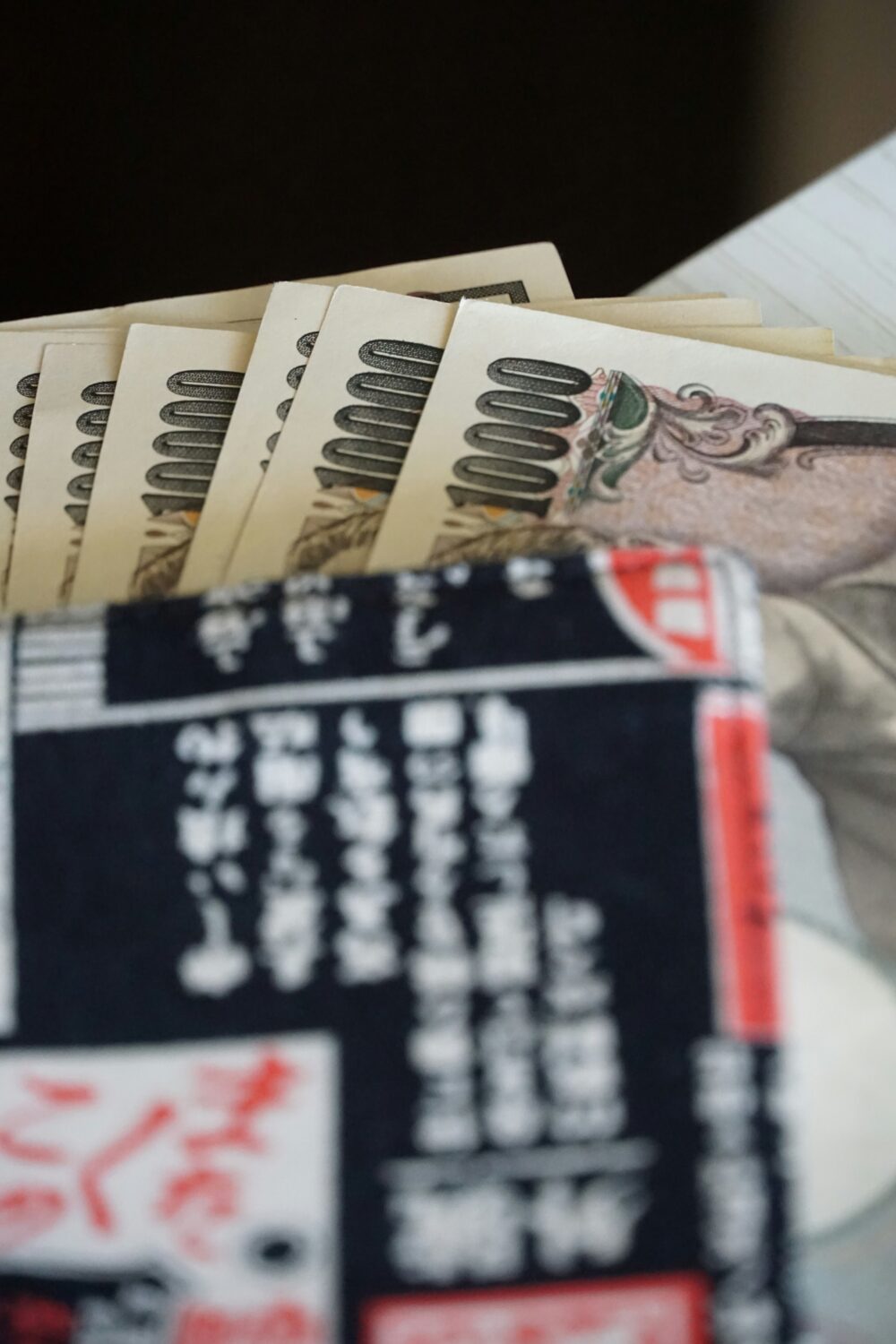
Japan combines national and local taxes with social security contributions, pushing effective rates to nearly 55 percent for high earners. While the infrastructure, healthcare, and pension systems are robust, take-home pay can feel woefully inadequate.
Residents must navigate complex rules to preserve disposable income, turning financial management into a strategic necessity. Every paycheck becomes a careful balance between compliance and personal freedom.
Finland’s Social Contribution Crunch
In Finland, income taxes plus social contributions can claim more than half of a high earner’s income. Exceptional public services come with a heavy price, reducing freedom to spend, save, or invest. Residents often feel constrained, needing to plan every financial move around the relentless deductions. Even modest lifestyle choices require foresight, making day-to-day spending a tightly controlled exercise.
Netherlands’ Taxing Reality
The Netherlands imposes progressive income tax rates exceeding 50 percent, along with healthcare and social insurance levies. The result is high-quality public services at a high personal cost. Citizens must navigate intricate tax laws to maintain a comfortable standard of living, with take-home pay often much lower than expected. Strategic budgeting and foresight are essential, or financial strain becomes inevitable.
Italy’s Revenue-Heavy Burden
Italy combines national income tax, regional surcharges, and mandatory social contributions, pushing effective rates for top earners close to 50 percent. While public benefits exist, residents frequently feel the pinch in everyday spending. Business owners and employees alike must plan carefully to maintain financial breathing room. Taxes can turn even substantial earnings into limited disposable income, constraining lifestyle flexibility.
Germany’s Income and Social Tax Overload

Germany imposes income taxes of up to 45 percent in the highest bracket, with social security contributions adding another heavy layer. Citizens enjoy healthcare, education, and strong social programs, yet the deductions reduce take-home pay. Large portions of salaries vanish before discretionary spending, forcing residents to weigh every financial choice carefully.
Conclusion
High taxes fund excellent public services, but these ten countries illustrate the extreme side of income levies. For many residents, financial freedom is tightly controlled by government policies, requiring careful planning to maintain a comfortable lifestyle. If you value keeping your paycheck in your pocket, these countries might make you reconsider working abroad, or at least your spending habits.