Iran Army Chief Warns U.S. Ground Troops Would Face “Millions” Ready to Resist
A conflict fought largely through missiles, drones and aircraft is now being shadowed by a more dangerous question: What happens if American forces step onto Iranian soil?
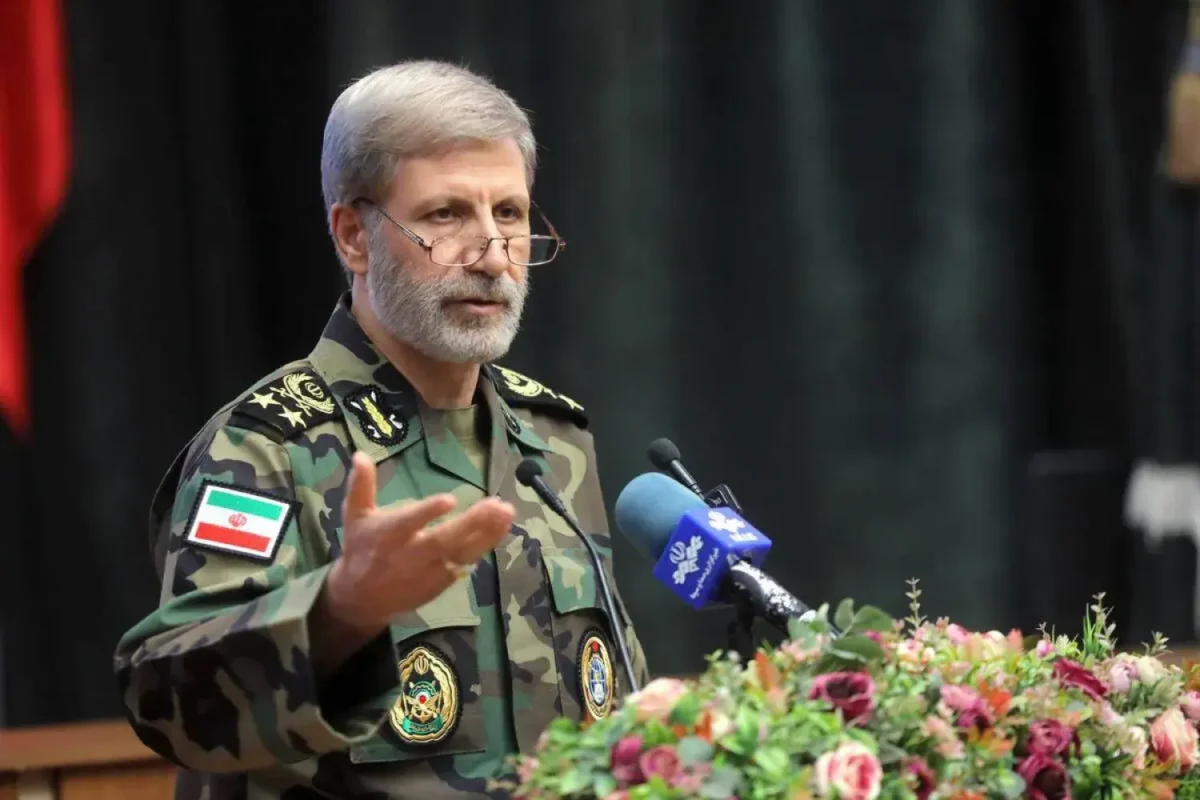
Iran’s army commander, Maj. Gen. Amir Hatami, delivered an answer intended to leave Washington with no illusions. During a July 22 visit to military units in Isfahan Province, Hatami warned that any American ground intervention would encounter not only Iran’s armed forces, but potentially widespread civilian resistance.
“If the United States sets its filthy foot on Iranian soil,” Hatami said, it would face “millions of people” prepared to confront American troops with whatever they had available.
The language was deliberately inflammatory. The message underneath it was straightforward: Tehran wants Washington to believe that entering Iran would trigger a national struggle rather than a quick, controlled military operation.
Hatami turns public resistance into a military warning
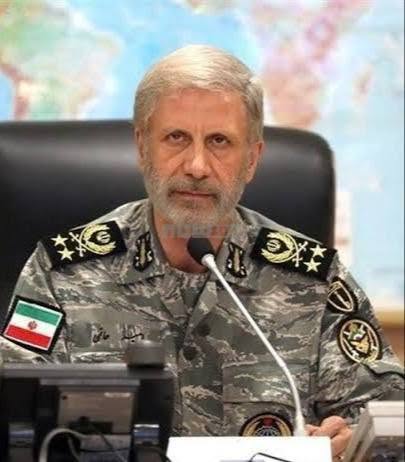
Hatami made the remarks while inspecting Iranian ground, air-defense and air-force units in central Iran. He said the country had continued strengthening its combat capabilities because Iranian leaders expected tensions with the United States to escalate.
“We did not waste a single moment,” Hatami said while describing Iran’s efforts to improve military readiness. He argued that Tehran never trusted its adversaries to honor agreements or avoid renewed military action.
The general also claimed Washington had expected Iranians to welcome American forces. Instead, he said, the United States encountered widespread hostility and determination from the Iranian public.
That assertion came from Iran’s military leadership and should not be treated as an independent measurement of public opinion. No evidence was presented showing that millions of civilians have been armed, organized, or formally mobilized.
Hatami was issuing a deterrent threat, not announcing the creation of a civilian army.
Still, the framing matters. Iranian leaders are presenting the conflict as more than a confrontation between two governments. They are describing it as a defense of national territory against foreign intrusion, a message that could resonate even among Iranians who disagree with the country’s political leadership.
Hatami predicted Iran would survive the crisis and said its enemies would regret pursuing what he called their “sinister intentions.” Iranian state media portrayed the speech as evidence that the country’s armed forces remained prepared for further escalation.
Trump’s nuclear threat raises the temperature
Hatami’s warning followed another sharp message from President Donald Trump.
On July 21, Trump said the United States could soon strike a deeply buried nuclear-related complex near Natanz commonly known as Pickaxe Mountain. Trump said the site could be hit “pretty soon” and “very heavily,” adding that the United States was not finished with its military campaign.
The threat came as U.S. Central Command reported completing an 11th consecutive night of strikes against Iranian targets.
CENTCOM said those attacks focused on military operations centers, aircraft hangars, drone-storage facilities, maritime capabilities and logistics infrastructure. According to the command, the campaign was intended to reduce Iran’s ability to threaten commercial vessels passing through the Strait of Hormuz.
Recent attacks may also give Trump additional military options.
Reuters reported that U.S. officials viewed strikes against air defenses, coastal radar, missile positions and other military assets as preparation that could support more complicated operations if the president ordered them. Officials previously discussed options involving Iranian shorelines and strategically important islands, although those discussions did not amount to an announced full-scale invasion.
That distinction is important. Hatami did not identify a confirmed American invasion order. His comments appeared designed to discourage Washington from moving in that direction.
The nuclear dispute remains at the center of American pressure. The White House has repeatedly said Iran must not obtain a nuclear weapon, while Trump has warned that Washington will act if Tehran rebuilds capabilities the United States considers threatening.
Threats and negotiations move side by side
Hatami’s statement was aimed at several audiences.
For Iranians, it projected confidence after sustained military and economic pressure. For American officials, it warned that even a limited operation on Iranian territory could expand beyond its original mission. For the wider Middle East, it presented Iran as capable of imposing serious costs despite repeated U.S. attacks.
The timing was especially striking because military threats have continued alongside diplomatic contacts.
On July 24, Trump said the United States and Iran were communicating, although he added that Tehran was not yet ready to finalize an agreement. “We’ll see what happens,” the president told reporters while describing the talks.
That combination creates an unstable atmosphere. Threats can be used to gain leverage during negotiations, but they can also reduce the space available for compromise. Once leaders portray retreat as humiliation and resistance as a national obligation, even a limited incident becomes harder to contain.
For now, Hatami’s declaration remains a warning, not proof that an American ground invasion is underway.
But it marks a significant turn in the public argument surrounding the conflict. The debate is no longer confined to airstrikes, nuclear facilities or shipping lanes. It now includes the consequences of American soldiers physically entering Iran.
That is the possibility Tehran wants Washington to fear most.