Trump and LeBron James’ Latest Clash Reveals a Bigger Battle Over Culture, Influence and Power
When President Donald Trump and NBA superstar LeBron James exchange criticism, the conversation quickly becomes bigger than basketball or politics. It becomes a clash between two global figures who built their influence in completely different worlds.
Trump’s recent suggestion that James may be “a racist” has reignited one of the most recognizable public disputes between a political leader and a professional athlete. But beneath the headline is a deeper story about celebrity, influence, identity, and the changing role of public figures in American society.
The disagreement between Trump and James is not simply a personal feud. It represents a broader cultural debate about who gets to shape public conversations, whether athletes should use their platforms for social issues, and how powerful individuals respond when their influence reaches beyond their original fields.
Two Different Paths to Power: Trump’s Politics vs. LeBron’s Cultural Influence
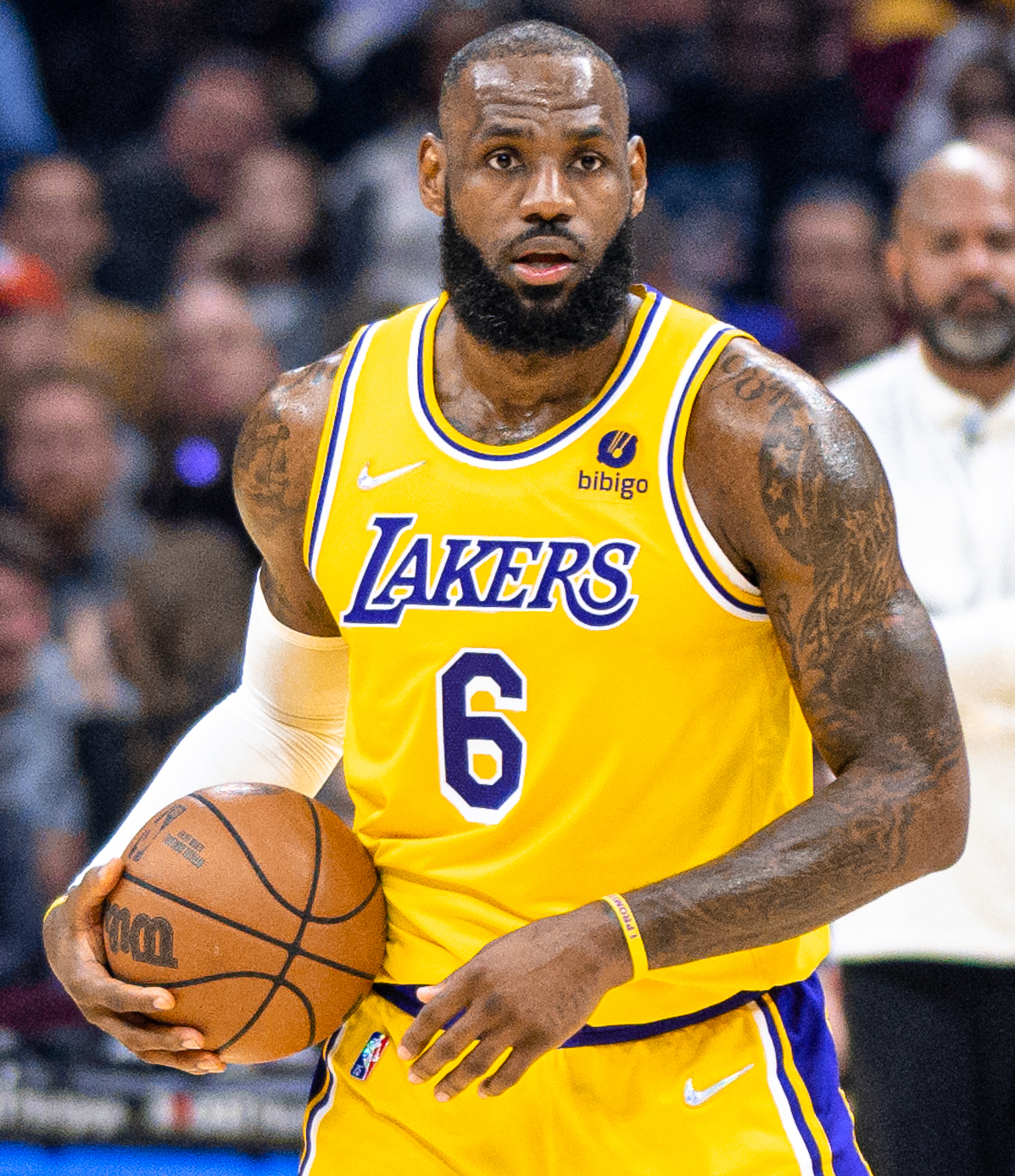
Donald Trump and LeBron James represent two different versions of modern influence.
Trump built his public identity through business, television, and politics. Before entering the White House, he became widely known through real estate branding and his role as host of the television program The Apprentice. His communication style helped him create a large and loyal political following.
James built his influence through basketball excellence, but his reach expanded far beyond the NBA. After becoming one of the greatest players in league history, he developed businesses, invested in entertainment projects, supported education initiatives, and became a major voice on social issues.
The contrast between the two figures is striking:
| Donald Trump | LeBron James |
| Political leadership | Athletic leadership |
| Business and media background | Sports and entertainment background |
| Campaign rallies and political messaging | Athlete activism and community programs |
| Support through a political movement | Influence through sports and culture |
Their disagreement captures a defining feature of modern society: influence is no longer controlled by one type of institution.
A president can shape conversations from a political platform. An athlete can shape conversations from a basketball court.
Why LeBron James Became More Than a Basketball Player
The reason criticism involving LeBron James attracts national attention is because he has become a cultural figure, not just a sports figure.
James entered the NBA as a teenage phenomenon and developed into one of the most successful athletes of his generation. His career achievements include multiple NBA championships, MVP awards, and international recognition.
However, his influence grew beyond statistics and trophies.
Through the I PROMISE School in Akron, Ohio, James created an education-focused initiative designed to support students and families in his hometown. His business ventures and media projects also expanded his role from athlete to entrepreneur.
For supporters, James represents an athlete using success as a tool to create opportunities beyond sports.
For critics, his political and social commentary has created debate over whether professional athletes should remain focused solely on competition.
That debate is one of the reasons the Trump-James conflict continues to attract attention.
The Long American Tradition of Athletes Speaking Out
The argument surrounding LeBron James follows a decades-long debate about the role of athletes in public life.
American sports history includes many examples of athletes who used their platforms to discuss issues beyond competition.
Muhammad Ali became known not only for his boxing achievements but also for his political beliefs and refusal to remain silent on issues he considered important.
Bill Russell participated in civil rights efforts while establishing himself as one of basketball’s greatest champions.
Colin Kaepernick sparked a national discussion after protesting racial injustice through his decision to kneel during the national anthem.
LeBron James is part of this larger tradition of athletes who believe their visibility creates an opportunity to address issues affecting society.
The disagreement is not only about what James says. It is about whether athletes should have a responsibility to say anything at all.
How a Celebrity Disagreement Became a National Debate
The Trump-LeBron feud demonstrates how modern media has transformed personal disagreements into major cultural events.
In previous generations, disagreements between public figures were filtered through newspapers, television networks, and official statements.
Today, politicians, athletes, and celebrities communicate directly with millions of people through digital platforms.
A single comment can quickly become:
- A trending topic
- A political talking point
- A sports debate
- A national conversation
Both Trump and James understand the power of visibility. Their public identities are built around communication, loyalty, and connection with large audiences.
Their disagreement receives attention because both figures have mastered the modern attention economy.
The Battle Over Who Gets to Define Culture
At the center of the Trump and LeBron James conflict is a larger question: Who has the power to influence American culture?
For decades, politicians were among the most influential public voices. Today, athletes, entertainers, and business leaders often compete for the same cultural space.
James represents a generation of athletes who see themselves as community leaders as much as competitors.
Trump represents a political movement built around direct communication and challenging traditional institutions.
Their clash reflects a broader shift where influence is no longer limited to government offices or corporate boardrooms.
A basketball player with a global audience can influence conversations just as quickly as a political leader.
Why Their Supporters View the Conflict Differently
The reaction to Trump’s comments about LeBron James often depends on how people view the role of public figures.
Trump’s supporters frequently praise his willingness to directly challenge critics and speak without traditional political restraint.
James’ supporters often highlight his achievements, charitable work, and willingness to address social issues.
Critics on both sides argue that public figures can sometimes deepen divisions when disagreements become personal.
The controversy continues because it touches on larger questions about leadership, representation, and responsibility.
The Business of Being a Modern Icon
For figures like Trump and James, reputation is closely connected to influence, business, and public perception.
Modern celebrities are not only judged by their professional achievements. Their personal brands have become valuable assets.
A public statement can affect:
- Partnerships
- Sponsorships
- Business opportunities
- Public loyalty
James has built a brand around basketball excellence, entrepreneurship, and community impact.
Trump has built a brand around business, politics, and media presence.
Both understand that attention is a powerful form of currency.
The Generational Divide Behind the Trump-LeBron Debate

The Trump-LeBron rivalry also represents two different eras of fame.
Trump rose during a television-driven culture where personalities became household names through traditional media.
James became a global superstar during the social media era, where athletes communicate directly with fans and build personal brands online.
Their approaches reflect different generations of influence.
The Bigger Meaning Behind Trump’s LeBron James Comments
The latest exchange between Donald Trump and LeBron James is about much more than two famous personalities disagreeing.
It represents a larger transformation in American culture where athletes, politicians, entertainers, and entrepreneurs all compete for public influence.
The question at the heart of their feud is not simply who wins an argument.
The deeper question is how society decides which voices matter.
In the modern era, power is measured not only by position or title but also by the ability to shape conversations. A president can influence millions from a political stage. A basketball star can influence millions from a global platform.
The Trump-LeBron James dispute continues because it reflects a much larger conversation about fame, leadership, and the changing definition of cultural power in America.