8 Disturbing Signs the American Neighborhood Is Disappearing
There was a time when an American neighborhood had a soundtrack. A lawn mower coughing to life on Saturday morning. Kids are racing bikes down the sidewalk. Someone is yelling for the dog. A screen door slamming.
A grill is smoking in the driveway. A neighbor borrowed a ladder and returned it three months later, as everyone had forgotten. Now, many streets still look alive, but they feel strangely quiet.
The houses are full. The cars are parked. The packages arrive. The porch lights turn on. Yet people often do not know who lives ten feet away. They know garage doors, not names. They recognize Amazon boxes, not birthdays. They wave from behind windshields, not across fences.
That is why the feeling that the American neighborhood is disappearing hits so hard. It does not mean every street is cold. Many places still have block parties, school parents, church friends, porch talk, and neighbors who show up when life gets ugly. But the old habit of knowing the people nearby is fading.
Recent research shows that regular neighbor engagement has fallen sharply since 2012, suggesting that the quiet many Americans feel on their own block is not just in their heads.
People live close but feel like strangers.
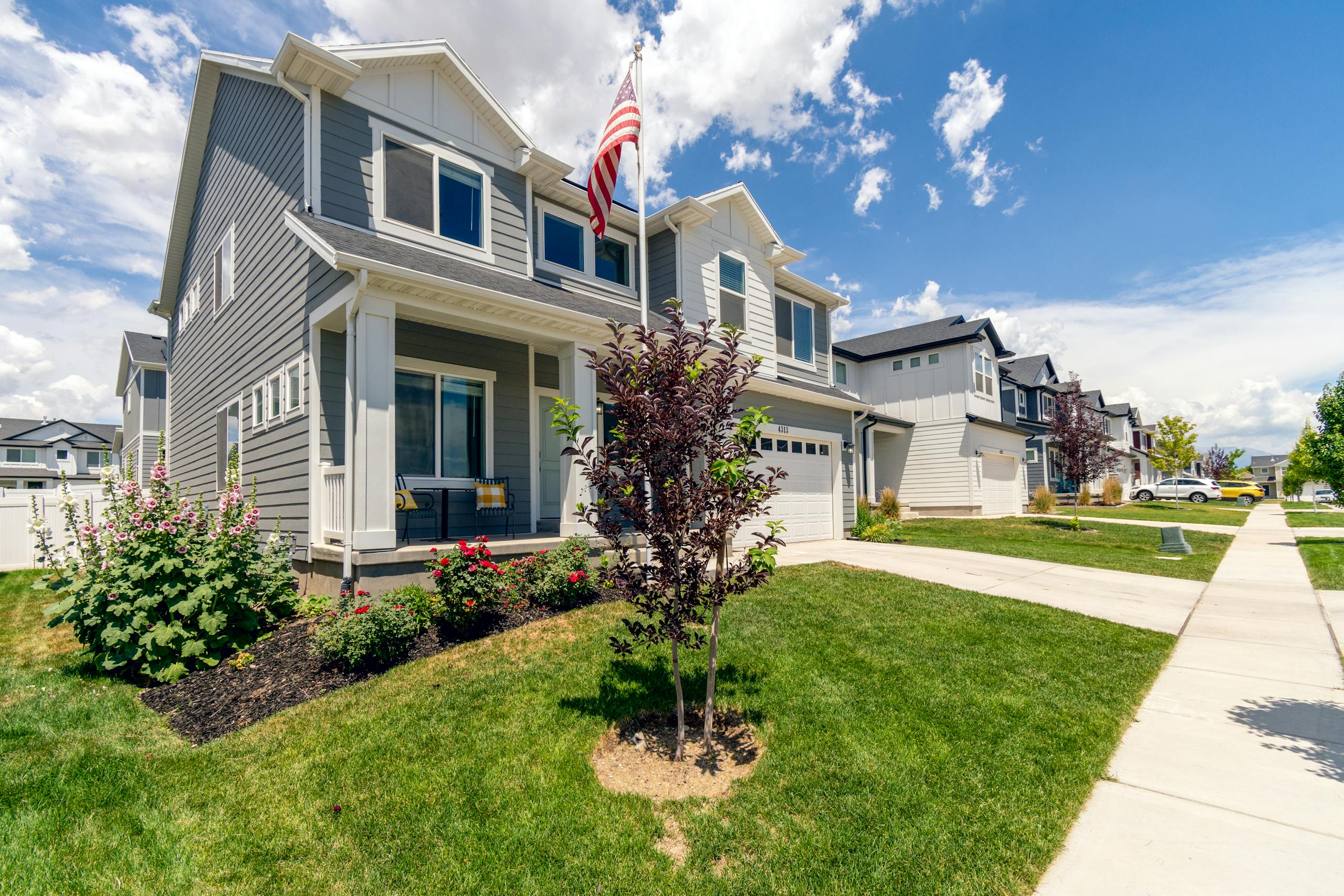
A person can share a wall, a driveway, a mailbox area, a parking lot, a sidewalk, or a hallway with someone for years and still not know their name.
That is one of the strangest signs of modern neighborhood decline. Americans are physically close, but socially distant. They may know who has the loud truck, who leaves trash cans out too long, who orders too many packages, and who owns the barking dog.
But they may not know who just had surgery, who is raising a child alone, who is grieving, or who might need help after a storm. A neighborhood is not built by houses sitting side by side. It is built on recognition.
You see someone enough times to nod. The nod becomes a wave. The wave becomes a quick conversation. The quick conversation becomes trust. Once those small steps disappear, everyone becomes a stranger with a house key.
That is already happening in many places. Recent survey data shows that only about a quarter of adults say they know all or most of their neighbors.
That is not just a social detail. It changes the emotional temperature of a street.
The front porch has been replaced by the garage door.
The front porch used to do quiet magic. People sat outside. They watched kids play. They waved at walkers.
They noticed who came home late, who needed help carrying groceries, and who had not picked up the mail. Nobody needed a formal invitation. The neighborhood introduced itself through repetition.
Now the garage door has become the new front door. A person drives home, presses a button, disappears inside, and closes the world behind them. The house becomes private. The street becomes background. The neighbor becomes someone you might see if you both take out the trash at the same time.
This is not always intentional. People are tired. The weather is harsh. Work follows them home. Streaming is easy. Phones are addictive. Privacy feels safer.
Still, the result is the same. Nobody lingers. Nobody becomes familiar. Nobody accidentally becomes part of someone else’s life.
A street can be full of people who are all socially active somewhere else. The problem is that “somewhere else” is often a screen.
Young adults are not learning the neighborly habit.
Older Americans often remember neighborhood life as something that happened naturally.
Kids played outside until dark. Parents talked on the sidewalks. Someone always knew which house had popsicles, which neighbor was strict, and which one gave out the best Halloween candy.
Many younger adults did not inherit that rhythm.
Their friendships often form through school, work, gaming, social media, dating apps, group chats, or carefully planned meetups. A friend across the country may feel more present than the person across the hall. That does not mean young people hate community. It means the community has moved into other spaces.
The numbers show the shift clearly. Research found that young adults talk to neighbors far less than they did in 2012. That matters because habits form early.
If young adults do not learn how to build casual local connections, the next version of the American community may become even thinner. A generation can be socially active online and geographically lonely at home.
Trust is getting harder to build on the block.
A neighborhood needs more than sidewalks. It needs trust. Trust is what makes someone ask a neighbor to watch the dog. Trust is what lets parents feel comfortable when kids play outside.
Trust is what makes people knock when something seems wrong. Trust is what turns a row of houses into a safety net. That trust is weaker now.
Fewer than half of adults say they trust all or most of the people in their neighborhood. Many trust only some. Some trust none.
That does not mean people are wrong to be cautious. America has real safety concerns, scams, crime fears, political tension, and privacy worries. But a neighborhood where everyone protects themselves from everyone else becomes emotionally cold.
Trust cannot grow if people never talk. It cannot grow if every unknown face feels suspicious. It cannot grow if neighbors meet only during conflict over noise, dogs, parking, fences, or property lines.
The American neighborhood is disappearing wherever suspicion has replaced familiarity.
Social life has moved indoors and online.

American social life has changed its address. It used to spill into yards, sidewalks, parks, churches, diners, schools, barbershops, front porches, and local clubs. Now much of it happens through phones, streaming, gaming, private chats, remote work, and online communities.
That shift has benefits. People can stay connected across distances. They can find niche groups, support, humor, advice, and friendship in places their local neighborhood may not offer.
But something gets lost when nearby life becomes invisible.
A person can know a stranger’s life story on TikTok and still not know the name of the elderly woman next door. They can argue with people in another state while ignoring the person shoveling snow across the street. They can feel up to date with everyone online and still feel disconnected at home.
The broader trend is visible too. Time-use data shows Americans are socializing and communicating less on an average day than they did a decade ago.
That matters because neighborhoods do not survive on intention alone. They survive on the time they spend together.
Loneliness is hiding inside crowded places.
Loneliness does not always look like an empty house. It can look like a packed apartment building where nobody speaks. A subdivision where every garage closes by 6 p.m. A city block where thousands of people pass daily without one real connection.
That is the strange loneliness of modern America. People can be surrounded by homes, traffic, stores, schools, and neighbors while still feeling deeply alone.
Neighborhoods used to soften that feeling. They did not solve every emotional problem, but they created small points of contact. A wave from across the street. A chat at the mailbox. A neighbor notices your absence. A familiar face during a hard week.
Those tiny moments matter. Recent social data shows many adults feel lonely or isolated, especially younger and lower-income Americans. When neighborhoods weaken, loneliness gets more room to hide in plain sight.
A full street can still feel empty if nobody feels known.
People want community, but do not know how to start.
Not everyone wants to live behind a closed door. Many Americans want more connection. They want to volunteer, meet neighbors, join local events, help with community projects, or feel like they belong somewhere nearby.
The problem is that many do not know where to begin. Knocking on a neighbor’s door can feel awkward. Starting a block party can feel too bold. Joining a local group can feel intimidating.
Volunteering can feel confusing if nobody knows where to sign up. People wait for an invitation. The invitation never comes.
That gap matters. Community research shows that many would-be volunteers are unsure how to participate, suggesting the problem is not always a lack of time. Sometimes it is a lack of an obvious doorway.
The old systems that helped people meet, such as churches, civic clubs, unions, school associations, local sports, and neighborhood groups, are weaker in many places.
When nobody knows how to start, everyone keeps waiting for someone else to be the first to become the neighbor.
Local problems feel bigger when nobody knows each other.
Neighborhood problems are easier to solve when people already have some trust in one another.
A broken streetlight. A speeding car. A loud rental. A dangerous intersection. A storm cleanup. A missing pet. A struggling elderly neighbor. A suspicious situation. A school concern. These problems require communication.
When neighbors do not know each other, every issue feels harder. People post angry messages in neighborhood apps. They call the authorities before trying a conversation. They assume bad intentions. They fight over things that could have been resolved with a single normal human exchange.
Weak ties are most evident during stress. Community strength depends on whether people believe neighbors will show up when something needs to be done. If that belief disappears, every problem becomes more isolated.
Even new development can deepen the issue. Americans still care deeply about what happens near them, as seen in opposition to local projects near homes over concerns about resources, cost, pollution, and quality of life. But caring about a place is not the same as knowing the people in it.
A neighborhood cannot survive on property values alone. It needs relationships.
Conclusion

The American neighborhood did not vanish overnight. It disappeared slowly. One closed garage at a time. One skipped block party. One ignored wave. One evening spent scrolling instead of sitting outside. One family moving in and out without ever learning the neighbors’ names.
The loss matters because neighborhoods are not just background scenery. They are where children learn trust, adults find support, older people stay visible, and communities notice trouble before it becomes a crisis.
A country cannot live only through screens, workplaces, cars, and private homes. People need somewhere nearby where they belong.
The good news is that neighborhoods can come back. Not with speeches. Not with nostalgia. Not by pretending every street used to be perfect.
They come back when people decide the person across the fence is worth knowing.