
Your Weekend Doesn’t Need Big Plans; These Little Family Traditions Can Make It Feel Special
A special family weekend doesn’t have to begin with tickets, reservations, or a parent announcing an ambitious itinerary before breakfast. It can start with pancakes, a familiar walking route, or a game everyone knows how to play. The American Academy of Pediatrics recommends regular shared activities, from meals and reading to recreation, as opportunities for family connection. The appealing part is that these activities can fit into ordinary life rather than requiring an entirely different version of it.
That is where a simple tradition earns its place. A University of Illinois resource on family traditions describes them as “planned habits with significance”, things a family repeats with a particular purpose. Examples include Saturday pancakes and a weekly evening devoted to games, pizza, movies,, or an outing. The activity doesn’t need to be impressive; what matters is the shared meaning and the decision to keep making time for it.
Give an Ordinary Meal a Standing Invitation
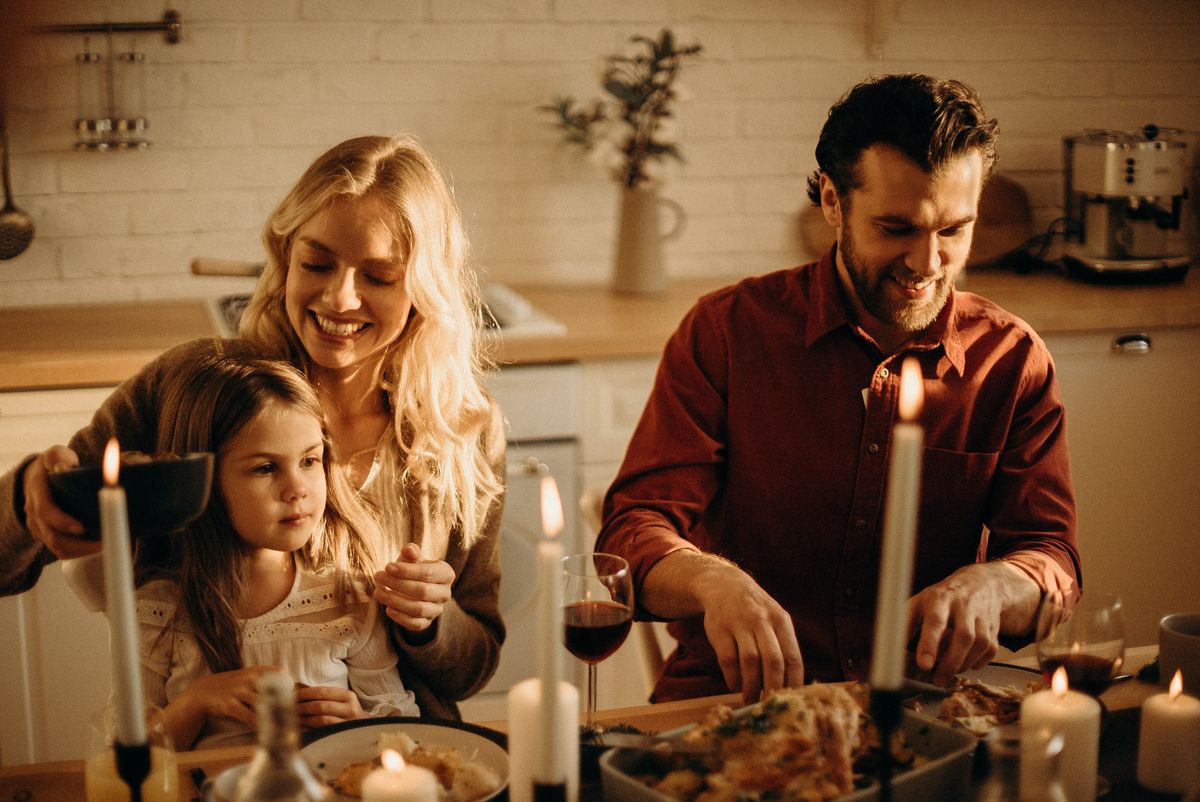
Weekend breakfast is an easy place to start, especially when weekday dinners are hard to coordinate. The American Academy of Pediatrics specifically suggests weekend breakfast or brunch as another opportunity to eat together. Its guidance also removes the pressure to produce something elaborate: “You don’t have to eat every meal together, and you don’t even have to cook!” Sandwiches, fruit, or leftovers are fine, so the tradition can center on gathering rather than culinary performance.
Choose a version that suits your household: Saturday toast with everyone’s favorite toppings, Sunday eggs or a pancake breakfast when time allows. These are possible ways to put the academy’s shared-meal advice into practice, not a prescribed menu.Let children participate through age-appropriate food preparation, setting the table, or suggesting next weekend’s meal. The academy notes that helping prepare food offers opportunities to learn about cooking, meal planning, and everyday routines, while the table provides space for conversation.
The conversation can become part of the tradition, too, without turning breakfast into a compulsory feelings seminar. Ask about something funny from the week, a meal someone would like to try, or a food a grandparent used to make. The academy encourages sharing stories about childhood dishes and discussing recipes that families might enjoy again. A familiar breakfast can therefore carry a little family history alongside the butter, without requiring a formal lesson or a perfectly attentive audience.
Research supports taking these small patterns seriously, though it should not be oversold. A 2002 review led by psychologist Barbara H. Fiese examined 32 publications and found family routines and rituals were related to parenting competence, child adjustment, and marital satisfaction. Those relationships do not prove that introducing Sunday pancakes causes those outcomes. They do support treating everyday family practices as something worth studying, not dismissing them because they look less exciting than a big outing.
Make Room for Play, Fresh Air and a Little Choice
A recurring game session is another straightforward option, and it doesn’t need to take up an entire evening. Pick an age-appropriate board game, a card game, or another activity everyone can join, then give it a recognizable place in the weekend. The American Academy of Pediatrics recommends putting family fun on the calendar so people have something to look forward to together. Its emotional-development guidance states, “The goal is to share joy and connect,” a useful reminder when an enthusiastic player starts treating the scoreboard like a national emergency.
Children should have a voice in what that shared time looks like. For one-on-one play with younger children, the academy recommends letting the child choose the activity and putting phones away.Families could adapt that spirit by rotating who picks the weekend game or chooses between two manageable activities. The rotation is a practical suggestion rather than a research-tested formula, but it gives the tradition room to reflect more than one person’s idea of fun.
For families who prefer getting out, a familiar walk can serve the same purpose without becoming a major expedition. The academy lists walks in the park, games, movies, and sports among recreational activities families can enjoy together. It also points to libraries, museums and performances as opportunities to explore cultural interests. A possible weekend pattern is a park walk followed by a library stop, with the route or book choices changing while the shared time remains recognizable.
Even an errand can become an opportunity rather than automatically being classified as lost family time. The academy suggests involving children in grocery shopping by letting them make lists, locate items, and help unpack at home. It notes that appropriate choices and meaningful responsibilities can help build confidence. That does not make every supermarket trip magical, but it offers a way to include children in something the household already needs to do, rather than adding another appointment.
Keep the Tradition Small Enough to Enjoy Again
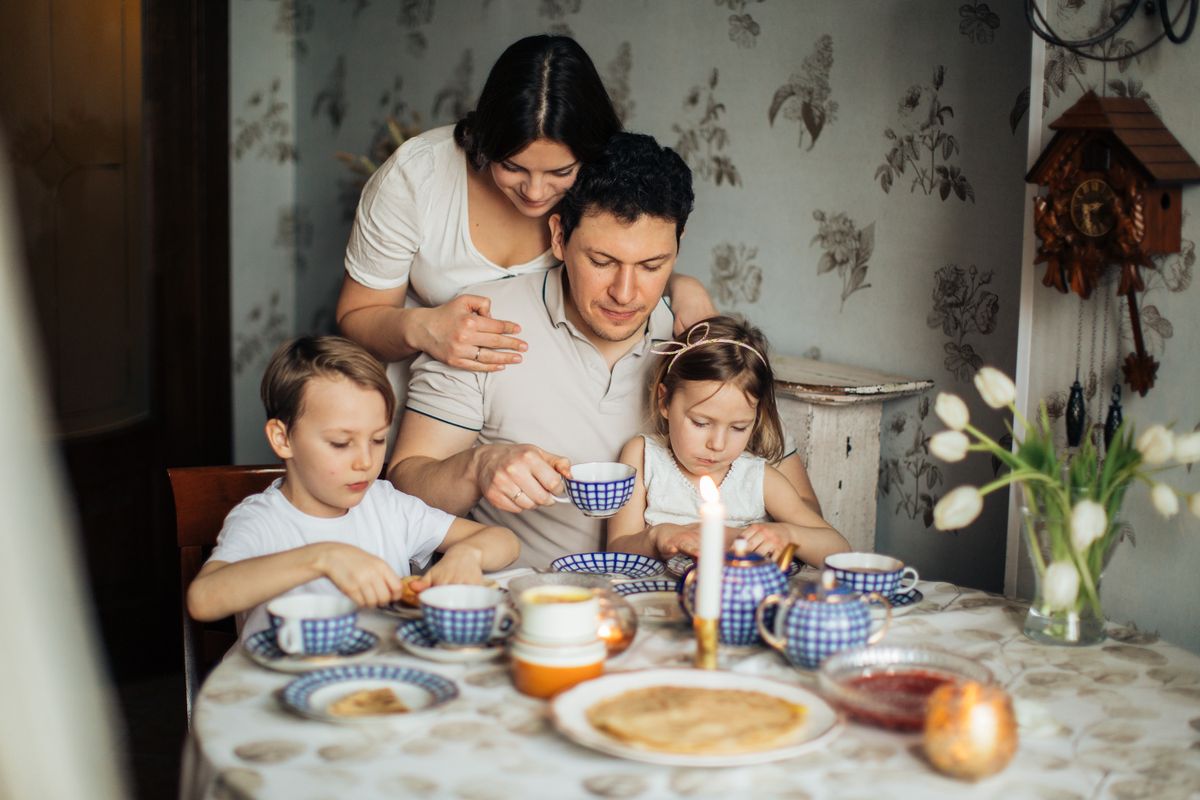
Reading together offers a quieter option for weekends that already contain plenty of activity. The academy recommends finding out which stories children enjoy, taking turns reading aloud and sharing books or songs parents remember from childhood. A Saturday library visit followed by a short reading session is one way to follow that advice. So is a Sunday afternoon story on the sofa, with a favorite book making another appearance because repetition is welcome, not a failure of imagination.
A brief family check-in can also give Sunday a shared point of focus.The academy describes weekly family meetings as opportunities to discuss plans, experiences, and family issues, with everyone from the youngest to the oldest having a chance to participate. Keep the format suited to your household: a few minutes about the coming week may be more realistic than an elaborate agenda. The important distinction is between making room for people to be heard and turning the weekend’s final hour into another parental announcement session.
Start with one tradition rather than assigning every available hour a sentimental purpose. The University of Illinois resource emphasizes that traditions require planning and follow-through, while its examples remain reassuringly ordinary. A useful guiding word is repeatable: choose something your household can realistically return to, whether that means breakfast, a game, a walk, or a story. The weekend does not need to become extraordinary from beginning to end; it just needs a little shared time that has a place in it.


