Arizona’s Most Over-the-Top Hot Dog Has Bacon, Beans and a Border-Crossing Backstory
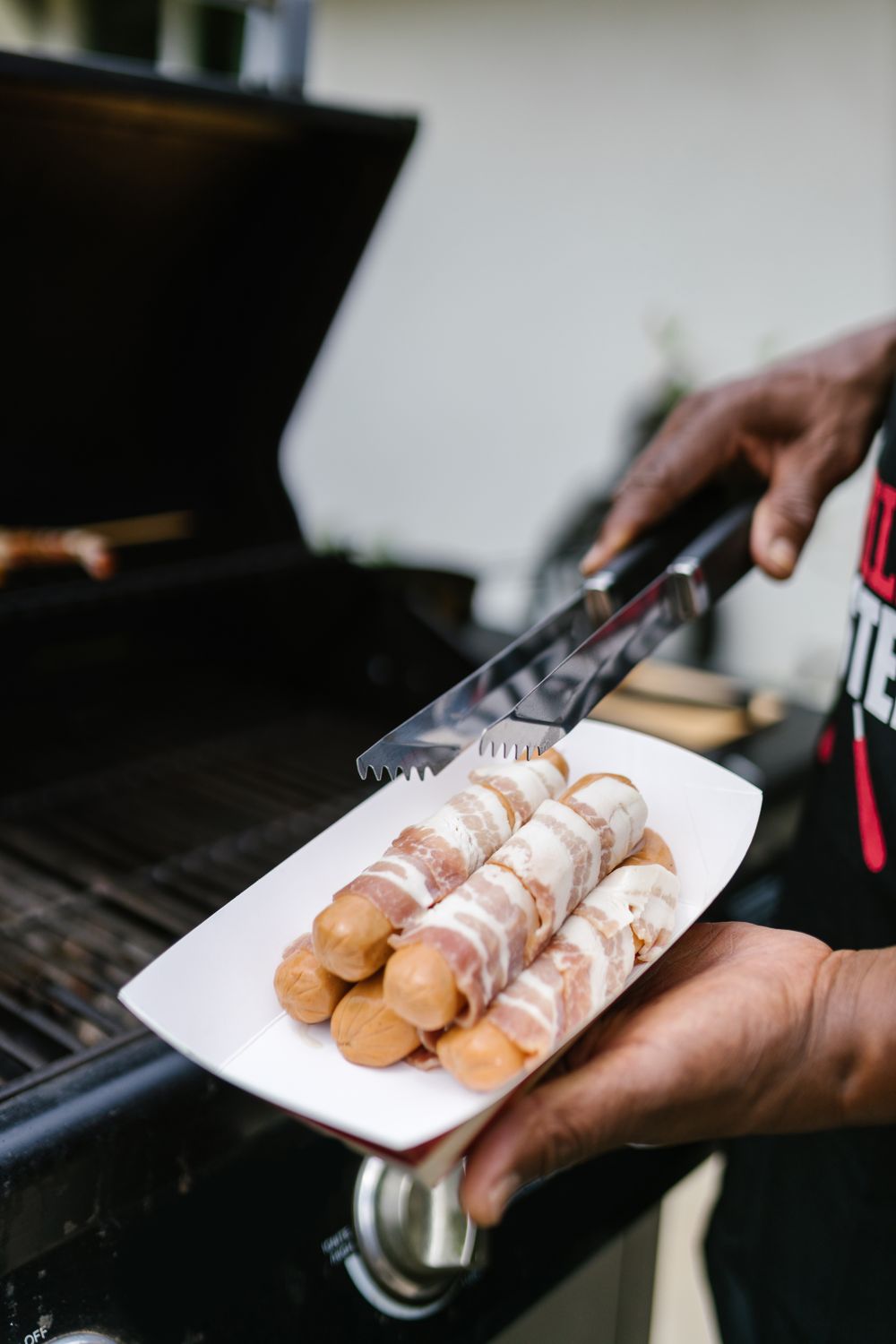
A hot dog wrapped in bacon already makes a strong opening argument. Tuck it into a soft Mexican roll, add pinto beans, onions, tomatoes, mustard, mayonnaise, and jalapeño salsa, and suddenly the usual squiggle of ketchup looks a little underambitious. That is the appeal of the Sonoran hot dog: a familiar food rebuilt into something unmistakably regional, with enough going on inside the bun to make every ingredient count.
But Arizona’s affection for this loaded hot dog is about more than generous toppings. Its story connects street vendors in Hermosillo, the capital of Mexico’s Sonora state, with the food stands and restaurants of southern Arizona. Tucson became its American stronghold, and one local business helped carry it into the national culinary spotlight. The result is a borderland favorite whose history is every bit as layered as its lunch order.
Before It Became an Arizona Favorite, It Had a Life in Sonora

The Sonoran hot dog did not begin in Arizona. In its account of the dish, the James Beard Foundation describes elaborately dressed hot dogs appearing decades ago on the streets of Hermosillo as novelty imports. The important detail is the direction of travel: an American-associated food went into Mexico, acquired a distinctive local identity, and crossed back into the United States wearing considerably more than mustard.
Pinning that transformation to a single inventor or birthday is another matter. Published accounts include stories about baseball concessions, traveling circuses and late-night food carts around the University of Sonora, but those accounts do not establish one definitive beginning. Writing for The Takeout in 2020, Cristina Schreil described the university-cart connection as a legend rather than a settled fact. Hermosillo’s place in the story is clearer than any tidy claim about who assembled the first one.
Sonora-born chef Minerva Orduño Rincón made that geographic connection particularly clear when she told The Takeout, “It should technically be called the Hermosillo dog.” She also described a “symbiotic relationship” between the two sides of the border in its creation. That is a useful way to understand the dish: not as one country borrowing another’s lunch unchanged, but as a food transformed through an ongoing exchange of ingredients, techniques and tastes.
Food writer and cookbook author Jackie Alpers put its Arizona significance in similarly direct terms. “The Sonoran hot dog has become an emblem of our cultural connection to both the United States and to the state of Sonora in Mexico from which it originated,” she told Chron in 2025. Its Mexican roots and Arizona identity are not competing claims. Together, they explain why the hot dog belongs so comfortably to the borderlands.
The Bacon Gets Your Attention. The Rest Makes It Sonoran.
Start with the frank, wrapped in bacon and cooked on a flat-top griddle. Then comes the bolillo-style roll, a substantial departure from the standard American hot dog bun. The Takeout describes a soft, steamed version that cradles the sausage and its toppings. Pinto beans, chopped tomatoes, onions, and creamy sauces turn the finished dog into something closer to a fully assembled meal than a plain ballpark snack. A grilled güero chile often comes alongside it.
Still, no single topping lineup is enforced across every stand. Onions can be grilled, raw, or both; vendors may add guacamole, avocado purée, different salsas, cheese, or pickled vegetables. Those variations give individual dogueros, the vendors who prepare the hot dogs, room to distinguish themselves. The recognizable foundation remains, but the details can change from one counter to the next. Discovering those differences is part of understanding the food, not evidence that somebody made it incorrectly.
“The condiments are what make it a Sonoran hot dog,” El Güero Canelo founder Daniel Contreras told The Takeout. Culinary journalist Christina Barrueta explained the appeal through the combination of “spicy, creamy, fatty, salty.” Those descriptions get to the point without making the dish sound complicated: bacon supplies richness, vegetables bring contrast, and the sauces connect everything. This hot dog is built around the whole bite, not simply a sausage with decorative extras.
Related: Maryland Town Invites Dogs, Cats and Even Ducks to Compete in a Halloween Costume Contest
How a Tucson Stand Helped Put It on the National Map
Contreras opened El Güero Canelo in Tucson in 1993, starting a business that became one of the best-known names in Sonoran hot dogs. A Sonora native, he helped make the food a destination on South 12th Avenue. By the time the James Beard Foundation recognized the restaurant in 2018, it described the original stand as a destination with picnic tables and a walk-up ordering window. The setting remained informal; the recognition was national.
That recognition came through an America’s Classics award, an important distinction worth getting right. El Güero Canelo was not declared the winner of a nationwide best-hot-dog contest. The foundation honored it in a category celebrating regional establishments valued for their food, local character, and lasting appeal. In its announcement, the foundation called Tucson “the American epicenter” of Sonoran hot dogs and Contreras “the leading hotdoguero.” The award recognized a community-rooted restaurant, not just an elaborate topping combination.
El Güero Canelo is also part of a wider food culture, not the entire story. Tucson’s Sonoran hot dog landscape includes businesses such as BK Carne Asada & Hot Dogs, Ruiz Hot Dogs Los Chipilones and El Sinaloense, alongside other carts and restaurants. Chron’s 2025 reporting described settings ranging from gravel lots and covered picnic tables to established dining rooms. That variety matters: the dish’s Arizona identity rests on a network of vendors, each giving customers another version to know.
The national award helps explain how more outsiders learned the name. The cross-border history explains why the food means something locally. Asked about that identity, Contreras told The Takeout, “It is a fusion of different cultures and people!” That is the Sonoran hot dog’s strongest story: a familiar food changed by the places and people it encountered, then embraced in Arizona without losing its connection to Mexico. The bacon may draw you in, but it is hardly the whole package.