Tim Sheehy’s Bracelet Turns Iran War Debate Into a Personal Reckoning
The Senate floor is built for arguments about laws, budgets and presidential power. Sen. Tim Sheehy brought something more personal: a metal memorial bracelet bearing the name of a fallen friend.
The Montana Republican and former Navy SEAL delivered an emotional speech on July 23 opposing a resolution that would require President Donald Trump to end U.S. military operations against Iran unless Congress authorized them. Sheehy argued that the current conflict cannot be understood without confronting nearly five decades of hostility between Washington and Tehran.
His words were fierce, graphic and unmistakably personal. But some of the historical examples he used also require important context.
A bracelet changes the tone of the debate
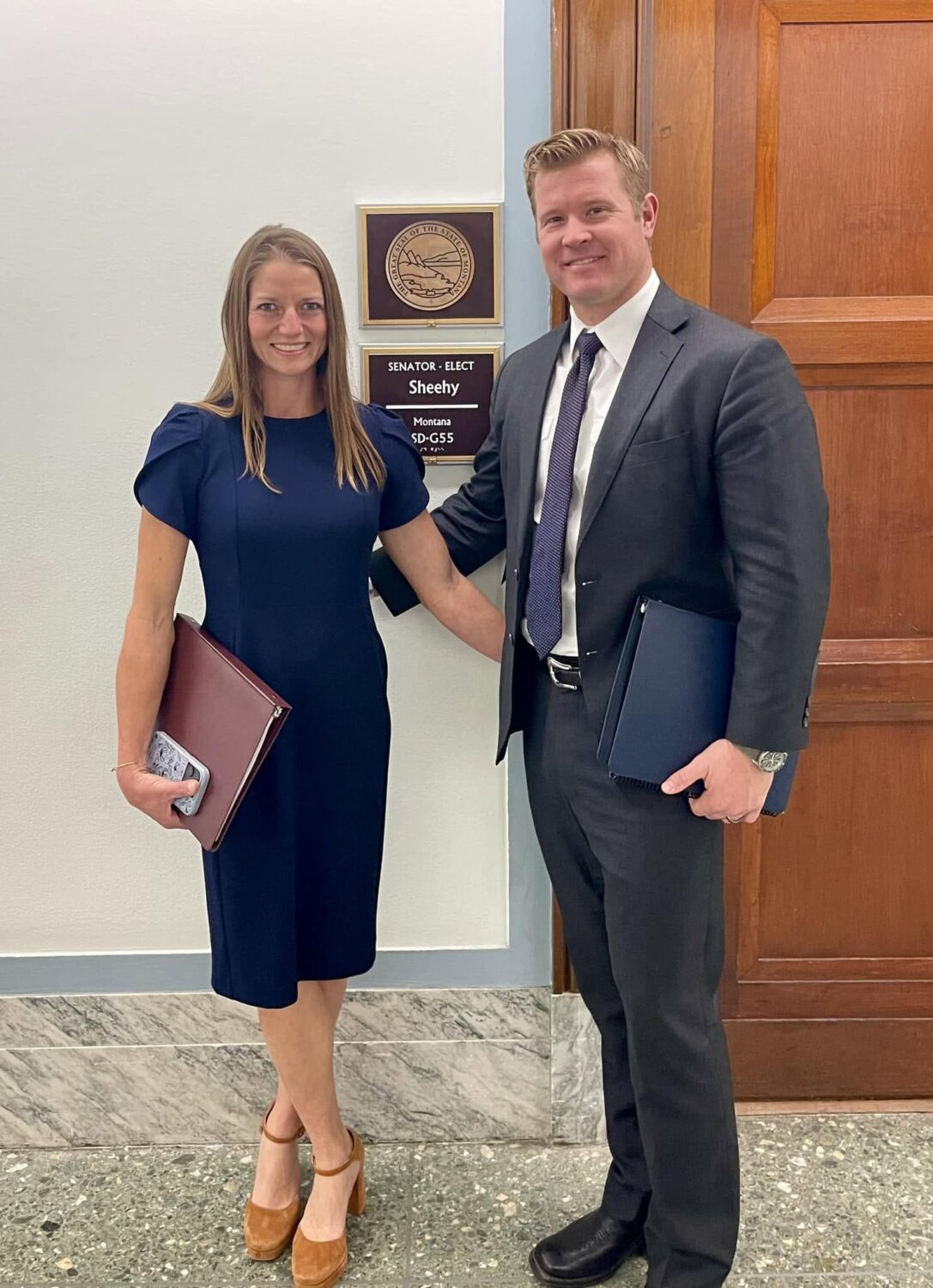
Sheehy began by describing the dignified transfer ceremonies held at Dover Air Force Base when fallen American service members return home.
“I participated in many of those ceremonies myself,” he said, recalling times when he helped carry friends from military aircraft. He then removed the bracelet and placed it on the lectern.
“One of those is on this bracelet,” Sheehy said. “He was cut in half by an Iranian EFP.”
An explosively formed penetrator, or EFP, is a particularly lethal roadside weapon designed to fire a metal projectile through armored vehicles. The U.S. government has long accused Iran and Iran-backed armed groups of supplying weapons, training and support used in attacks on American personnel in Iraq.
A media report identified the soldier commemorated on Sheehy’s bracelet as Army Capt. Benjamin Tiffner. Tiffner, 31, was killed in Baghdad on November 7, 2007, when his vehicle was struck by an improvised explosive device during a combat operation.
That moment gave Sheehy’s speech its emotional center. He was not speaking only as a senator defending Trump’s military policy. He was speaking as a veteran who had carried the consequences of war long before entering politics.
Sheehy’s official biography says he served as a Navy SEAL officer, deployed to Iraq and Afghanistan, and received decorations including the Bronze Star with Valor and the Purple Heart.
Sheehy builds a 47-year case against Iran
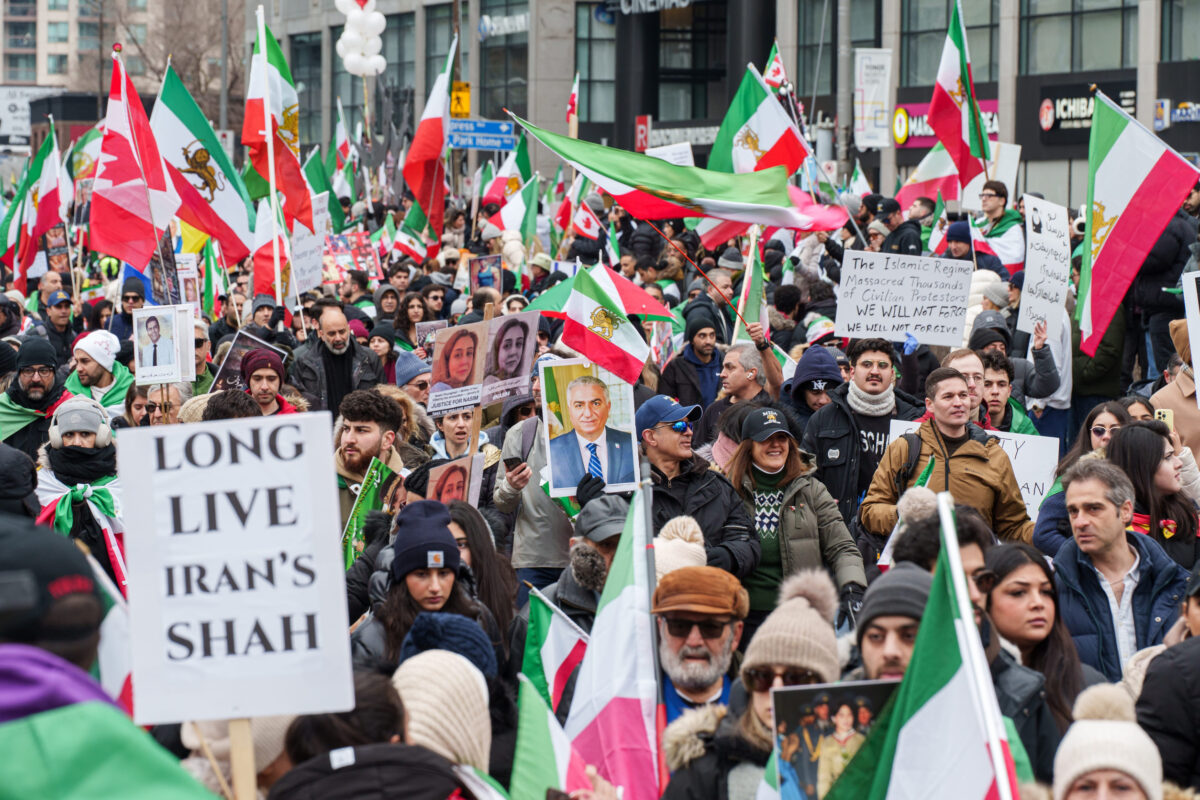
Sheehy traced the confrontation back to Iran’s 1979 revolution and the seizure of the U.S. Embassy in Tehran.
“This regime that we are fighting does not care about our partisan politics,” he said. “They’ve been doing it for 47 years.”
He accused Iran of supporting militant groups responsible for attacks on American troops, civilians and U.S. allies. He also argued that Trump was the first president willing to answer Iran’s actions with overwhelming force.
“Love Donald Trump or hate him,” Sheehy said, “there’s never been a single president who has stood up to Iran and hit back.”
That statement is political rhetoric rather than a precise description of history.
In 1988, President Ronald Reagan ordered Operation Praying Mantis after an American warship struck an Iranian mine. U.S. forces destroyed Iranian military platforms, sank two Iranian ships and badly damaged another. The Naval History and Heritage Command describes it as one of the largest U.S. Navy surface actions since World War II.
Some other examples Sheehy cited were also broader than the documented record supports.
He said the 1983 Beirut barracks bombing killed “280 Marines.” The official toll was 241 U.S. service members, including 220 Marines.
He also included the USS Cole bombing in his list of Iranian-linked violence. The FBI concluded that al-Qaeda planned and carried out the 2000 attack, which killed 17 American sailors.
The 1985 Achille Lauro hijacking was carried out by members of the Palestine Liberation Front and planned by Abu Abbas, according to the State Department’s historical records.
Those distinctions do not erase Iran’s documented support for Hezbollah, Hamas and several armed groups in Iraq. They do show why emotional speeches about decades of terrorism still require careful separation between direct Iranian actions, proxy activity and attacks carried out by unrelated organizations.
Congress remains divided over who controls the war
Sheehy’s speech came during a bitter constitutional dispute over the Iran conflict.
The Republican-led House voted 214-208 to direct Trump to halt military operations unless Congress approved them. Four Republicans joined Democrats. Hours later, the Senate voted 49-47 to block a similar measure. Republican Sen. Susan Collins supported the resolution, while Democratic Sen. John Fetterman opposed it.
Rep. Pramila Jayapal, who introduced the House resolution, called the issue bigger than party politics and argued that the war was unconstitutional. Supporters of the resolution pointed to troop deaths, civilian casualties and rising fuel costs.
Sheehy saw the debate differently. He argued that restricting the president would undermine American troops while they remained in danger.
“We did not start a war with the Iranian Revolutionary Guard,” he said. “They started it with us 47 years ago.”
The bracelet made that argument difficult to dismiss as ordinary political theater. Yet the speech also showed the danger of allowing grief, anger and historical memory to blur separate events into one uninterrupted story.
Sheehy’s central message was that Americans have absorbed attacks for too long. The argument now facing Congress is whether continued military action will finally end that cycle, or place another generation of names on bracelets worn by those left behind.