8 Disturbing Ways Social Media Is Poisoning American Relationships
A couple can sit on the same couch, under the same blanket, with the same Netflix show playing, and still be miles apart.
One person is half-watching the episode. The other is scrolling. A funny clip turns into a comment thread. A comment thread turns into an ex’s profile. An ex’s profile turns into a quiet mood shift. Nobody says anything yet, but the room has already changed.
That is modern love in America.
The phone is no longer just sitting beside the relationship. It is inside it. It is at dinner. It is in bed. It is in arguments. It is jealousy. It is in the way couples compare, flirt, fight, spy, perform, and sometimes slowly stop seeing each other.
That is why social media poisoning American relationships feels so painfully familiar. The apps can help couples stay connected, laugh together, share memories, and send each other ridiculous videos during the workday.
But they can also turn love into a scoreboard, a surveillance system, a comparison trap, and a place where private problems become public entertainment.
The scale is impossible to ignore, especially as social media use remains widespread across American life. When nearly every relationship has a phone in the middle of it, the damage does not always look dramatic. Sometimes it looks like two people sitting together while both feel alone.
It turns harmless scrolling into quiet neglect.

Every relationship has small moments that hold it together. A good morning kiss. A real conversation after work. Eye contact over dinner. A hand held in the car. A lazy Sunday talk that starts with nothing and somehow becomes everything. Social media eats those moments quietly.
A partner may not be cheating, lying, or trying to hurt anyone. They may simply keep choosing the phone. One scroll during dinner. One video in bed. One “wait, let me just reply to this.” One laughs at a screen while the person beside them feels invisible. That kind of neglect builds slowly.
The painful part is that the ignored partner can feel silly for being hurt. After all, it is “just a phone.” But the message still lands. The feed is more interesting. The notification is more urgent. The stranger online gets faster attention than the person in the room.
This is where resentment starts. Not with one big betrayal, but with a hundred tiny moments where someone feels second place to a screen.
It makes jealousy easier to trigger.
Jealousy used to need more effort. Now it can arrive with one tap.
A partner likes someone’s selfie. An ex watches a story. A coworker comments with too many emojis. A stranger keeps showing up in the likes. Someone follows a person who looks a little too familiar, a little too attractive, or a little too available. Suddenly, the relationship has a new problem.
The jealousy is not always irrational, either. Online behavior can blur lines fast. A like may mean nothing to one person, but feel deeply disrespectful to another. A harmless DM may look like the start of emotional cheating. A partner may insist it is innocent, while the other wonders why it had to be hidden.
This is not rare. Relationship data shows that some partnered adults have felt jealous or unsure about how their partner interacts with others online.
Social media does not invent insecurity. It gives insecurity endless material to work with.
It turns private pain into public content.
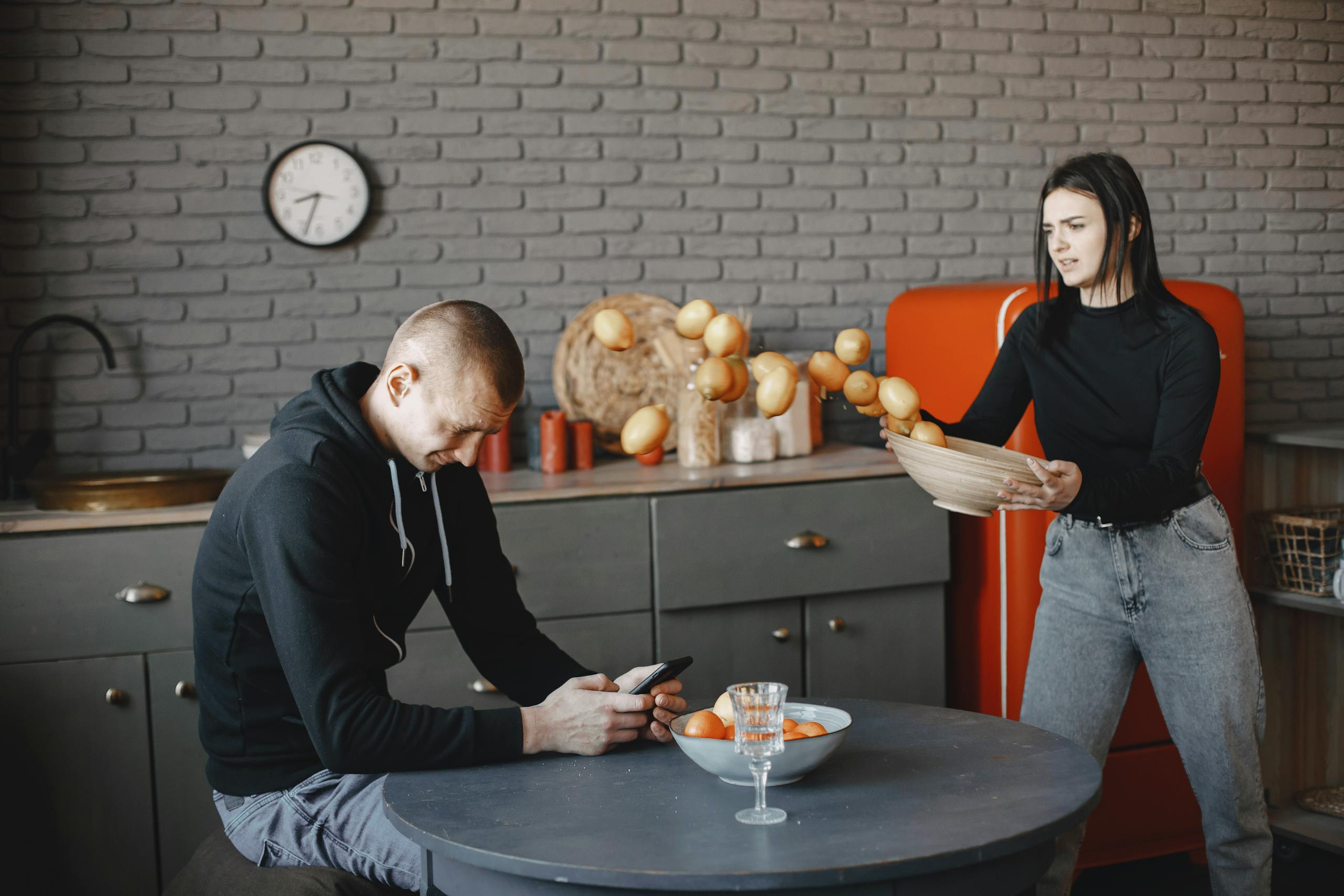
A relationship fight used to stay in the kitchen. Now it can become a TikTok storytime, a vague Instagram quote, a Facebook rant, or a “men are trash” post that everyone knows is about somebody specific.
That is dangerous. When people take private pain online, they often get instant validation. Friends comment. Strangers clap. The algorithm rewards drama. The person feels seen. But the relationship may become harder to repair because the conflict now has an audience.
A partner can forgive a hurtful argument. It is harder to forgive being humiliated online.
Oversharing also trains people to process conflict through spectators rather than through conversation. Instead of asking, “How do we fix this?” the question becomes, “Who agrees with me?”
That shift can poison trust. Nobody wants to feel like every mistake might become content. Nobody wants to date someone who turns the relationship into a public courtroom.
Love needs privacy to heal. Social media keeps inviting witnesses.
It makes comparison feel normal.
A couple can be happy until the feed tells them otherwise.
Someone else’s husband planned a surprise trip. Someone else’s wife looks flawless after having a baby. Someone else’s boyfriend built a business. Someone else’s girlfriend cooks elaborate meals in a spotless kitchen.
Someone else’s anniversary post reads like it was written by a romance novelist with a ring light. Then ordinary love starts looking weak.
That is one of the ugliest ways social media poisons relationships. It makes normal couples compare their real life to someone else’s edited performance. Dirty dishes, tired faces, budget stress, parenting fights, and quiet routines look embarrassing next to curated romance.
But most healthy relationships are not cinematic every day.
They are grocery runs, unpaid bills, bad moods, inside jokes, sick days, shared chores, boring errands, forgiveness, and trying again after a hard conversation. Social media rarely rewards that kind of love because ordinary loyalty does not always photograph well.
Comparison can make people overlook the good relationships they already have because they don’t look like someone else’s highlight reel.
It makes phubbing feel normal.

Phubbing sounds like a silly word, but the damage is real.
It happens when someone ignores the person they are with because they are focused on their phone. It is the partner scrolling through the dinner menu. The spouse is checking comments during a serious talk. The date glancing at notifications every two minutes. The person saying “I’m listening” while clearly not listening.
Over time, phubbing can make a relationship feel emotionally cold.
Recent research has connected partner phubbing and relationship satisfaction, especially among young adults navigating attachment anxiety and conflict. Other research has also explored how phone-focused behavior can affect the quality of romantic relationships.
The real issue is not one quick phone check. Life happens. Messages matter. Work can be urgent.
The issue is the pattern. If one partner keeps reaching for the phone when the relationship needs attention, the other partner may stop asking to be heard. That is when distance becomes dangerous.
A relationship can survive boredom. It struggles to survive constant emotional absence.
It turns dating into a marketplace.
Dating apps and social platforms have made romance feel endless. There is always another profile, another DM, another story reply, another “just talking” situation, another person who might be more exciting than the one currently texting back.
That illusion of endless options changes how people treat each other.
Some become less patient. Some leave at the first awkward moment. Some keep backup conversations alive because commitment feels risky. Others struggle to enjoy a real connection because the internet keeps whispering that someone better might be one swipe away. This makes people feel disposable.
A date can go well and still disappear. A conversation can feel intimate and still end without warning. Someone can be emotionally available one day and gone the next because the digital world makes it feel easy to replace people.
That is not just frustrating. It trains people to protect themselves. They expect ghosting. They expect mixed signals. They expect emotional whiplash.
When dating starts feeling like shopping, people stop feeling fully human.
It fuels emotional affairs in plain sight.

Social media makes emotional cheating easier to hide because it often starts small. A like. A reply. A private joke. A “you looked good today.” A late-night DM. A conversation that feels harmless until it becomes the part of the day someone looks forward to most.
This is where the danger grows.
The partner may tell themselves that nothing physical happened. They may say it is just conversation. They may insist they are allowed to have friends. All of that can be true, and the connection can still cross a line.
Emotional affairs often begin where secrecy and intimacy meet.
If someone is deleting messages, hiding notifications, sharing personal feelings with someone they would not want their partner to know about, or getting emotional needs met outside the relationship while neglecting the person at home, the problem is already bigger than “just social media.”
The app does not cause the betrayal on its own. It simply makes access easy, private, constant, and tempting.
It makes loneliness worse in relationships.
One of the saddest things social media can do is make someone feel lonely beside the person they love.
The couple may still live together. They may still eat together, sleep beside each other, share bills, raise children, and appear happy online. But emotionally, one or both may feel unseen.
Social media can deepen that loneliness by offering shallow connections all day while replacing deeper connections at home. People get likes, replies, comments, and messages, but fewer honest conversations. They feel noticed by many and truly known by few.
That matters in a country where many adults already report feelings of emotional disconnection. The problem is not only romantic. It is cultural. People are more reachable than ever, but many feel harder to reach.
Young people are especially vulnerable to this emotional pattern, as public health guidance has warned about youth mental health concerns linked to social media use. Relationship habits formed early can follow people into dating, marriage, and family life.
A relationship does not only need contact. It needs presence.
The phone can keep people connected to the world while slowly disconnecting them from the person across the room.
Conclusion

Social media did not ruin love on its own. People still cheat, compare, ignore, overshare, and avoid hard conversations without apps. But social media makes it all faster, easier, louder, and harder to escape.
It gives jealousy more evidence. It gives temptation more access. It gives conflict an audience. It gives a comparison at a stage. It gives distraction a permanent seat at the table.
That is why social media poisoning American relationships is not just a dramatic headline. It is what happens when couples keep letting the feed take up space that should belong to trust, privacy, patience, and presence.
The strongest relationships will not be the ones that look perfect online.
They will be the ones where two people still know how to put the phone down, look at each other, and choose the real person in the room.